
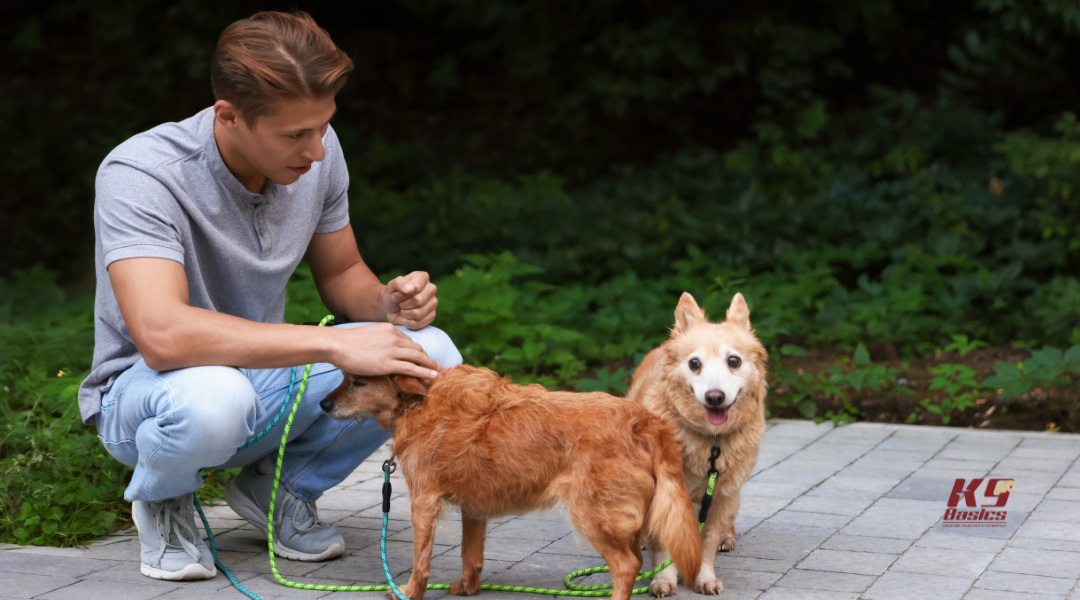
A reactive dog does not respond only to their surroundings. They also respond to the person holding the leash. Long before a bark, lunge, or freeze happens, dogs are reading subtle changes in posture, breathing, and tension. When a handler feels anxious or stressed, those signals are often clearer to the dog than the approaching trigger itself.
For reactive dogs, this shared tension can raise arousal levels and shorten the window for learning. What feels like quiet worry to a human can feel like a warning to a dog. Understanding how your emotional state affects your dog is not about blame. It is about recognizing one of the most powerful tools you already have.
By learning to manage your own nervous system, you create the training conditions your dog needs to settle, process information, and make better choices.
Your Emotional State Matters More Than You Think
A handler’s emotional state plays a significant role in how a reactive dog experiences the world. Dogs are not only responding to external triggers but also to the internal state of the person guiding them. Stress, anxiety, or anticipation of a reaction can raise a dog’s arousal level before a situation even unfolds.
For reactive dogs, this added emotional input can reduce their ability to stay regulated and process information. When a handler is calm and steady, the dog is more likely to feel safe and to respond appropriately.
Dogs Read Human Stress and Anxiety
Dogs are highly attuned to human body language and movement. Subtle changes in posture, muscle tension, breathing patterns, and facial expression communicate information to a dog long before words do.
In addition to visual cues, dogs can detect changes in scent associated with stress and anxiety. These olfactory signals can alert a dog that something is wrong, even if the environment appears calm. Over time, dogs learn to associate these cues with potential threats or challenges, which can increase vigilance and tension.
Handler Stress Amplifies Reactive Behavior
When a handler feels anxious, dogs often interpret that tension as a sign that the environment is unsafe. This perception can raise arousal levels and shorten the dog’s ability to remain calm or responsive.
Handler stress can also affect timing and consistency during training or walks. Hesitation, overcorrection, or rushed responses may confuse the dog, leading to increased reactivity rather than improvement.
Reactive Dogs Escalate Faster Around Anxious Handlers
Reactive dogs are already operating closer to their threshold. When paired with an anxious handler, they may escalate more quickly and recover more slowly.
The combination of heightened awareness and shared tension makes it harder for these dogs to disengage from triggers. Calm, regulated handling helps slow this escalation and creates space for the dog to make better choices.
The Signals Dogs Pick Up Before Reactivity Appears
Reactivity rarely comes out of nowhere. Long before a dog barks, lunges, or shuts down, they are gathering information from their handler. These early signals shape how a dog assesses safety and decides how to respond to the environment.
Dogs notice changes in movement, tension, and energy immediately. When these signals suggest uncertainty or stress, a reactive dog may prepare for action even if no obvious trigger is present. Understanding what dogs read before reactivity appears helps handlers interrupt the cycle earlier.
Body Language Cues That Communicate Tension
Small changes in body language can signal stress to a dog. Tight shoulders, a stiff grip on the leash, shallow breathing, and sudden stops or starts all communicate unease. Even subtle shifts in posture can alert a dog that something feels off.
Reactive dogs are especially sensitive to these cues. They often interpret tension as a warning and respond by scanning the environment more intensely. This heightened vigilance can increase the likelihood of reactive behavior before a trigger is fully visible.
How Dogs Detect Stress Through Scent
Dogs also detect stress through scent. Changes in human stress levels produce chemical signals that dogs can smell. These cues provide information that is not visible and cannot be consciously controlled by the handler.
When a dog consistently associates stress-related scents with challenging situations, they may begin to react earlier and more intensely. Learning to regulate stress helps reduce these signals, allowing the dog to remain calmer and more receptive during training and everyday interactions.
Calm Handlers Create More Regulated Dogs
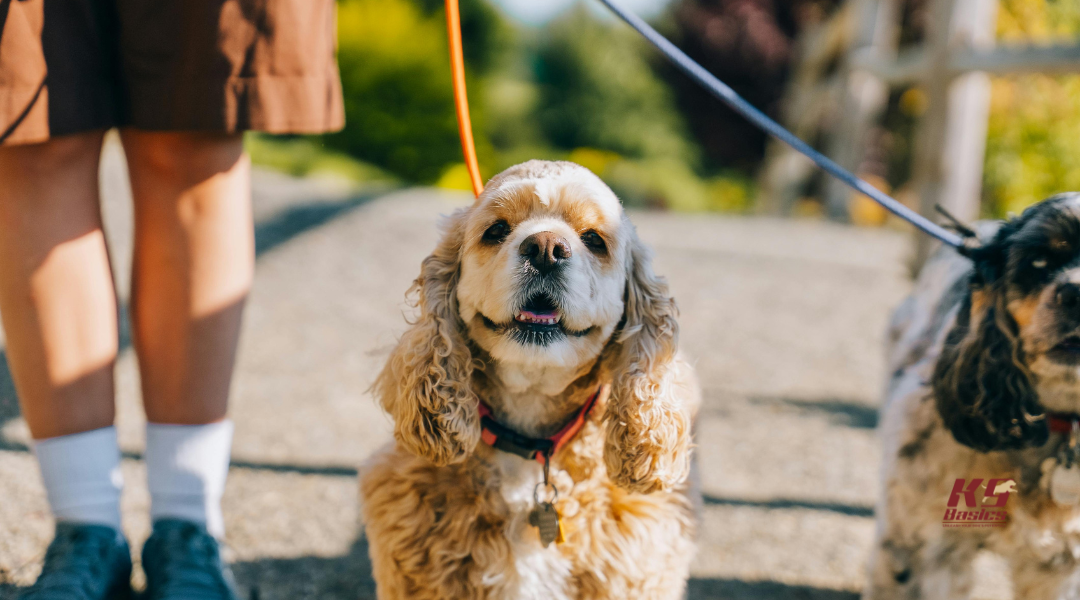
Dogs look to their handler for information about safety and stability. When a handler remains calm, steady, and predictable, it helps lower a dog’s overall arousal level. This is especially important for reactive dogs who are already more sensitive to changes in their environment.
Calm handling supports regulation by slowing interactions down and giving the dog time to process what is happening. A relaxed posture, even breathing, and consistent responses help the dog feel supported rather than pressured. Over time, this creates a pattern where the dog learns that staying calm leads to clearer communication and better outcomes.
Practical Ways to Regulate Yourself Before Working With a Reactive Dog
Preparing yourself before a walk or training session can make a noticeable difference in how your dog responds. Taking a moment to slow your breathing, soften your posture, and set realistic expectations helps reduce leash tension.
Simple habits such as pausing before leaving the house, avoiding rushing, and mentally focusing on calm, neutral handling can lower stress for both you and your dog. If you notice stress building during a session, it is often more effective to pause, reset, or shorten the interaction rather than pushing through.
Regulating yourself first creates a more stable foundation for your dog to learn and remain engaged.
Consistency Helps Reactive Dogs Feel Safer
Consistency gives reactive dogs predictability, which supports emotional safety. When handlers respond in familiar, steady ways, dogs are better able to anticipate what will happen next.
This does not mean every session must be perfect. It means maintaining similar routines, cues, and responses even when progress feels slow. Consistent, calm handling helps reactive dogs settle faster, recover more easily, and build trust over time.
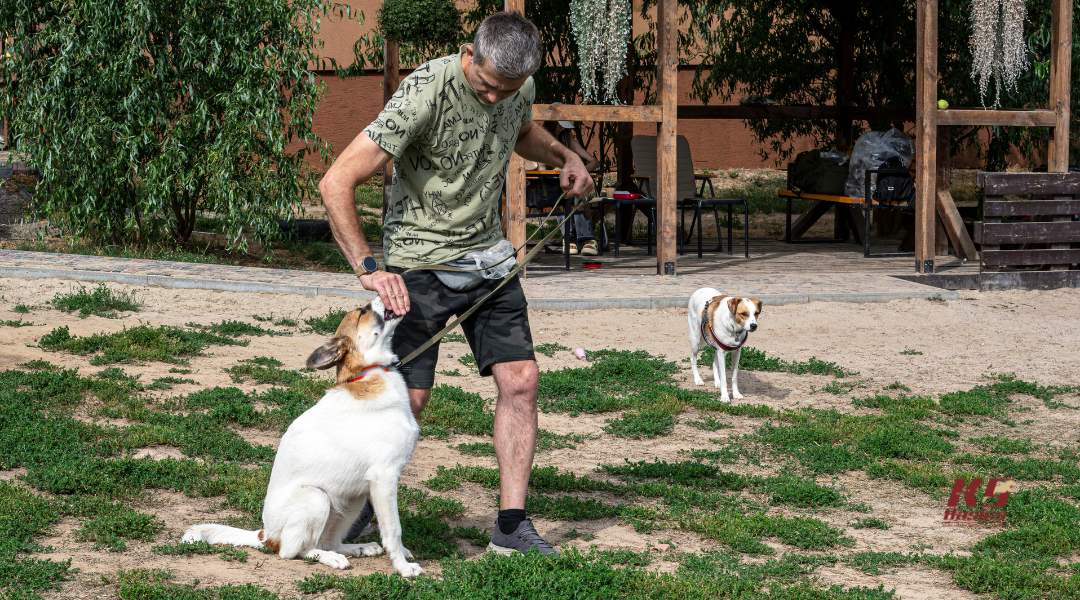
When to Get Support From the K9 Basics Training Team
Some reactive dogs and handlers reach a point where progress stalls despite consistent effort. When stress continues to rise, reactions escalate, or confidence drops on both ends of the leash, additional guidance can be helpful.
At K9 Basics, we work with reactive dogs by addressing the full picture, including behavior, handling, timing, and emotional regulation. Support is not about correcting mistakes. It is about providing structure, clarity, and calm guidance so both dog and handler can move forward safely and effectively.
Seeking help early can prevent patterns from becoming more ingrained and reduce frustration for everyone involved.
How Professional Guidance Helps Both Dog and Handler
Professional guidance creates consistency and removes guesswork. The K9 Basics team evaluates how a dog responds to stress and how the handler’s emotional state and handling style influence those responses.
Training focuses on helping dogs remain regulated around triggers while teaching handlers how to move, breathe, and respond in ways that support calm behavior. Clear instructions, controlled environments, and thoughtful progression allow learning to happen without overwhelming either side.
By supporting both ends of the leash, professional training helps reactive dogs feel safer and helps handlers regain confidence. With the right structure, reactivity becomes something that can be managed and improved rather than something that controls daily life.
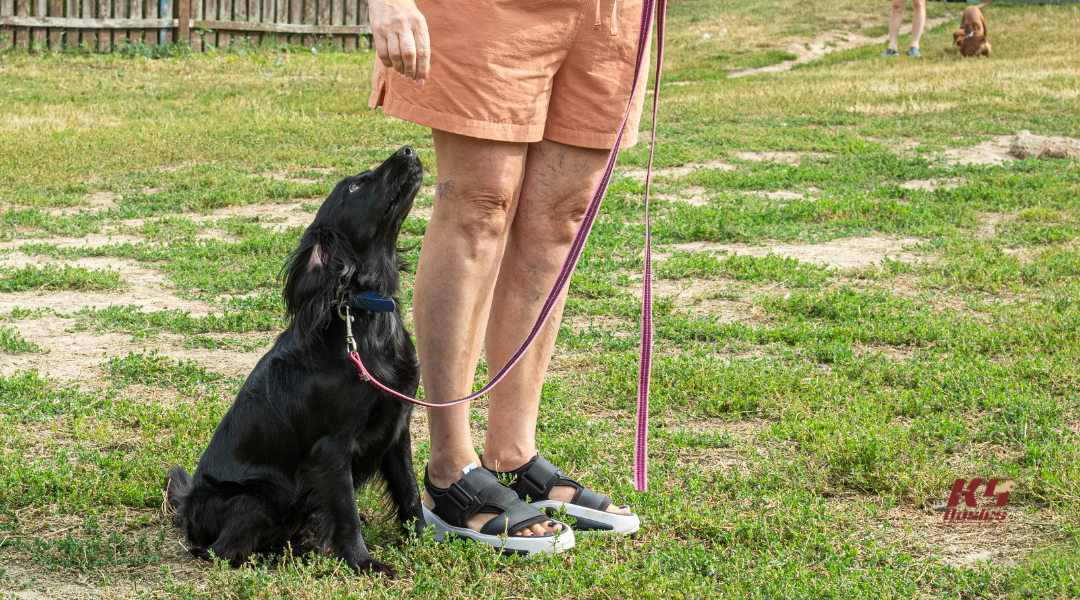
Build Calm, Confident Handling Skills With the K9 Basics Team!
Call us at (866) 592-2742 or, if you’re from New Jersey, Pennsylvania, Delaware, or New York, visit us at 131 Kennilworth Road, Marlton, NJ 08053, to learn more about our group training classes.
Also, browse our blog and social media for various topics about dogs and their lives with us!