Help your dog stay calm during post-walk paw drying and coat care with step-by-step desensitization techniques designed for rainy autumn weather routines.
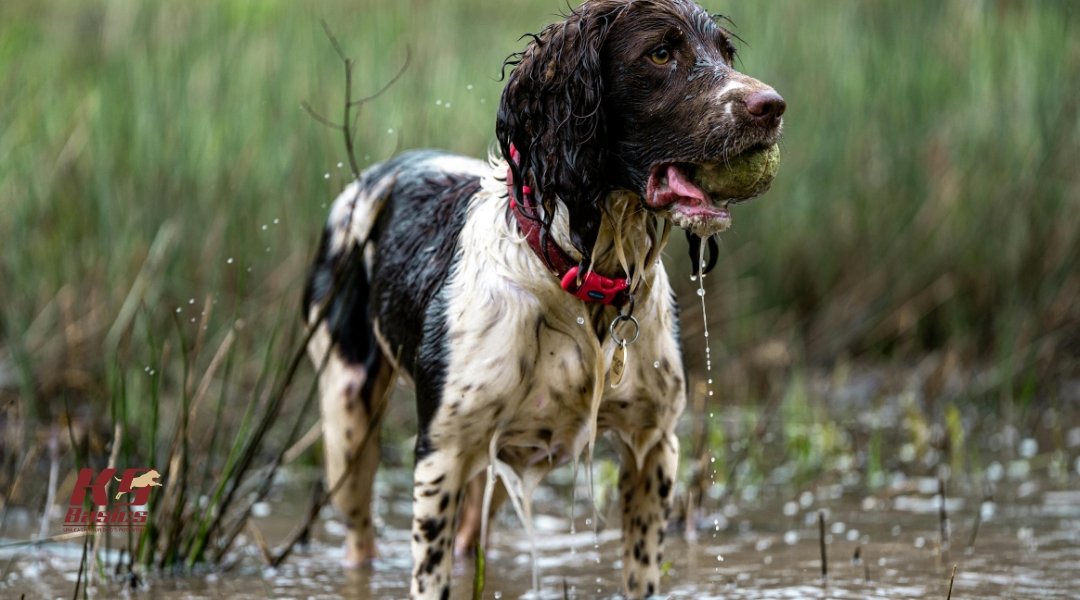

Help your dog stay calm during post-walk paw drying and coat care with step-by-step desensitization techniques designed for rainy autumn weather routines.

Protect your dog from toxic mushrooms, choking-hazard acorns, and other fall trail dangers by building a reliable “Leave It” command for outdoor walks.

Find out why cooler autumn air triggers higher energy in dogs and learn structured impulse control games to channel excitement into calm, focused behavior.

Learn how to prepare your dog for the back-to-school schedule shift with strategies for building alone-time independence and a calm morning routine.
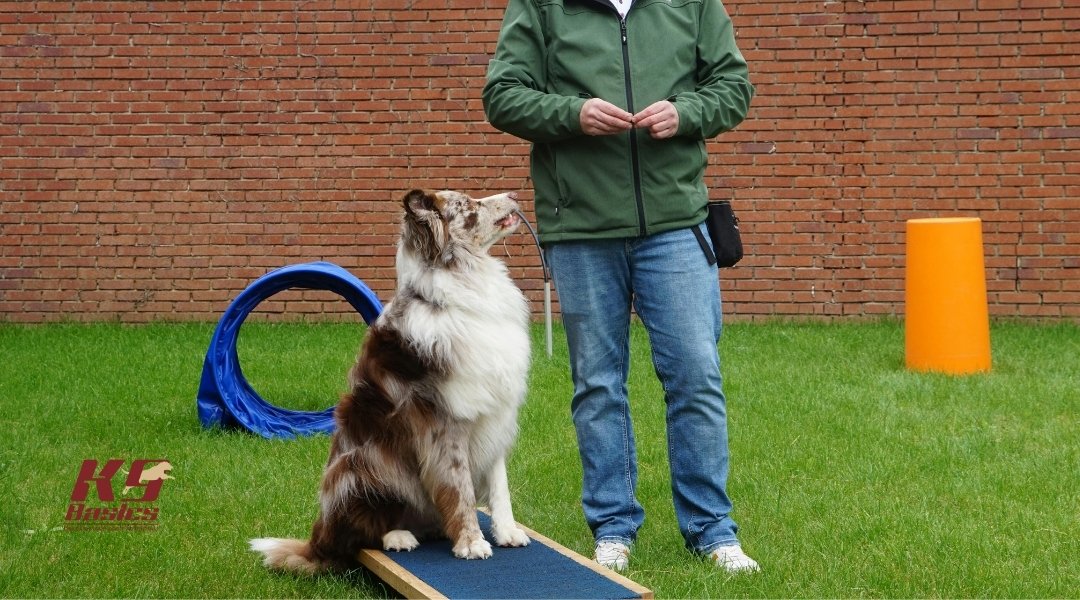
Your reviews can help fellow pet parents find safe, trustworthy, and effective dog training. Learn what makes a review truly valuable and how your experience can protect the pet community.

Your puppy knows the basics, walks nicely, and follows commands, so are you finally done training? Discover why the teenage phase changes your dog’s behavior and how shifting from puppy lessons to real-world practice can build a reliable, well-behaved adult dog.
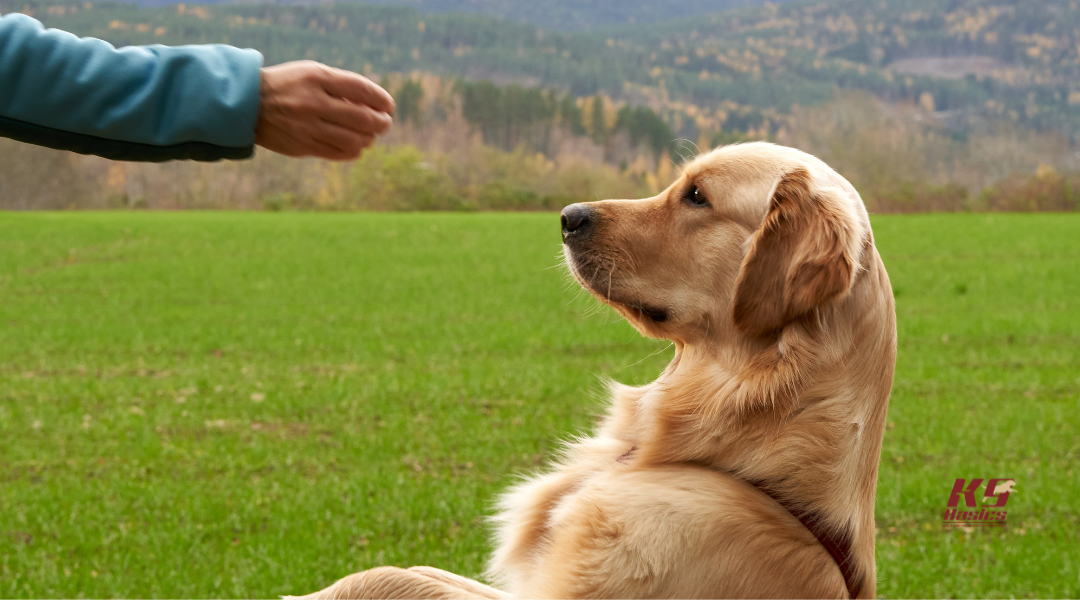
Smart collars, treat dispensers, cameras, and automated toys may make dog ownership more convenient, but they cannot replace hands-on training. Learn why direct engagement, clear communication, and the leash in your hand remain some of the most valuable tools for building a focused, confident, and responsive dog.
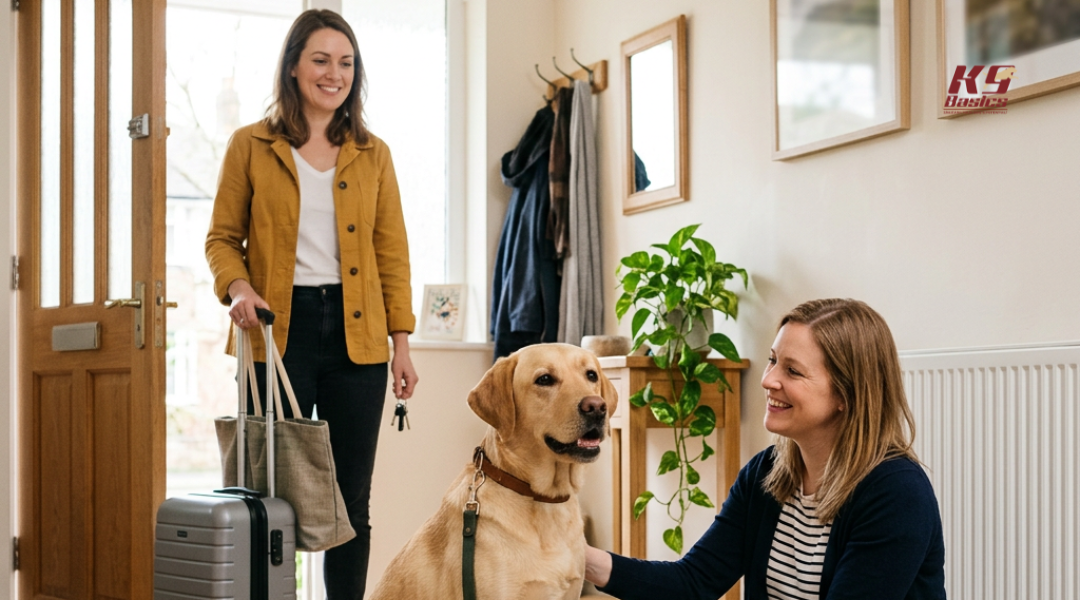
Planning a vacation? Address dog behavior problems, crate training, housebreaking, and separation anxiety before boarding or hiring a sitter.
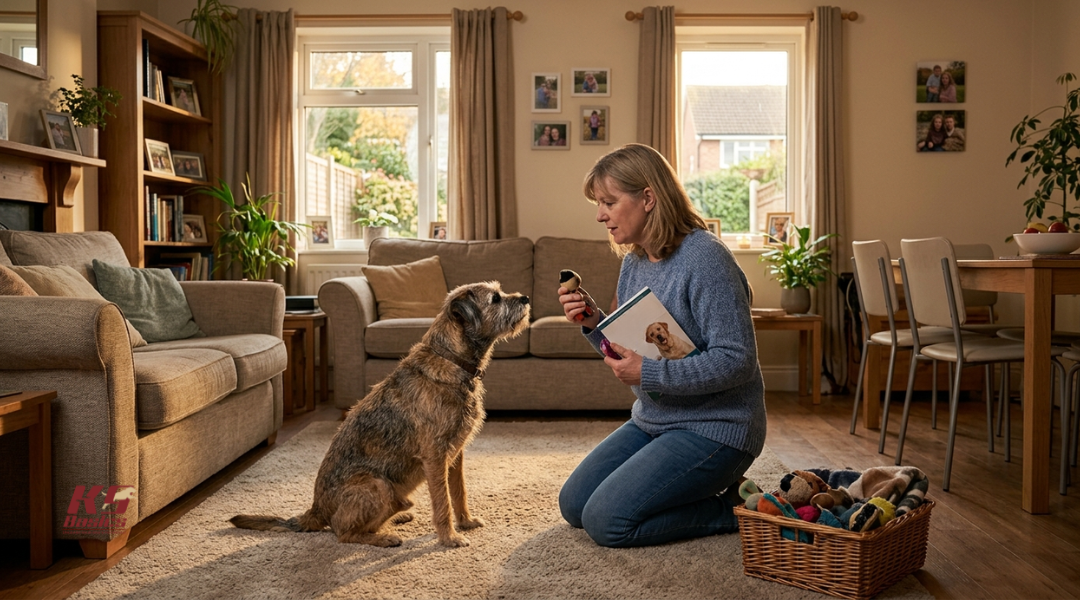
Think older dogs can’t learn? Think again. Discover the science behind training adult and senior dogs, how canine brains continue to learn throughout life, and practical ways to keep your dog mentally engaged and confident.
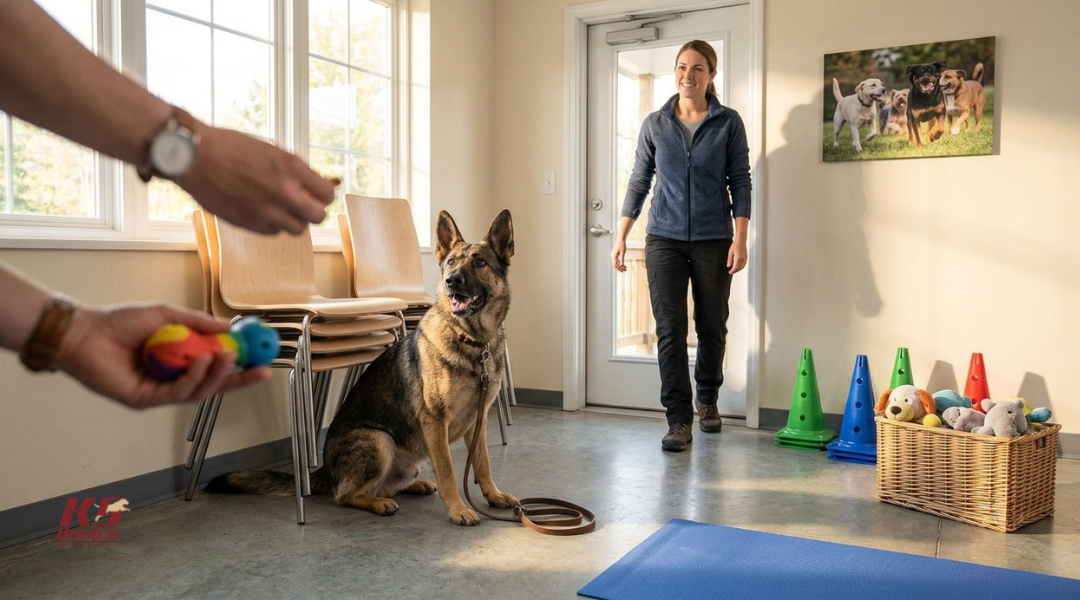
The outdated “alpha dog” theory has given way to modern dog training built on trust, communication, and consistency. Learn why positive reinforcement, clear boundaries, and confident leadership create stronger relationships and more reliable behavior.