
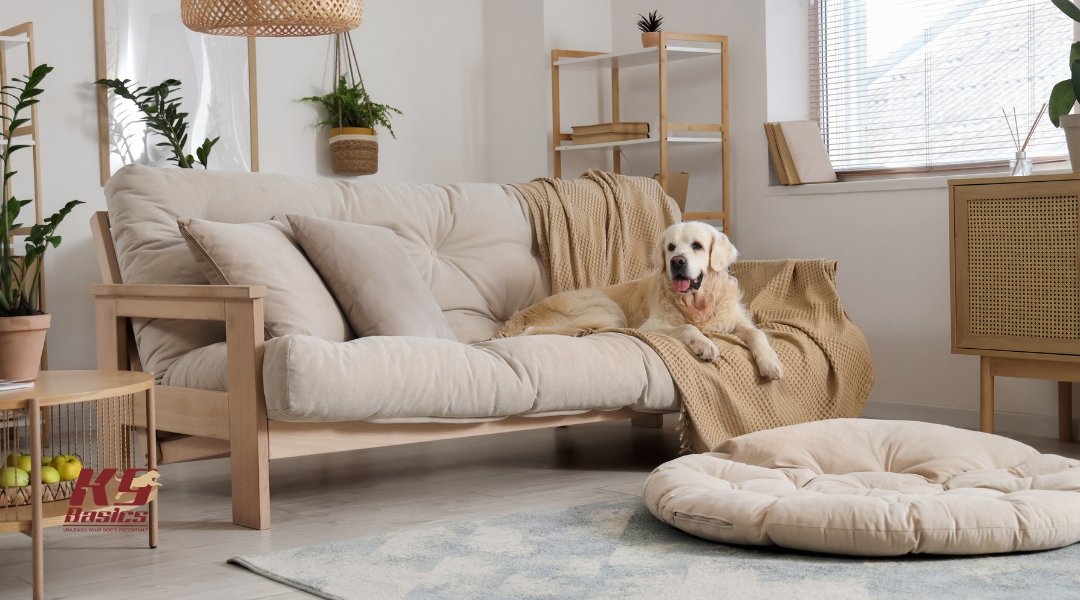
Summer brings constant movement, open backdoors, and family around at all hours. For dogs, this season is the absolute best time of the year. But as September nears, the household rhythm shifts fast. Mornings get rushed, backpacks get packed, and the home goes from an active hub to hours of total silence.
This sudden drop in household activity can leave dogs feeling confused, restless, or anxious. Taking simple steps in the weeks leading up to the school year helps ease this transition and protect your dog’s emotional well-being.
What You Will Learn
- How to build your dog’s tolerance for alone time step by step before full school days start.
- A clear morning routine that encourages calm behavior during school drop-offs.
- Key differences between simple adjustment stress and clinical separation anxiety.
- Quick answers to common questions about managing back-to-school schedule changes.
Building Alone-Time Independence Early
The biggest mistake dog owners make is waiting until the first day of school to leave the dog alone for six to eight hours. Going from non-stop attention to a long period alone can shock a dog’s system. This often leads to chewing, barking, or distress.
To prevent this, start rebuilding independence while family members are still home.
1. Practice Planned Departures
Start leaving the house for short periods without making a big deal out of it.
Step outside for ten minutes to grab the mail, work in the yard, or take a quick walk around the block.
Slowly build this time up from fifteen minutes to an hour, then to a few hours over two weeks.
2. Try “Together Alone” Time
Independence does not only happen when you leave the house.
Encourage your dog to rest in a different room while you work, cook, or relax.
Use baby gates, closed doors, or crate boundaries to set physical distance while you are still inside.
3. Rotate Interactive Toys
Save high-value puzzle toys, lick mats, or stuffed chew toys for quiet times only.
Giving your dog a fun task during your absence creates a positive association with your absence.
Establishing a Predictable Morning Schedule
Dogs do best with predictable routines. When morning activities are chaotic, dogs absorb that stress. This raises their anxiety right before you walk out the door. Setting a set pattern three weeks before school starts gives your dog clear expectations.
Recommended Morning Flow
| Step | Activity | Duration | Primary Purpose |
| 1. Exercise | Brisk Walk & Sniffing | 20–30 mins | Tires the body and focuses the mind through sniffing. |
| 2. Rest & Meal | Cool-Down & Breakfast | 10–15 mins | Prevents stomach upset and encourages natural drowsiness. |
| 3. Settling | Crate or Mat Rest | Departure prep | Keeps your dog calm and out of the morning rush. |
Step 1: Physical Activity First
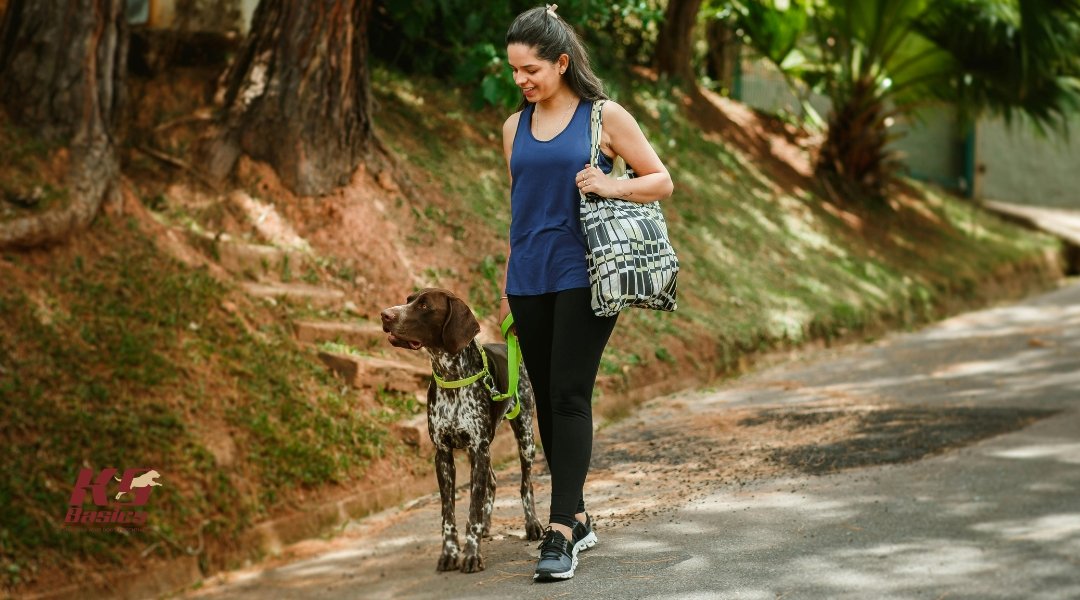
Wake up early enough to give your dog a brisk 20- to 30-minute walk. The goal is physical exercise and mental focus through sniffing. A dog that burns off physical energy is much more likely to sleep during the morning hours.
Step 2: Cool Down and Mealtime
After the walk, give your dog 10 to 15 minutes to cool down and drink water before eating. Feeding right after heavy exercise can cause stomach upset. Eating a full meal also helps your dog feel sleepy and settle down.
Step 3: Crate or Mat Settling
Before the final rush of packing lunches and finding shoes begins, move your dog to their set rest area, such as a crate, playpen, or bed. Give them a long-lasting chew toy. This keeps your dog out of the middle of morning chaos and teaches them to connect departure time with calm rest.
Spotting Adjustment Stress vs. Separation Anxiety
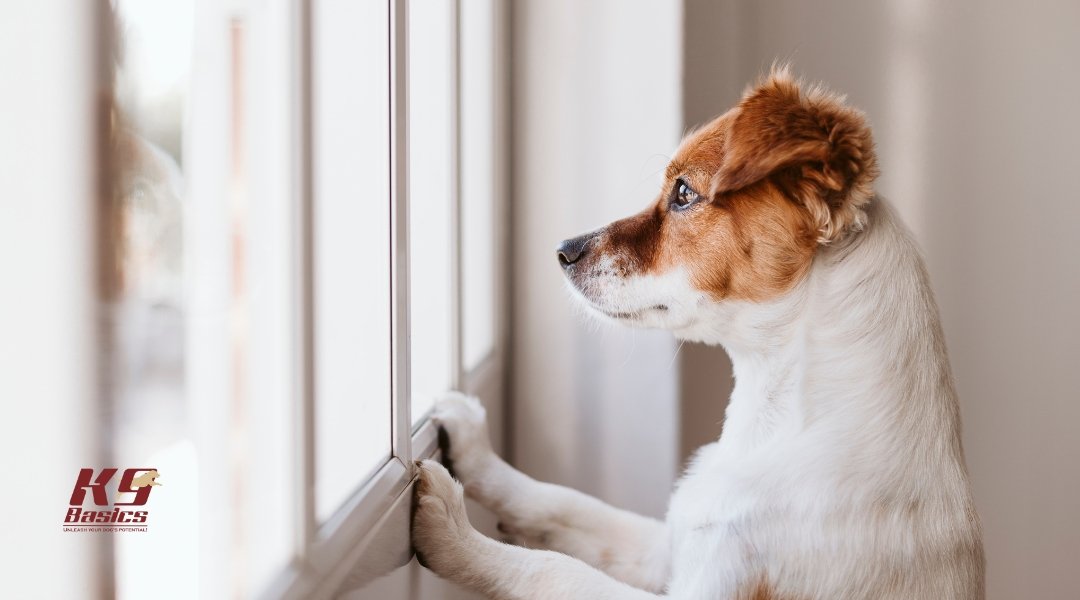
It is common for dogs to act out when a fun summer comes to an end. However, you must know the difference between simple stress and true separation anxiety, because real anxiety needs professional training help.
| Behavioral Signal | Mild Adjustment Stress | Clinical Separation Anxiety |
| When It Happens | Off and on, usually when bored. | Right after you leave or while you get ready. |
| Barking / Whining | Barking or whining that stops after a few minutes. | Constant, high-pitched crying or howling. |
| Chewing / Damage | Chewing reachable items like shoes or paper. | Chewing door frames, window sills, or walls. |
| Physical Signs | Normal drool levels and normal appetite. | Heavy drooling, panting, pacing, or self-injury. |
| Eating Habits | Eats treats while left alone. | Refuses high-value treats while left alone. |
If your dog shows signs of real separation anxiety, forcing long periods of alone time can make the problem worse. Work with a professional dog trainer or an expert behavior specialist to build a gentle training plan.
Frequently Asked Questions
Q: How far ahead should I start changing my dog’s schedule before school starts?
A: Start two to three weeks before the first day of school. This gives you enough time to slowly shift feeding schedules, walk times, and alone time without stressing your dog.
Q: Should I say goodbye to my dog before leaving the house?
A: Keep leaving and coming home totally low-key. Emotional, long goodbyes raise your dog’s stress level and signal that leaving is a huge event. Simply walk out quietly without fuss.
Q: Is it better to crate my dog or give them free run of the house?
A: It depends on your dog’s history and comfort level. If your dog is already crate-trained and views the crate as a safe den, it prevents destructive chewing and provides comfort. If your dog panics inside a crate, confinement increases distress, so a dog-proofed room or playpen is a safer choice.
Q: Will getting another pet help my dog’s post-summer distress?
A: No. Separation distress comes from wanting human company, not a lack of other animals. Bringing a second pet home during a major schedule shift adds extra stress rather than fixing the issue.
Need Help Preparing Your Dog for Back-to-School?
Don’t wait until separation anxiety sets in!
Call us at (866) 457-3815 or, if you’re from New Jersey, Pennsylvania, Delaware, or New York, visit us at 131 Kennilworth Road, Marlton, NJ 08053, to learn more about our group training classes.
Also, browse our blog and social media for a variety of topics about dogs and their lives with us!