
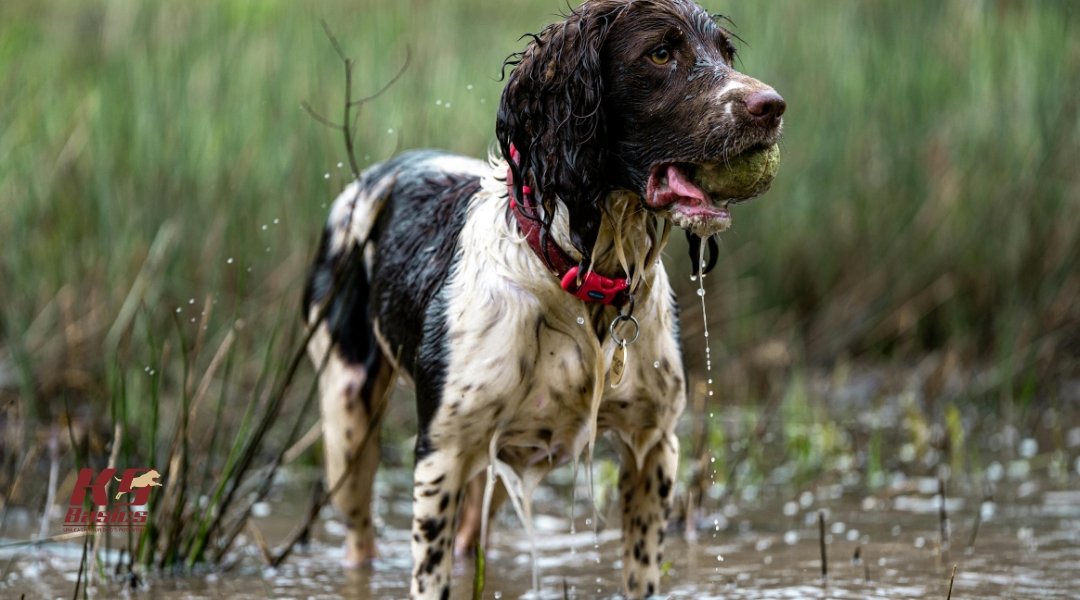
September rain turns neighborhood walks into damp, muddy adventures. But for many dog owners, coming back inside triggers a stressful front-door wrestling match. You end up chasing paws, dodging towel nips, and wiping mud off your hallway walls.
When dogs fight paw wiping, it is rarely out of stubbornness. Dog paws are very sensitive, and holding a dog down can feel scary to them.
Teaching cooperative care turns post-walk wiping into a calm, predictable routine. It protects your floors and keeps your dog feeling safe.
What You Will Learn
- How to get your dog comfortable with touch and towels without using force.
- How to set up an organized, stress-free entryway wiping station.
- How to use high-value rewards to build positive habits.
- Quick answers to common rainy-day care questions.
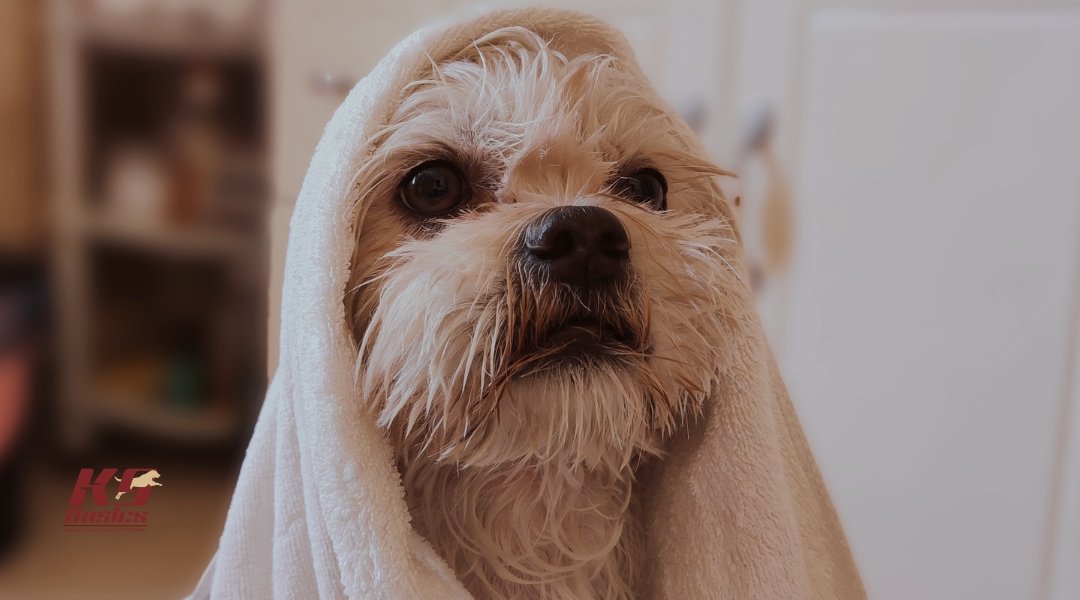
Step-by-Step: Getting Your Dog Used to Towels
Forcing your dog to hold still while you grip their feet creates negative feelings toward the towel. Over time, just picking up a cloth can cause growling, running away, or biting.
You can reverse this reaction by breaking the process down into tiny, easy steps.
Step 1: Pair the Towel with Good Things
Before touching your dog with a towel, help them build a positive connection with it. Lay a dry towel on the floor during mealtime, or feed your dog special treats while holding a folded towel on your lap. Your dog should learn that seeing a towel means good things are coming.
Step 2: Slide Down from Less Sensitive Areas
Dogs often dislike people reaching straight for their feet. Instead of grabbing a paw, place your hand gently on your dog’s shoulder or hip. Slowly slide your hand down toward the ankle. If your dog stays relaxed, say a reward word like “Yes!”, give them a treat, and repeat.
Step 3: Introduce Towel Contact Lightly
Drape a soft microfiber towel over your hand and repeat the sliding motion down the leg. Touch the top of the paw briefly without lifting the foot or squeezing the toes. Reward your dog right away for staying calm.
Step 4: Lift the Paw and Start Wiping
Gently lift the paw an inch off the floor, supporting the leg from underneath instead of squeezing the toes. Wrap the towel softly around the paw for two seconds, give a treat, and set the foot down. Slowly wipe for longer periods as your dog stays relaxed.
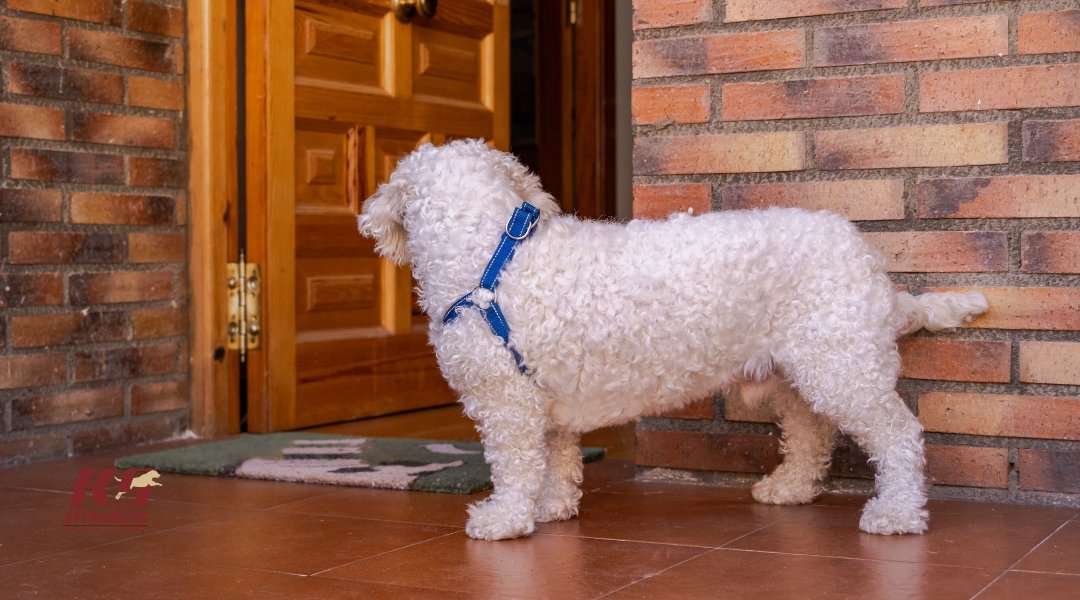
Set Up an Entryway Transition Station
A messy doorway creates high energy. Setting up a specific space right inside your front door builds clear rules before your dog steps onto your rugs or furniture.
| Station Component | Purpose | Recommended Setup |
| Mat or Rug | Marks the quiet waiting area. | Washable, non-slip mat right inside the door. |
| Lick Mat or Treat Station | Keeps your dog busy while wiping. | Peanut butter or wet food smeared on a wall pad. |
| Pre-Positioned Gear | Keeps supplies within easy reach. | Towels and pet-safe wipes stored in a basket. |
| Leash Anchor Point | Stops your dog from running into the house. | Wall hook or heavy furniture leg to hold the leash. |
The Entryway Routine
- Step inside and direct your dog to sit or lie down on the mat.
- Secure the leash to your anchor point or hold it under your foot so your dog cannot run off.
- Offer a lick mat or treat dispenser to keep your dog’s head focused forward.
- Wipe the front legs, back legs, and belly while your dog enjoys the treat.
- Unclip the leash and release your dog into the house with a clear phrase like “All done!”
Building Long-Term Success
Cooperative care works best when you give your dog a sense of control. When dogs realize they can ask for a quick break, they become much easier to handle.
Use High-Value Rewards
Normal kibble or dry biscuits usually are not exciting enough to distract from wet paws. Save special rewards exclusively for towel time, such as squeeze-tube cheese, soft chicken, or wet food.
The Pause-and-Check-In Method
While wiping, pause every five seconds and lift your hands away. Watch your dog’s body language:
- Green Light (Relaxed): Loose body, soft eyes, staying in place. Keep wiping gently.
- Yellow Light (Uncertain): Shifting weight, licking lips, looking at your hand. Pause, lower your effort, and give a treat.
- Red Light (Stressed): Pulling the paw away, stiffening, growling. Stop right away, take a step back in training, and try an easier step.
Frequently Asked Questions
Q: What should I do if my dog bites or mouths the towel?
A: Mouthing usually means your dog thinks the towel is a toy or wants you to stop. Give your dog an acceptable item to hold, like a rubber chew toy, or use a wall-mounted lick pad to keep their mouth busy.
Q: How can I clean muddy paws if my dog hates water?
A: Avoid forcing your dog into a bathtub or spraying their feet with a hose. Instead, use a warm, wet washcloth at your entry station. You can also let the dried mud fall onto the mat naturally, then gently brush it out with a soft brush once it’s dry.
Q: Is it safe to use human baby wipes on dog paws?
A: No. Human wipes contain ingredients, fragrances, and chemicals that can upset a dog’s stomach when the dog licks its paws. Always use pet-safe wipes made specifically for dogs.
Q: My dog pulls away every time I touch their feet. How do I fix this?
A: Do not grip the leg harder when your dog pulls back. Simply let go, wait three seconds, and restart higher up on the leg, such as the shoulder or knee, where your dog feels safe being touched.
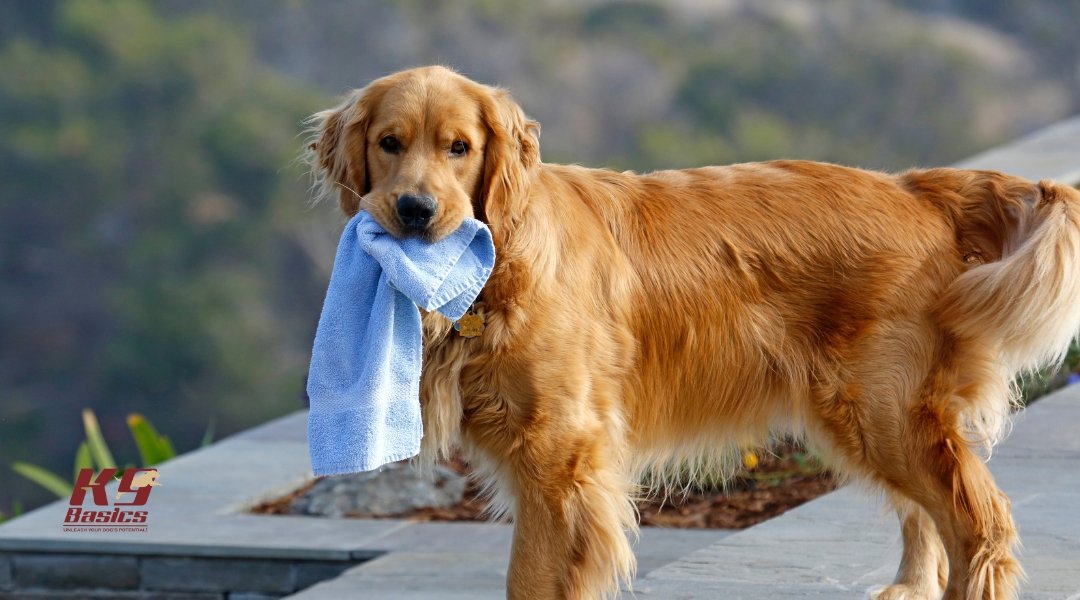
Enjoy Calmer Mornings and Cleaner Floors!
Post-walk cleanup does not have to be a daily battle during rainy months. By teaching the paw touch step by step, building a front-door routine, and rewarding your dog, you can turn an annoying chore into a calm bonding experience.
Need hands-on help with your dog’s handling manners or daily routines? The professional trainers at K9 Basics offer tailored training programs to help you build a calmer, more confident dog.
Call us at (866) 457-3815 or, if you’re from New Jersey, Pennsylvania, Delaware, or New York, visit us at 131 Kennilworth Road, Marlton, NJ 08053, to learn more about our group training classes.
Also, browse our blog and social media for a variety of topics about dogs and their lives with us!