
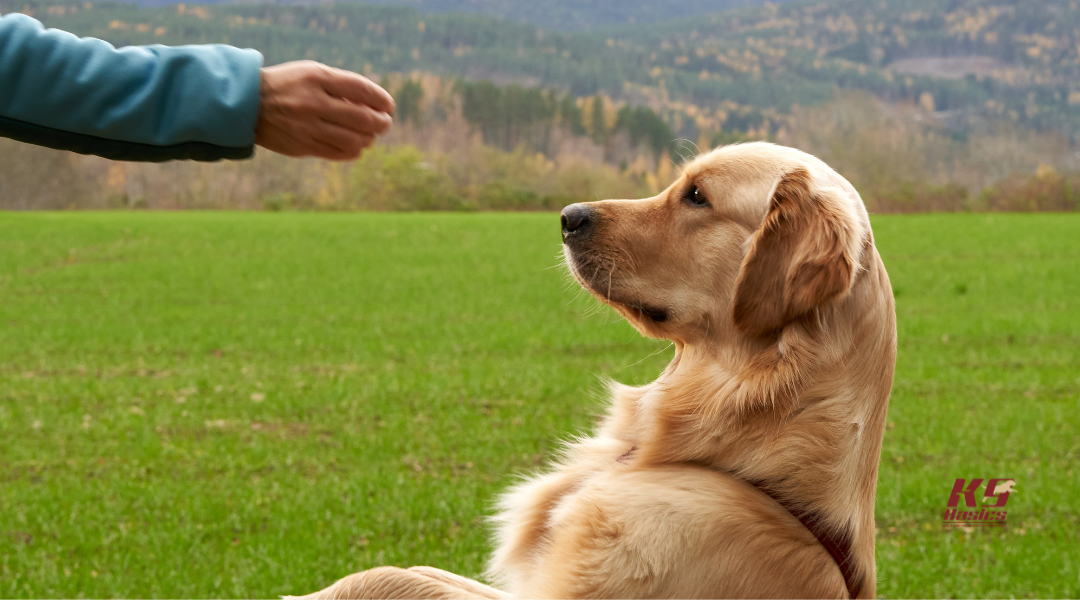
The pet technology industry has grown rapidly over the last decade. A quick look at social media shows smart collars, app-connected cameras, automatic ball launchers, and Wi-Fi treat dispensers. These devices promise to simplify pet ownership. They offer sleek designs and convenience, leading many well-meaning owners to believe that modern technology can solve complex behavior problems.
However, relying on devices to manage a dog’s daily life often leads to passive ownership. When automated gadgets replace direct human interaction, dogs frequently become anxious, easily distracted, and emotionally detached from their handlers.
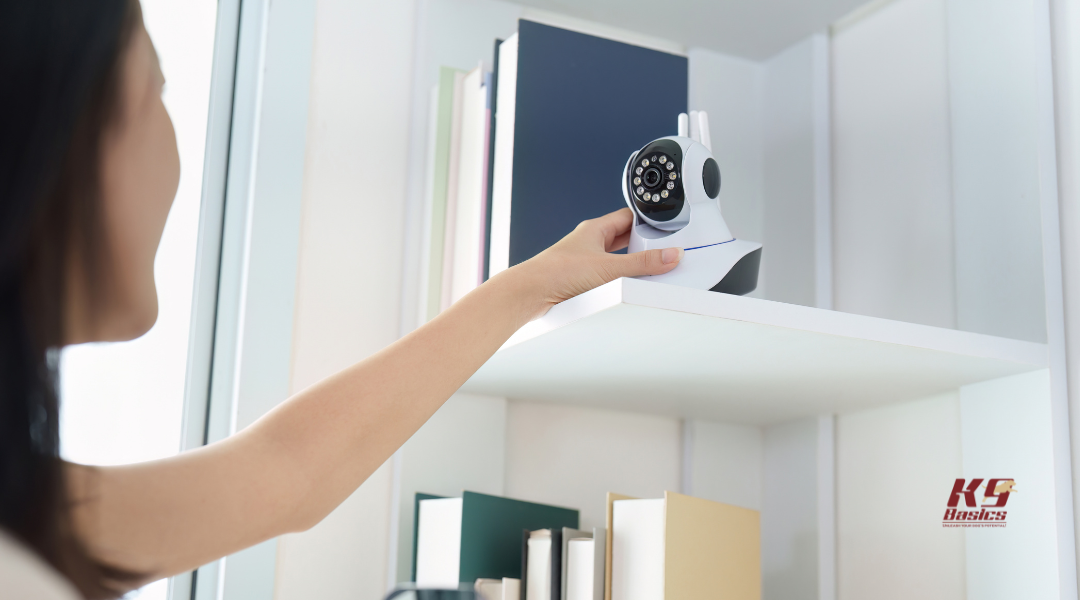
The Rise of Passive Ownership
Passive ownership happens when tech replaces relationship building, physical presence, and active guidance. It is easy to see why this trend has caught on: busy work schedules, long commutes, and daily chores make automated solutions appealing.
- The Remote Treat Solution: Owners attempt to manage separation anxiety or boredom by dispensing treats through smartphone apps while at work.
- Automated Exercise: Automatic ball throwers or lasers run continuously to exhaust energetic dogs without human involvement.
- Digital Corrections: Vibration or tone collars trigger remotely without clear context or proper coaching.
While these tools may keep a dog busy temporarily, they do nothing to address the root causes of behavior issues like insecurity or a lack of self-control. Worse, they shift the dog’s focus away from the human. The dog learns that rewards, excitement, and direction come from plastic gadgets rather than from their owner.
What Technology Misses: Body Language and Context
Smart devices operate on fixed algorithms and basic sensor triggers, but dog behavior is dynamic and depends heavily on context. A Wi-Fi camera can detect motion or noise and toss a treat when a dog barks, but it cannot evaluate why the dog is barking in that moment.
The Warning Signals Tech Can’t See
A dog displays subtle signs of stress long before reacting, biting, or panicking. These minor signs include:
- Slight Weight Shifts: A dog leaning forward onto their front paws to charge or retreat.
- Hardened Gaze: Tightness around the muzzle, fixed eye contact, or enlarged pupils indicating rising arousal.
- Lip Licking and Yawning: Small behaviors that signal internal conflict or stress.
- Ear Posture Changes: Ears pinned back tightly or held forward in an intense state.
No smart camera or collar sensor can read these delicate shifts in real time.
The Problem with Mis-Timed Rewards
Automated treat dispensers frequently reward the wrong state of mind. For example, if a dog stands at a window, tense and growling at a passing delivery truck, tossing a treat through an app to distract them actually reinforces that high tension. The dog views the treat as a reward for fixating and guarding, increasing their internal stress rather than promoting a calm mind.
The Missing Element of Human Leadership
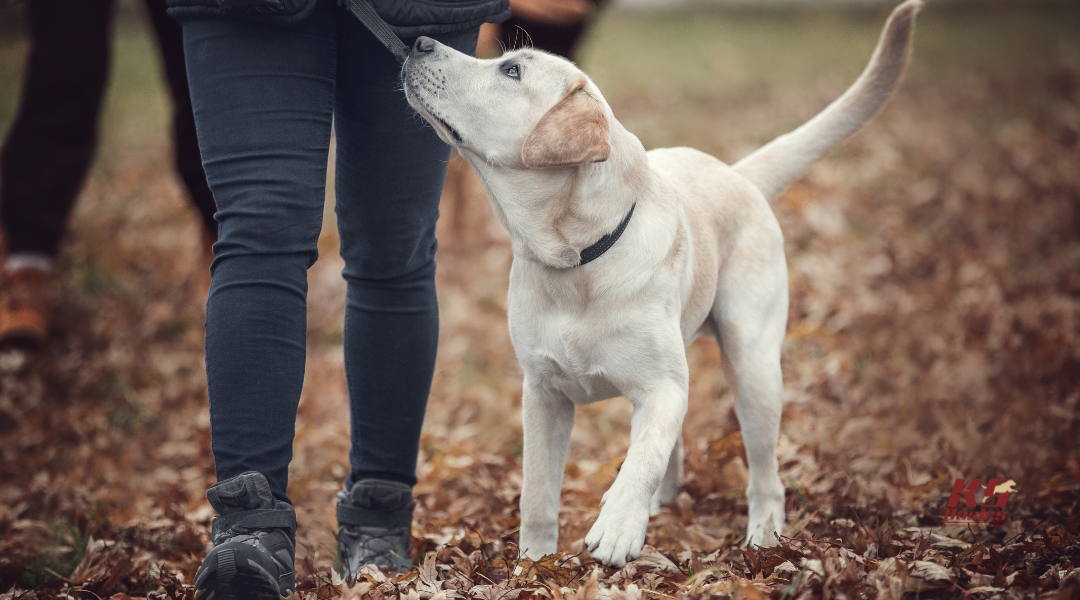
Dogs are social pack animals that rely on clear, physical leadership for security. True confidence does not come from receiving random treats from a machine. It comes from knowing a capable handler is in control of the environment. A device dispensing food cannot build trust, respect, or true engagement between a dog and their owner.
Balancing Tech with Hands-On Training
Technology has a valid place in modern pet care when used strictly as a helper tool rather than a substitute for active leadership.
| Technology/Tool | Proper Secondary Use | Improper / Harmful Use |
| GPS Trackers | Emergency safety net to locate lost or escaped dogs. | Replacing secure fencing or proper recall training. |
| Monitoring Cameras | Passive observation to assess separation distress levels. | Interruption, remote shouting, or random treat tossing. |
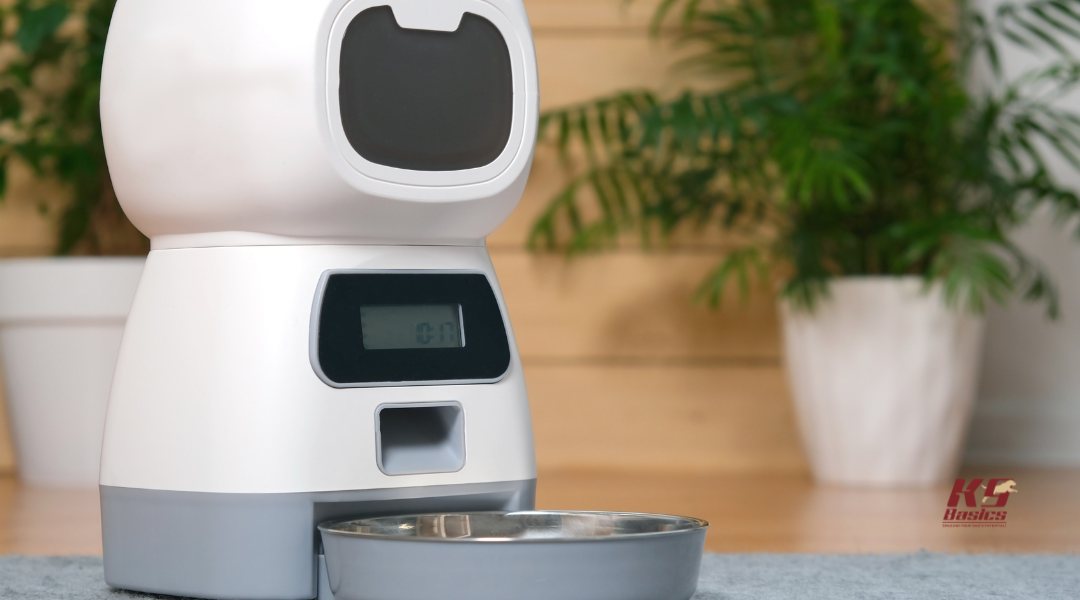
| Automated Feeders | Portion control and scheduled meals for convenience. | Replacing hand-feeding, engagement games, and daily manners practice. |
To build a reliable, responsive, and balanced dog, active hands-on training must remain the main foundation.
1. Physical Engagement and Spatial Awareness
Using your movement, hands, voice, and physical posture creates clear communication. Guiding your dog with body language or rewarding them directly from your hand teaches them to look to you for direction. This physical connection creates clarity that no remote button can match.
2. Eye Contact and Focus Building
Training your dog to check in with you voluntarily creates an active partnership. When your dog encounters a distraction, such as another dog, a squirrel, or a passing bike, a solid foundation prompts them to turn to you for guidance rather than reacting impulsively.
3. Structured Play
Interactive games like tug, structured fetch, or flirt pole work (where you set the rules, start the game, and decide when it ends) build motivation and focus directed toward you. Unlike an automated ball launcher, structured play teaches self-control and emotional balance during high excitement.
Re-Establishing the Handler-Dog Bond
If your training routine relies too much on tech devices, rebuilding your bond requires a simple shift back to basic human-dog interactions:
- Ditch the Automated Devices for One Week: Turn off automated toys and remote treat dispensers. Every piece of food, reward, or play opportunity should come directly from your hands during structured interaction.
- Implement a Hand-Feeding Routine: Use your dog’s daily food during short 5-minute training sessions throughout the day to work on focus, heel positioning, and self-control.
- Prioritize Walk Engagement: Turn off your phone during walks. Pay close attention to your dog’s body language, reward voluntary eye contact, and use physical movement to guide them smoothly through distractions.
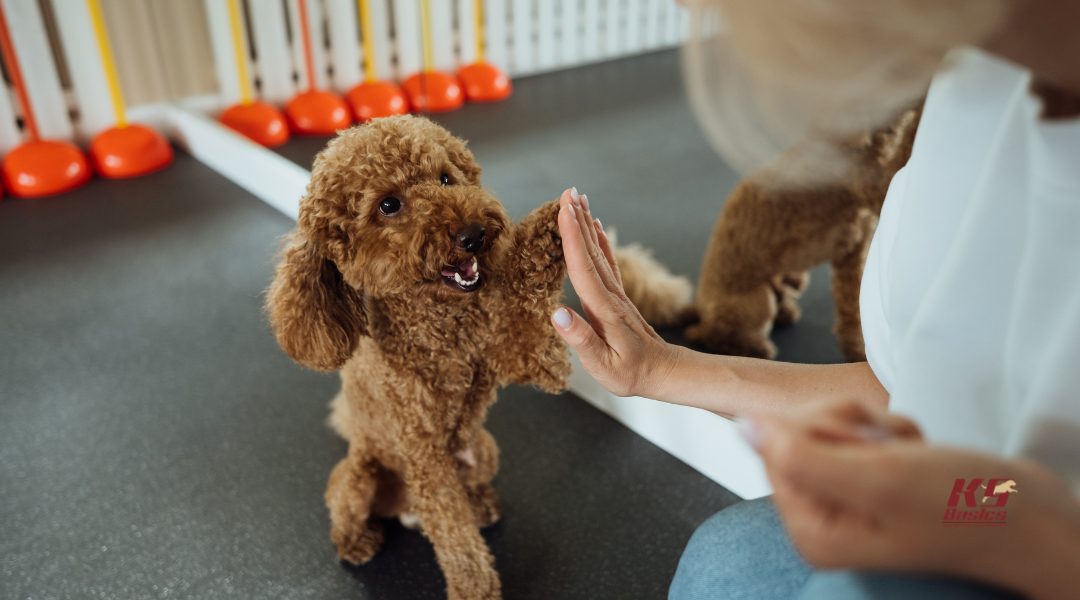
While gadgets and smart devices offer convenience and safety monitoring, they should never form the core of your dog training routine. Real, lasting obedience comes from mutual trust, clear boundaries, and direct communication. Keep technology in its proper place as a secondary support tool, and prioritize the hands-on engagement that truly strengthens the lifelong bond between you and your dog.
Call us at (866) 457-3815 or, if you’re from New Jersey, Pennsylvania, Delaware, or New York, visit us at 131 Kennilworth Road, Marlton, NJ 08053, to learn more about our group training classes.
Also, browse our blog and social media for various topics about dogs and their lives with us!