
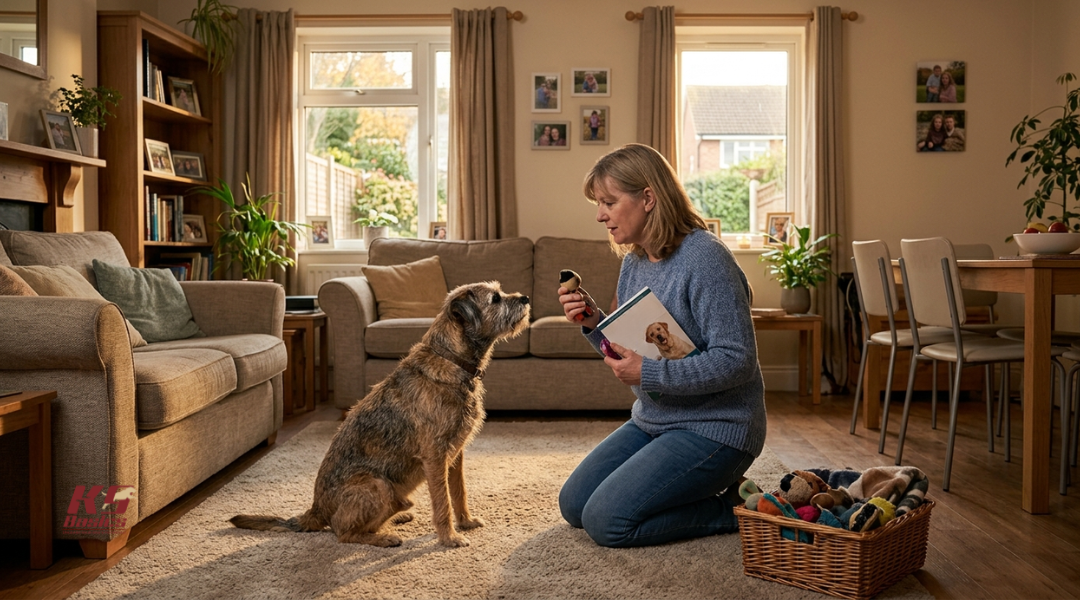
Many owners assume that once a dog reaches adulthood or enters their senior years, learning new behaviors becomes difficult or even impossible.
The reality is very different.
Dogs retain the ability to learn throughout their lives.
That said, training older dogs often requires a different approach than training puppies. Factors such as physical limitations, changes in hearing or vision, and shifting energy levels can all influence how a dog learns and responds.
Understanding these changes allows owners to adapt their training methods and set their dogs up for success.
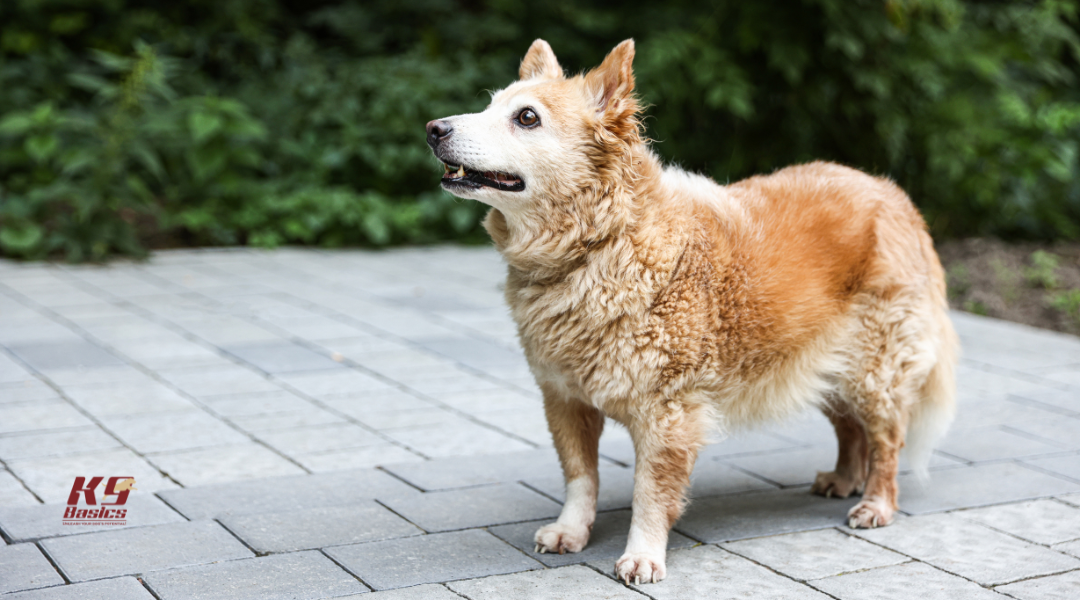
Can You Teach an Old Dog New Tricks?
The phrase “you can’t teach an old dog new tricks” has been around for generations, but new research on canine behavior tells a different story.
Dogs are capable of learning throughout their lives, regardless of age. While puppies may absorb new information quickly, adult and senior dogs can still learn new skills, modify existing behaviors, and adapt to new environments when training is approached appropriately.
Older dogs already have a foundation of life experience that can actually make training easier. They may have better impulse control, longer attention spans, and a stronger bond with their owners than younger dogs.
Understanding Canine Neuroplasticity
One of the reasons dogs can continue learning throughout their lives is a concept known as neuroplasticity.
Neuroplasticity refers to the brain’s ability to create new neural pathways and adapt based on new experiences. Just as humans can learn new skills as adults, dogs can continue forming new associations and behaviors well into their senior years.
Every time a dog practices a new command, learns a new routine, or successfully responds to a cue, the brain strengthens the neural pathways that support that behavior.
Consistent training and positive experiences help reinforce these pathways over time, making learning possible at virtually any age.
At K9 Basics, our team has worked with many adult and senior dogs who have successfully learned new skills, improved obedience, and overcome behavioral challenges through patient, consistent training.
What is “Stubborn” Behavior?
When an older dog doesn’t respond to training, many owners assume the dog is simply being stubborn. However, what appears to be stubbornness is often something entirely different.
Dogs do not typically ignore their owners out of spite or defiance. More often, there is an underlying reason why the dog is struggling to respond.
Physical Challenges in Adult and Senior Dogs
As dogs age, physical changes can affect how they interact with the world around them.
Conditions such as arthritis, hip dysplasia, joint discomfort, declining vision, or hearing loss can make certain behaviors more difficult to perform. For example, a senior dog that hesitates to sit may not be ignoring a command; they may be experiencing discomfort when moving into that position.
Similarly, a dog with hearing loss may not respond reliably to verbal cues, while a dog with reduced vision may become less confident in unfamiliar environments.
Understanding these physical limitations is an important part of creating a successful training plan and ensuring expectations remain realistic.
Adapting Training to Your Dog’s Needs
Effective training takes the individual dog into account.
For older dogs, this may mean making small adjustments to keep training comfortable and rewarding. Hand signals can be used alongside verbal cues for dogs with hearing loss, while shorter training sessions may help dogs with lower energy levels stay engaged.
Exercises may also need to be modified to accommodate physical limitations. Rather than focusing on repetitive movements that place strain on the joints, trainers can emphasize behaviors that build confidence, engagement, and communication without causing discomfort.
At K9 Basics, we believe training should meet dogs where they are. By adapting techniques to suit each dog’s age, physical condition, and learning style, owners can continue helping their dogs succeed no matter how old they are.
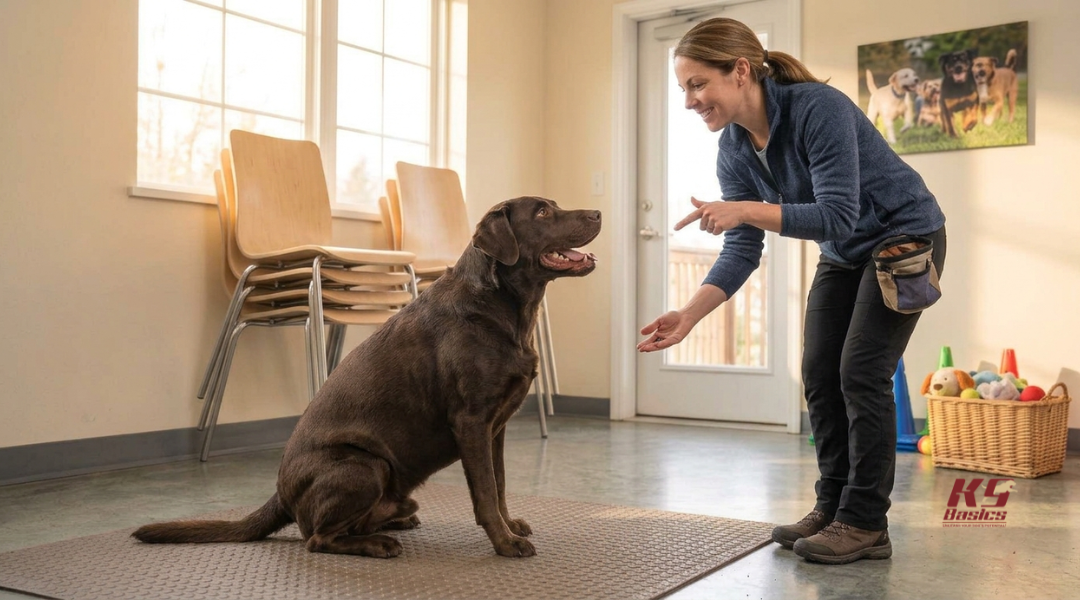
How to Successfully Train an Older Dog
Training an older dog often requires a slightly different approach than training a puppy, but the principles of successful learning remain the same. Adult and senior dogs benefit from clear expectations, consistency, and positive experiences that help them understand what is being asked of them.
Rather than focusing on how quickly a dog learns, owners should focus on creating an environment where learning feels rewarding and achievable. Small, consistent training sessions can often produce better long-term results than lengthy, intensive training periods.
Keeping Training Sessions Short and Positive
Older dogs may not have the same energy levels or physical stamina they once did. Long training sessions can become tiring, leading to frustration for both the dog and the owner.
Short, focused sessions are often far more effective. A few minutes of training several times throughout the day can help keep dogs engaged while preventing mental or physical fatigue.
Positive reinforcement also plays an important role. Rewarding desired behaviors with praise, food rewards, toys, or affection helps motivate dogs to continue participating and reinforces successful learning experiences.
Most importantly, training should remain enjoyable. When dogs associate training with positive outcomes, they are more likely to stay engaged and eager to learn.
Using Clear Communication and Consistency
Clear communication becomes increasingly important as dogs age.
Owners should use consistent cues, routines, and expectations to help dogs understand exactly what is being asked of them. Frequent changes in commands or household rules can create confusion and slow the learning process.
Consistency across family members is equally important. If one person allows a behavior while another discourages it, the dog receives mixed messages that can make learning more difficult.
At K9 Basics, we encourage owners to focus on simple, repeatable training habits that can be incorporated into everyday life. Consistency often has a greater impact on long-term success than the complexity of the training itself.
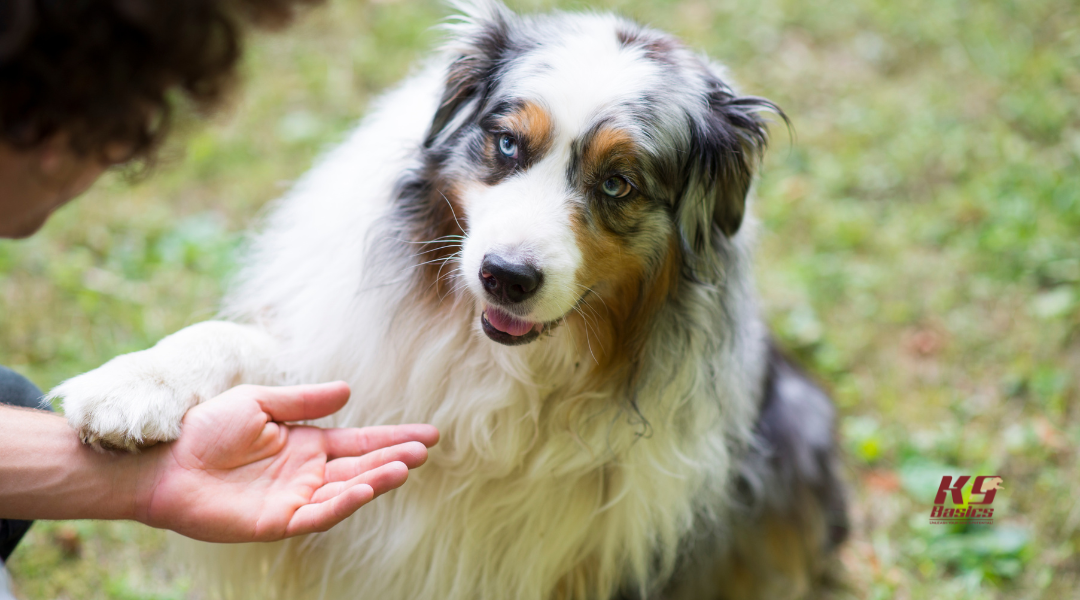
The Importance of Mental Enrichment for Senior Dogs
As dogs age, mental exercise can become just as important as physical exercise.
While some senior dogs may not be able to participate in high-energy activities, they still benefit greatly from opportunities to think, problem-solve, and engage with their environment. Mental enrichment helps keep dogs active, engaged, and confident while providing an outlet for natural behaviors.
Regular cognitive challenges may also help support overall brain health and quality of life as dogs enter their senior years.
Scent Work, Food Puzzles, and Brain Games
Mental enrichment doesn’t need to be complicated.
Simple activities such as scent work, food puzzles, and interactive games can provide valuable stimulation while placing minimal strain on aging joints and muscles.
Scent-based activities are particularly beneficial because they tap into a dog’s strongest natural sense. Hiding treats around the home, creating simple search games, or introducing beginner scent work exercises can provide both mental stimulation and confidence-building opportunities.
Food puzzles and enrichment toys encourage problem-solving and can help slow down mealtime while keeping dogs engaged. Target training, trick training, and other low-impact learning activities can also provide valuable opportunities for mental exercise.
At K9 Basics, we often remind owners that training doesn’t stop when a dog reaches adulthood or senior status. Continuing to challenge a dog’s mind through training and enrichment can help strengthen the bond between dog and owner while keeping learning fun at every stage of life.
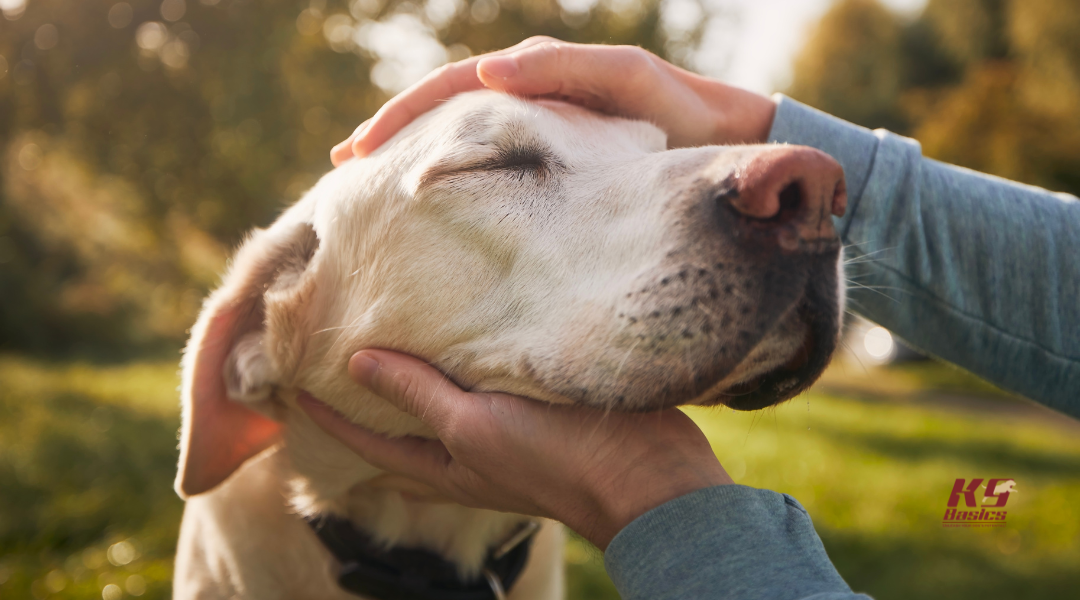
K9 Basics Helps Adult and Senior Dogs Thrive Through Training/ Discover What’s Possible with Professional Dog Training
Call us at (866) 457-3815 or, if you’re from New Jersey, Pennsylvania, Delaware, or New York, visit us at 131 Kennilworth Road, Marlton, NJ 08053, to learn more about our group training classes.
Also, browse our blog and social media for various topics about dogs and their lives with us!