
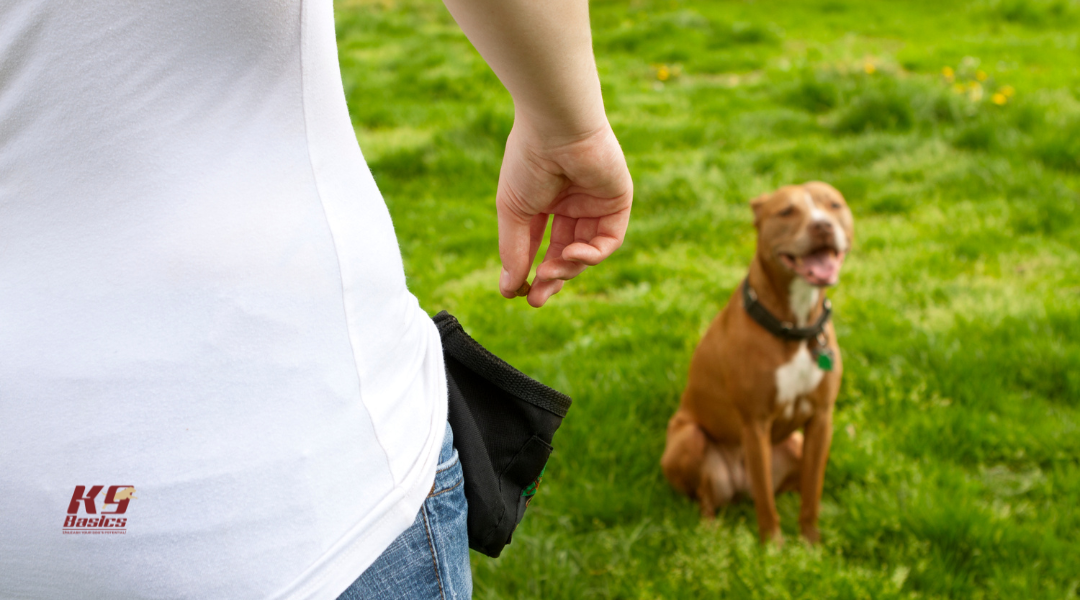
Bringing a rescue dog home is often one of the most rewarding experiences a family can have. Some rescue dogs, unfortunately, carry emotional baggage from previous homes caused by neglect, inconsistent training, or traumatic experiences.
While love and patience are essential, some behavioral challenges require a structured approach that goes beyond what most owners can provide on their own.
For many rescue dogs, these reactions are tied to past experiences. A dog that has previously felt unsafe, lacked resources, or never learned how to appropriately navigate social situations may default to a fight-or-flight response when faced with a trigger.
At K9 Basics, we’ve worked with countless rescue dogs struggling with anxiety, fear, and leash reactivity. Time and again, we’ve seen how professional training can help these dogs overcome past experiences, build confidence, and learn to navigate the world calmly and successfully.
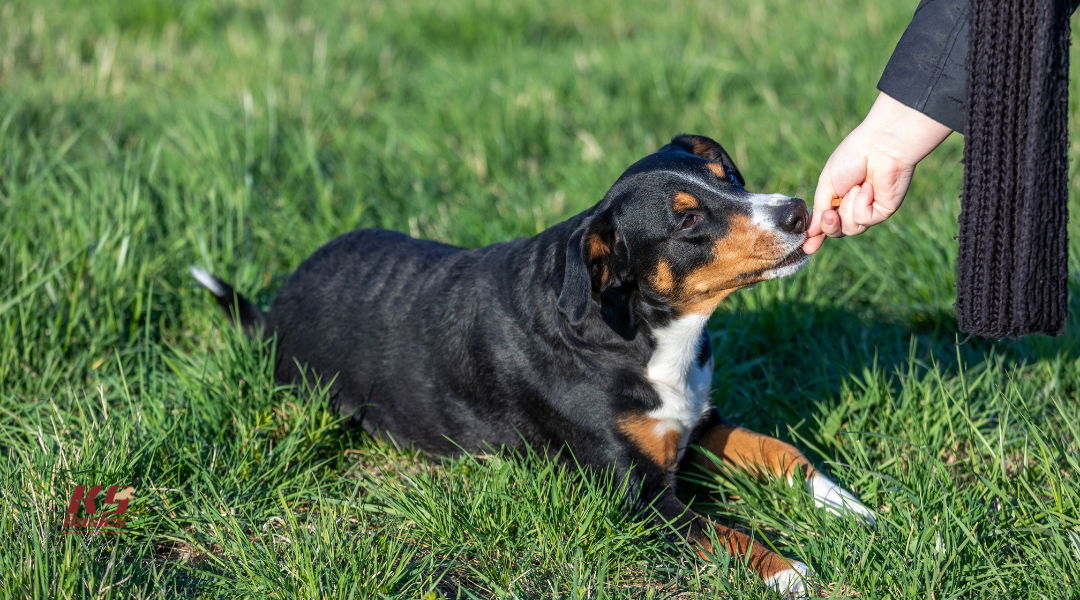
Understanding Why Rescue Dogs Become Reactive
Many rescue dogs develop reactive behaviors as a survival mechanism. A dog that has experienced conflict with other dogs, lacked proper socialization, or lived in an unpredictable environment may begin to view certain situations as threats.
One of the most common examples is leash reactivity. A dog sees another dog approaching during a walk and immediately begins barking, lunging, or pulling. To an owner, it may seem like aggression, but in many cases, the behavior is rooted in fear, anxiety, or uncertainty.
When a dog repeatedly practices these reactions, the behavior becomes reinforced. The dog learns that reacting creates distance from the trigger, making the response stronger over time.
The key to rehabilitation is helping the dog develop a different emotional response while providing clear guidance and structure.
Why Professional Training Makes a Difference
While owners often do their best to help their dogs, rehabilitation can be difficult when the dog remains exposed to the same daily triggers and routines.
This is where immersive training programs can be transformative.
Our K9 Basics professional board-and-train environment allows trainers to carefully manage the dog’s surroundings, reduce overwhelming stimuli, and create controlled opportunities for learning. Rather than reacting to unexpected encounters on neighborhood walks, the dog is introduced to new experiences in a structured way that promotes success.
One of the biggest benefits of a board-and-train program is the ability to control variables. Trainers can carefully manage interactions with other dogs, introduce challenges at the appropriate pace, and prevent the dog from repeatedly rehearsing unwanted behaviors. This creates opportunities for learning that are often difficult to replicate in an owner’s day-to-day environment.
At K9 Basics, rehabilitation begins by helping the dog learn that they don’t need to handle every situation on their own. Instead of focusing on potential threats, they learn to look to their handler for guidance.
Reconditioning Fear Through Counter-Conditioning
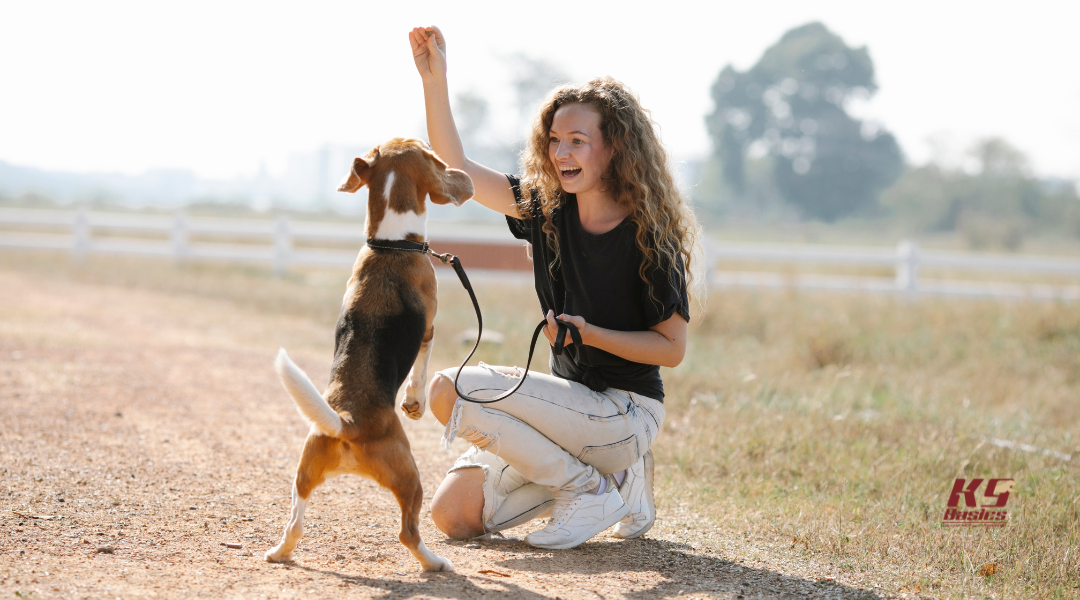
One of the most effective tools in rehabilitation is counter-conditioning.
When a dog has developed a negative association with a particular trigger such as another dog simply exposing them to that trigger repeatedly is not enough. The goal is to change how the dog feels about the situation.
Professional trainers achieve this by redirecting the dog’s attention and rewarding desirable behaviors. Instead of fixating on another dog, the dog learns to check in with the handler, follow guidance, and remain engaged.
Over time, the emotional response begins to shift. What once triggered fear or defensiveness becomes a neutral or manageable experience.
Through carefully structured exposure and repetition, the dog begins building positive associations while gaining confidence in their handler’s leadership. This process helps reduce the dog’s need to react impulsively in challenging situations.
This process requires careful timing, consistency, and experience, which is why professional guidance often produces faster and more reliable results than attempting rehabilitation alone.
Building Confidence Through Structure and Leadership
Many anxious dogs begin to thrive when they have clear expectations.
Contrary to common misconceptions, effective leadership is not about intimidation or forcing compliance. It’s about establishing consistency, setting boundaries, and creating predictable routines that help the dog feel secure.
Dogs naturally benefit from understanding:
- What behaviors are expected
- Which behaviors will be rewarded
- Which behaviors will be interrupted and redirected
- How to successfully navigate everyday situations
Through obedience training, structured routines, and consistent boundaries, rescue dogs begin to develop confidence. They learn that someone else is managing the environment, allowing them to relax instead of constantly feeling responsible for their own safety.
For many rescue dogs, this clarity becomes a turning point in their rehabilitation journey.
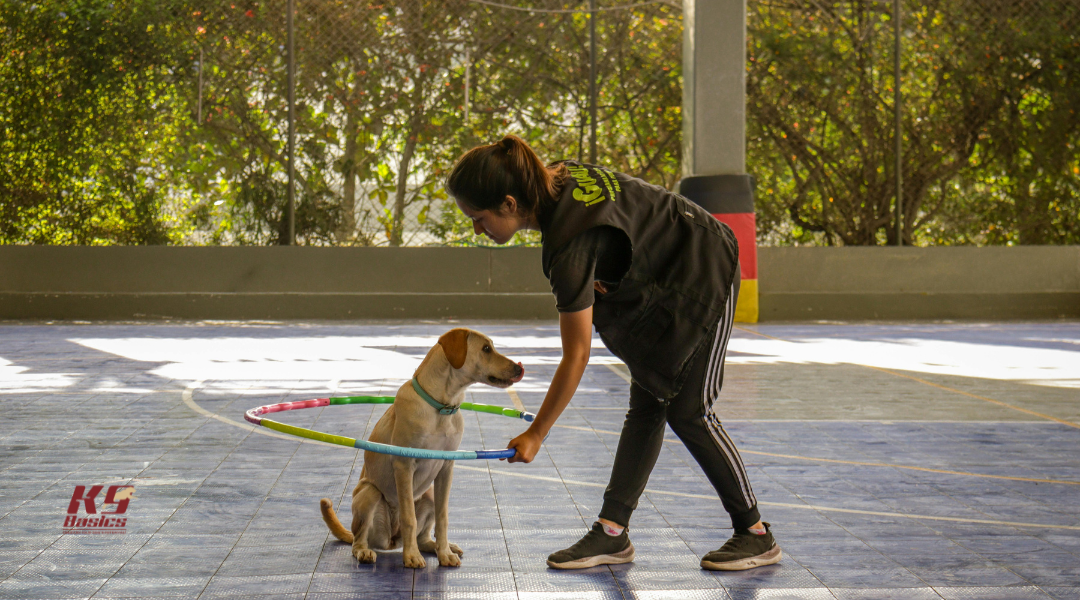
A Success Story: From Reactive to Reliable
One rescue dog that came to K9 Basics arrived with severe leash reactivity and anxiety stemming from experiences in a previous home. Walks had become stressful for both the dog and the owner. Encounters with other dogs often resulted in barking, lunging, and heightened tension.
The rehabilitation process focused on several key areas:
- Building engagement with the handler
- Teaching reliable obedience commands
- Creating positive experiences around other dogs
- Establishing clear boundaries and expectations
- Gradually introducing controlled socialization opportunities
As training progressed, the dog learned to redirect attention away from triggers and toward the handler. Situations that once caused immediate reactions became opportunities to practice calm behavior and reinforce trust.
Over time, the transformation became evident. Walks became more enjoyable, the dog’s confidence increased, and the owner gained the skills needed to maintain progress at home.
The Often-Overlooked Role of Owner Confidence
Successful rehabilitation doesn’t end when the training program is complete.
Dogs are remarkably sensitive to human emotions and body language. If an owner becomes anxious every time another dog appears, their dog may pick up on that tension and revert to old habits.
That’s why rehabilitation is a two-way process.
At K9 Basics, owner education is a critical component of every training program. Through regular updates, progress reports, photos, and hands-on instruction during the transition home, owners learn how to reinforce the behaviors their dog has developed during training.
When owners feel confident and equipped, dogs are far more likely to maintain their progress long-term.
Every Rescue Dog Deserves a Fresh Start
A difficult past does not have to define a dog’s future.
With the right combination of structure, professional guidance, positive experiences, and owner involvement, even dogs with significant behavioral challenges can learn new habits and build healthy relationships with the world around them.
At K9 Basics, we’ve seen firsthand how rehabilitation can transform not only a dog’s behavior but also the bond between dog and owner. Whether a dog is struggling with leash reactivity, anxiety, fear-based behaviors, or confidence issues, professional training can provide the foundation they need to move forward.
Every rescue dog deserves the opportunity to leave their past behind and with the right support, remarkable transformations are possible.
Call us at (866) 457-3815 or, if you’re from New Jersey, Pennsylvania, Delaware, or New York, visit us at 131 Kennilworth Road, Marlton, NJ 08053, to learn more about our group training classes.
Also, browse our blog and social media for various topics about dogs and their lives with us!