

Hiring a dog trainer often feels like an act of trust. You are handing over your dog’s safety, learning, and motional well-being to someone who claims to know what they are doing. In an industry with no universal regulation, that trust is not always well placed.
Many dog owners do not realize how easy it is for someone to call themselves a trainer. A polished website, confident language, or bold promises can mask a lack of real education or experience. The wrong choice can lead to stress, setbacks, and even long-term behavior issues for a dog.
You can protect both your dog and your investment while choosing support that is safe, ethical, and effective.
Red Flags That Signal an Unqualified Dog Trainer
Choosing the wrong trainer can set a dog back emotionally and behaviorally. While every trainer has a different style, there are clear warning signs that indicate a lack of education, structure, or professionalism. Recognizing these red flags helps protect both your dog’s well-being and your investment.
Harsh or Punishment Heavy Training Methods
Training that relies heavily on fear, intimidation, or physical punishment is a major warning sign. These methods may suppress behavior temporarily, but they often increase stress, anxiety, and reactivity over time.
Qualified trainers focus on teaching dogs how to make better choices, not forcing compliance through discomfort or fear. If a trainer dismisses concerns about stress signals or downplays the emotional impact of their methods, it is a sign to walk away.
One Size Fits All Approaches to Behavior
Dogs differ in temperament, history, sensitivity, and learning style. Trainers who apply the same techniques to every dog without adjustment are ignoring critical factors that influence behavior.
A qualified trainer should assess each dog individually and adapt their training approach accordingly. When a trainer insists that one method works for every dog, it often signals limited knowledge or experience.
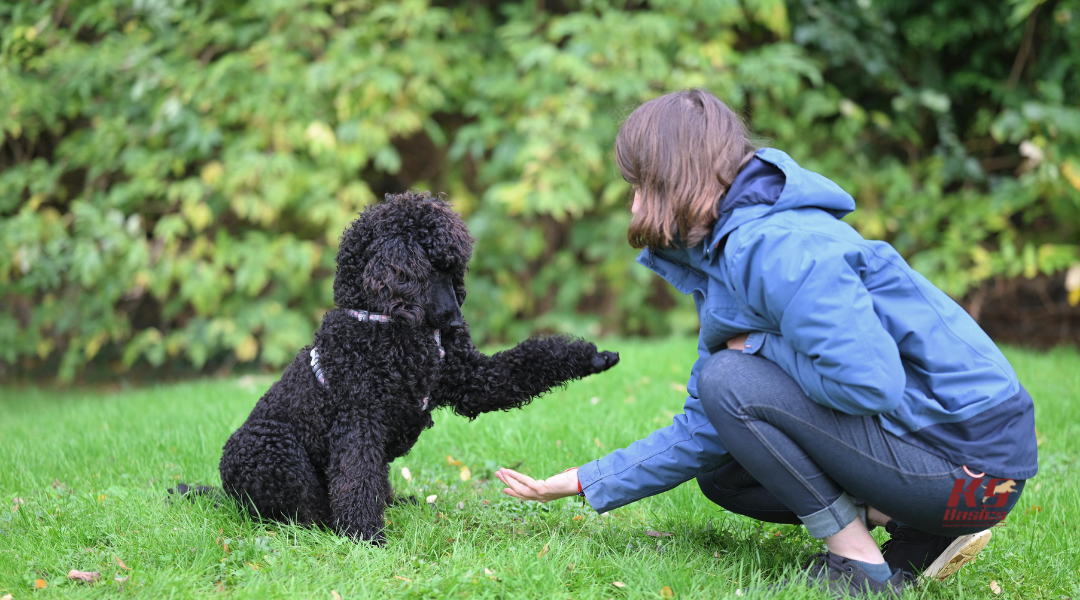
No Physical Facility or Refusal to Allow In-Person Visits
A lack of transparency around training environments is another red flag. Trainers who refuse to allow in-person visits or avoid showing where training takes place may be hiding unsafe or inappropriate conditions.
Professional trainers are open about their facilities, setups, and safety protocols. Seeing a training environment in person provides valuable insight into how dogs are handled and cared for.
Delayed Responses or Poor Professional Communication
How a trainer communicates before you sign up often reflects how they will communicate once training begins. Consistently delayed responses, vague answers, or a dismissive tone suggest a lack of professionalism.
Clear, timely communication is essential when working with dogs. Trainers should be willing to answer questions, explain their process, and set realistic expectations from the start.
Outdated or Incomplete Online Presence
An outdated website, missing information, or lack of educational content can indicate that a trainer is not actively engaged in professional development or current best practices.
While not every great trainer is focused on marketing, a complete and transparent online presence helps owners understand credentials, experience, and training philosophy. A lack of clarity should prompt further investigation.
Claims of Quick Fixes or Guaranteed Results
Promises of instant results or guaranteed behavior changes are unrealistic. Dog training is a process that depends on consistency, environment, and the dog’s individual needs.
Trainers who guarantee outcomes often oversimplify behavior or ignore factors that affect progress. Ethical trainers focus on realistic timelines and measurable improvement, not shortcuts.
Promises That Ignore Dog Temperament and History
A dog’s past experiences, age, and emotional state all influence how they respond to training. Trainers who overlook these factors risk pushing dogs too fast or using inappropriate techniques.
Qualified trainers take time to understand a dog’s background and current behavior before creating a plan. Ignoring this information can lead to setbacks and unnecessary stress.
Recognizing these red flags empowers dog owners to make safer, more informed decisions. Choosing a trainer who values transparency, adaptability, and dog welfare creates a foundation for effective and responsible training.
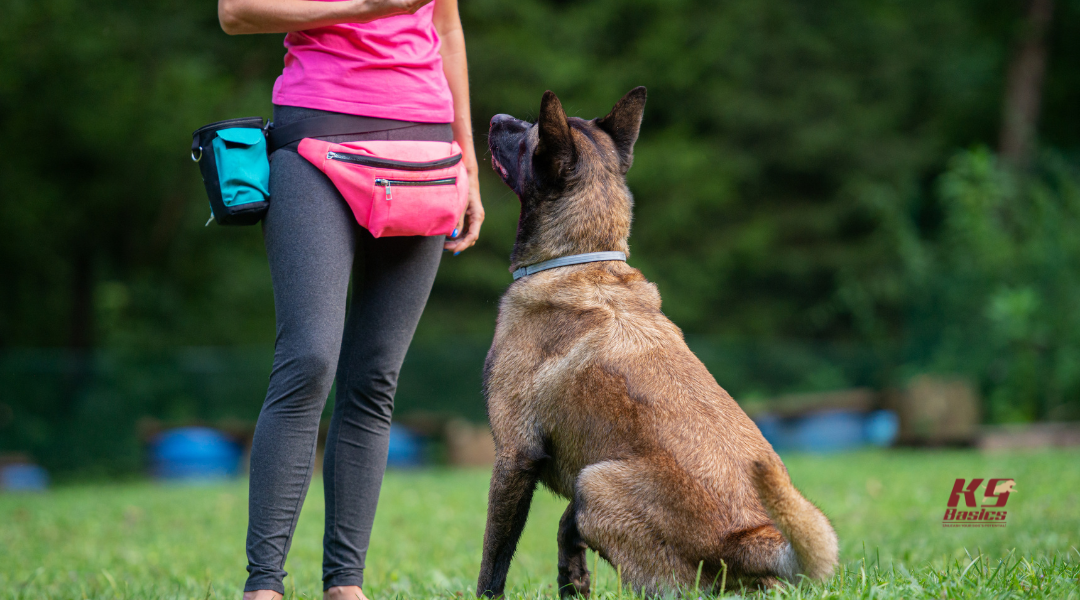
Choosing a Dog Trainer Requires Careful Evaluation
Selecting a dog trainer is not just a service decision. It is a decision that affects your dog’s safety, emotional well-being, and long-term behavior. Because training methods shape how dogs learn and respond to the world, taking time to evaluate a trainer carefully is essential.
A thoughtful evaluation helps owners avoid harmful practices, wasted money, and unnecessary setbacks. Asking the right questions and looking beyond surface-level marketing allows you to choose a professional who prioritizes education, structure, and the dog’s overall welfare.
The Dog Training Industry Is Largely Unregulated
Unlike many professional fields, dog training has no universal licensing or regulatory body. This means that anyone can call themselves a dog trainer regardless of experience, education, or skill level.
While many trainers are knowledgeable and ethical, the lack of regulation places more responsibility on dog owners to assess qualifications. Understanding this reality helps owners approach the search process with a critical eye rather than assuming all trainers meet the same standards.
Lack of Verifiable Training or Certification: Credentials, Education, and Transparency
One of the clearest warning signs is the absence of verifiable education or credentials. Qualified trainers are typically able to explain where they learned, what programs they completed, and how they continue their education.
Transparency matters. Trainers should be comfortable discussing their background, certifications, and hands-on experience. Vague claims or defensiveness when asked about training history often indicate limited formal education.
Unclear Answers About Methods or Experience
Professional trainers should be able to clearly explain how they train and why they use certain methods. If answers feel evasive, overly simplified, or inconsistent, it suggests a lack of depth or clarity in their approach.
Owners deserve to understand what will happen during training and how their dog will be handled. Clear explanations demonstrate confidence, competence, and respect for both the dog and the owner.
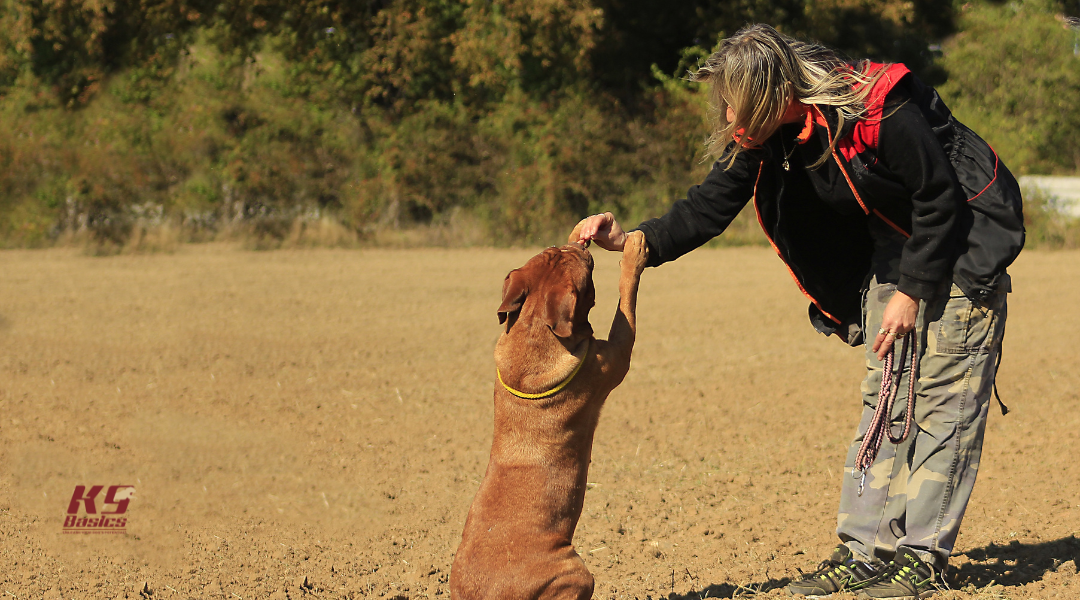
How Qualified Trainers Approach Training Differently
Qualified trainers focus on long-term outcomes, not quick fixes. Their approach is built around clear structure, thoughtful progression, and respect for the dog’s emotional and physical safety. Rather than forcing behavior, they create conditions where learning can happen calmly and consistently.
At K9 Basics Training, training is designed to support the whole picture. That includes the dog’s temperament, history, environment, and the handler’s role in the process. This level of consideration is a key difference between qualified professionals and untrained providers.
Emphasis on Safety, Structure, and Clear Progression
Qualified trainers prioritize safety at every stage of training. This includes appropriate equipment use, controlled environments, and progression that matches the dog’s readiness rather than a preset timeline.
Structure provides clarity for dogs. Clear routines, consistent expectations, and step-by-step progression help dogs understand how to succeed without becoming overwhelmed. Training plans evolve as the dog improves, instead of jumping ahead too quickly.
Willingness to Educate and Involve the Owner
A strong indicator of a qualified trainer is their willingness to educate the owner, not just handle the dog. Training should empower owners with knowledge, timing, and confidence so progress continues outside of sessions.
Rather than keeping methods secret or discouraging questions, professional trainers explain what they are doing and why. This collaborative approach leads to better long-term results and a stronger relationship between dog and handler.
What to Look for When Researching a Trainer
Researching a trainer goes beyond browsing a website or social media page. A careful review process helps you identify professionals who value transparency, professionalism, and ongoing education.
Taking time to research protects both your dog’s well-being and your investment.
Reading Reviews and Asking the Right Questions
Reviews can offer valuable insight into how a trainer works with dogs and communicates with clients. Look for patterns rather than isolated comments, especially feedback related to safety, professionalism, and long-term improvement.
When speaking directly with a trainer, ask clear questions about their experience, training philosophy, and how they adapt methods to individual dogs. Qualified trainers welcome these conversations and provide thoughtful, specific answers.
Observe a Session or Facility
Whenever possible, observing a training session or visiting a facility provides important context. You can see how dogs are handled, how stress is managed, and how structure is maintained.
Professional trainers are comfortable allowing observation because transparency is part of ethical practice. Seeing training in action helps owners make informed decisions and feel confident in their choice.
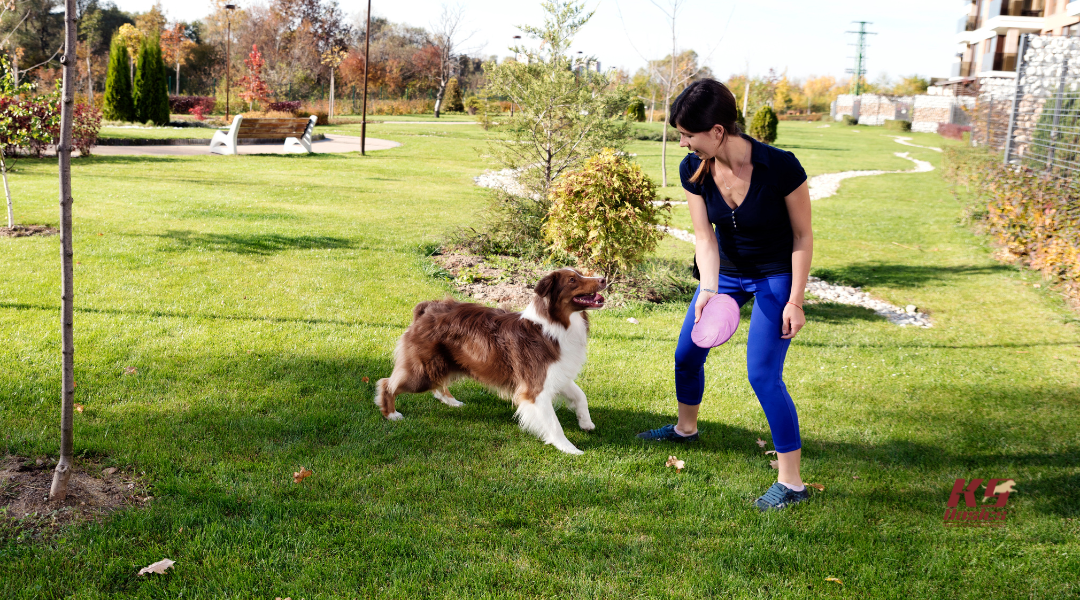
K9 Basics Training Team Sets the Standard!
Call us at (866) 592-2742 or, if you’re from New Jersey, Pennsylvania, Delaware, or New York, visit us at 131 Kennilworth Road, Marlton, NJ 08053, to learn more about our group training classes.
Also, browse our blog and social media for various topics about dogs and their lives with us!