

Bringing home a new puppy is one of life’s greatest joys, and biggest responsibilities. But what if your job already demands long hours, tight deadlines, and limited free time? Can you truly raise a happy, well-adjusted dog while juggling a full schedule?
Balancing a demanding career with a new puppy isn’t about having endless free time; it’s about building structure, making smart use of your resources, and understanding your dog’s needs from day one.
We’ll explore how busy professionals can successfully raise a puppy without feeling overwhelmed, from time management and breed selection to professional training options that make all the difference. 
The Challenges of Bringing a Puppy Home
A new puppy isn’t just a cute addition to your home, they’re a full-time responsibility. Between housetraining, feeding, and sleeping schedules, socialization, and exercise, puppies need near-constant supervision during the first several months.
Even a few hours alone can lead to setbacks, accidents, or destructive behavior. Many new owners underestimate how demanding this phase can be, especially when balancing long workdays or frequent travel.
Without consistency, a puppy can quickly develop anxiety, disobedience, or poor habits that are hard to break later.
Hidden Costs of Neglecting Early Training
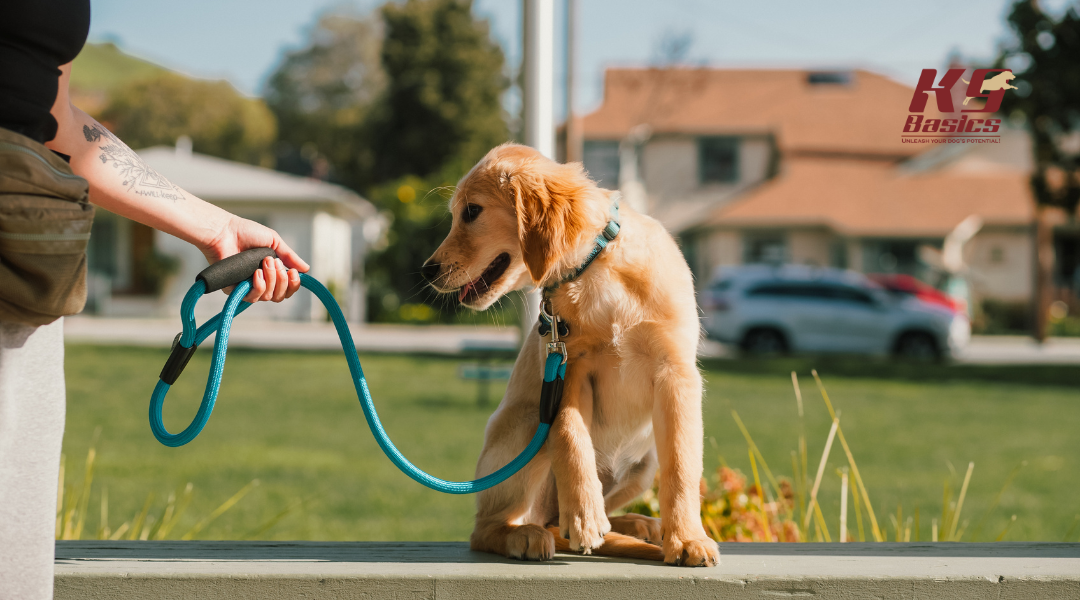
Skipping or delaying training often leads to far more problems, and expenses down the line. Untrained puppies are more likely to cause property damage, develop reactivity, or struggle with leash manners and recall.
Behavioral correction later in life can take significantly longer and cost more than early, consistent training. Investing in professional obedience training early on sets the foundation for calm, confident behavior and prevents costly mistakes before they happen. At K9 Basics, many clients discover that proper training during puppyhood saves both time and money long-term.
Can Work Schedules Impact Puppy Development?
Absolutely. A packed work schedule can unintentionally affect a puppy’s emotional and behavioral growth. Puppies learn through structure and repetition, something that’s difficult to maintain when you’re away for 8–10 hours a day.
Irregular routines can lead to separation anxiety, destructive chewing, and inconsistent potty training. Without enough social interaction, your puppy may also struggle with confidence and adaptability. That’s why creating a predictable daily schedule and seeking professional support are essential steps.
Programs like K9 Basics’ Puppy Training are designed to help busy owners establish balance, ensuring their dogs develop properly, even when work life is demanding.

Assessing Your Readiness
- Timing Is Everything: When It’s Not the Right Season for a Puppy
Life transitions, like starting a new job, moving homes, or working long shifts, can make raising a puppy more stressful than joyful. If your routine is unpredictable, it might be best to wait until you can provide the consistency your dog needs to feel secure and thrive. - Evaluating Your Lifestyle, Energy, and Support System
Puppies don’t just need care; they need engagement. Assess whether you have the energy to train after work, the flexibility to manage midday potty breaks, or a trusted support system to help when you can’t be home. Friends, family, or reliable services like dog walkers can make a world of difference for busy owners. - Choosing a Breed That Fits Your Work Routine
Every breed has different exercise and attention requirements. A high-energy herding dog may not do well in an apartment with a full-time worker, while a more independent breed might adapt better. Researching temperament and energy levels before adoption helps set you, and your puppy, up for success.
Building a Realistic Puppy Plan
- Creating a Daily Routine Around Your Work Hours
Puppies thrive on structure. Plan out consistent feeding, training, and potty times around your workday. Mornings and evenings are ideal for bonding and training, while midday breaks, whether by you or a hired helper, keep your puppy on track. - Setting Up Safe Spaces and Mental Stimulation While You’re Away
A secure, comfortable environment reduces anxiety and boredom. Use a crate or playpen, provide chew toys, puzzle feeders, or treat-dispensing toys to keep their mind engaged. This prevents destructive behavior and helps your puppy learn independence. - Scheduling Walks, Play, and Potty Breaks Strategically
Regular exercise and potty breaks are non-negotiable. Coordinate walks before and after work, and consider a professional dog walker or daycare for midday breaks. Structured physical and mental outlets help burn energy and reinforce calm, balanced behavior, something K9 Basics trainers emphasize in every puppy program.
Leveraging Help and Support
- Professional Services: Dog Walkers, Sitters, and Daycare Options
Reliable support can make all the difference in your dog’s development. A mid-day dog walker or sitter provides exercise, companionship, and consistency while you’re at work. Dog daycare is another excellent option for socialization and supervised play, helping your puppy burn energy and learn appropriate behavior around other dogs. - Training Programs That Save Time for Busy Professionals
Structured professional training programs, like those offered by K9 Basics in Marlton, are designed with working owners in mind. Instead of struggling through trial and error after a long day, you can rely on experienced trainers to teach obedience, manners, and confidence in a controlled environment. This not only speeds up progress but also ensures your puppy develops good habits right from the start. - Why Investing in Help Is an Investment in Your Dog’s Future
Whether it’s professional training or trusted care services, every bit of help you bring in supports your dog’s well-being. Early guidance reduces long-term behavioral issues, strengthens your bond, and sets your puppy on the path to becoming a calm, confident adult. Think of it not as outsourcing, but as ensuring your puppy gets the best foundation possible.
Balancing Work, Bonding, and Training
- Making the Most of Morning and Evening Routines
Use mornings for short play sessions, feeding, and light training before work. Evenings are perfect for walks, enrichment, and quiet bonding. Consistency helps your puppy learn when to expect activity and when to rest, keeping their day predictable and calm. - How Short, Consistent Training Sessions Build Obedience
Training doesn’t need to take hours. Five to ten minutes of focused practice a few times a day is often more effective than one long session. Repetition reinforces commands and strengthens communication between you and your puppy. Programs like those at K9 Basics teach busy owners how to use these short windows for maximum progress. - Managing Separation Anxiety Through Gradual Independence
Puppies who learn to spend time alone in small, positive increments adapt better as they grow. Start by leaving the room for a few minutes, then gradually extend your absence. Pair independence with crate training, calm departures, and quiet returns to build confidence and reduce anxiety, a technique K9 Basics trainers often incorporate into their puppy programs.
When to Wait and Why That’s Okay
If you’re working long hours, traveling frequently, or already feeling stretched thin by your daily routine, adding a puppy to the mix can lead to stress for both of you.
Puppies need consistent attention for housetraining, socialization, and emotional growth and when that’s missing, behavioral issues often follow. It’s better to wait until your schedule allows you to be fully present rather than rush into ownership unprepared. Taking that pause shows maturity and foresight, qualities every great dog owner needs.
You don’t have to give up your love for dogs while waiting for the right time. Fostering through a local rescue allows you to enjoy canine companionship temporarily while helping a dog in need. Volunteering at shelters or joining training classes as an observer can also prepare you for future ownership.
Once your workload lightens or your schedule becomes more predictable, you’ll be far more equipped to bring a puppy home, ready to give them the time, structure, and love they deserve.
Let K9 Basics Help You Balance Work and Puppy Life!
Call us at (866) 592-2742 or, if you’re from New Jersey, Pennsylvania, Delaware, or New York, visit us at 131 Kennilworth Road, Marlton, NJ 08053, to learn more about our group training classes.
Also, browse our blog and social media for various topics about dogs and their lives with us!