
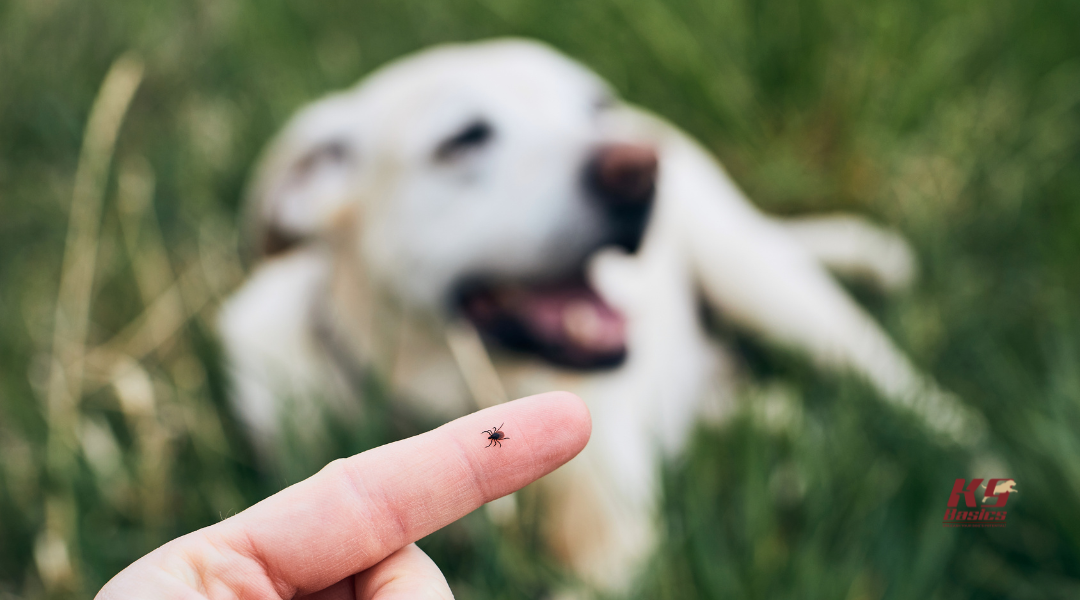
As dogs spend more time outside and walks get longer, the chances of picking up ticks go up. With the Pine Barrens close by, it can happen quickly, even on a short outing.
Daily checks aren’t optional this time of year; they need to be part of the routine.
For many owners, this is where things get difficult. What should be a simple check of paws, ears, and underbelly turns into a struggle.
Dogs pull away, nip at your hands, or refuse to stay still. Over time, it becomes a stressful process.
The reality is, dog handling is a skill. Dogs need to learn how to stay calm, tolerate touch, and allow you to check them properly.
When that’s in place, daily care becomes quick, routine, and manageable, even during peak tick season.
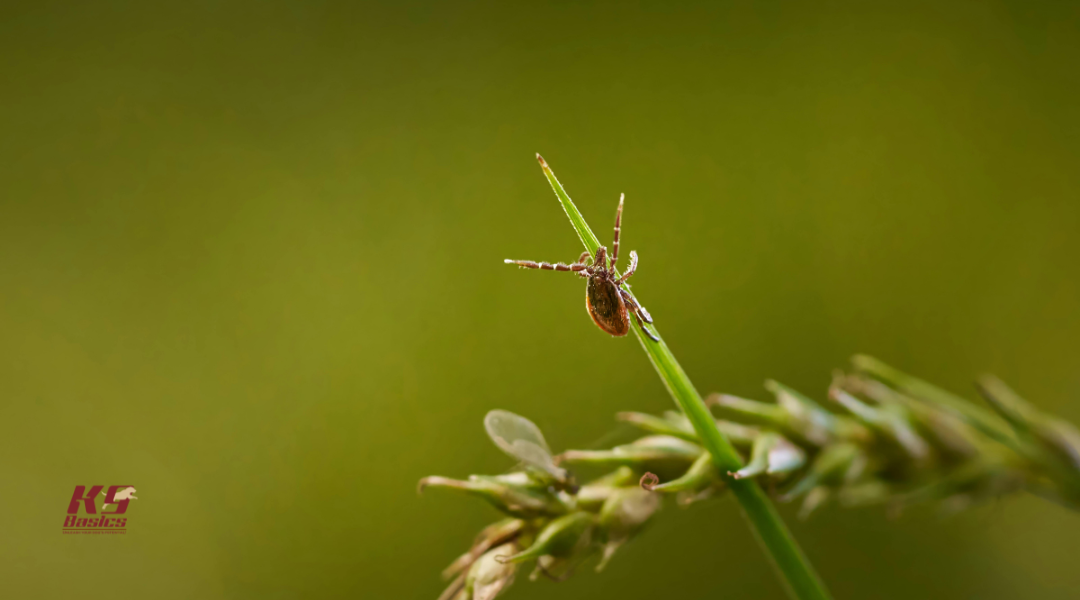
Spring is Tick Season
Grass, wooded trails, and even backyards can carry ticks. It doesn’t take a long hike for a dog to pick one up. Spring walks come with more exposure, which means more responsibility once you’re home.
Daily Tick Checks Are Non-Negotiable
Skipping a check here and there is how ticks go unnoticed. The sooner you find them, the easier they are to deal with. A quick check after every walk keeps things simple and prevents bigger problems later on.
Where Ticks Hide on Your Dog
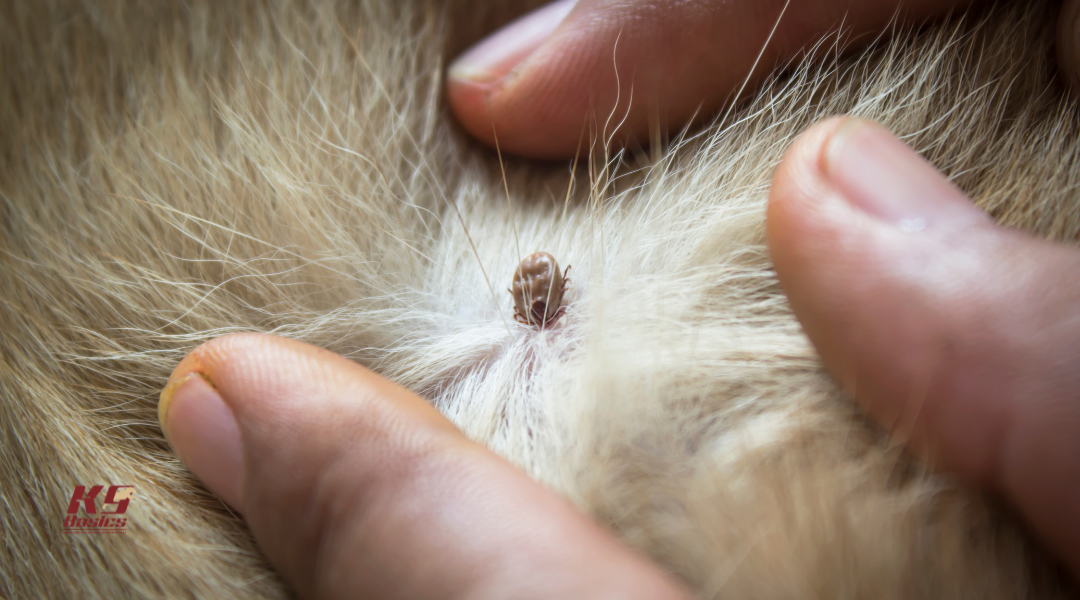
Ticks work their way into spots that are easy to miss. Check around the ears, under the collar, between the toes, under the legs, and along the belly. Anywhere warm and slightly hidden is a place they can settle.
After-Walk Routines Every Owner Should Follow
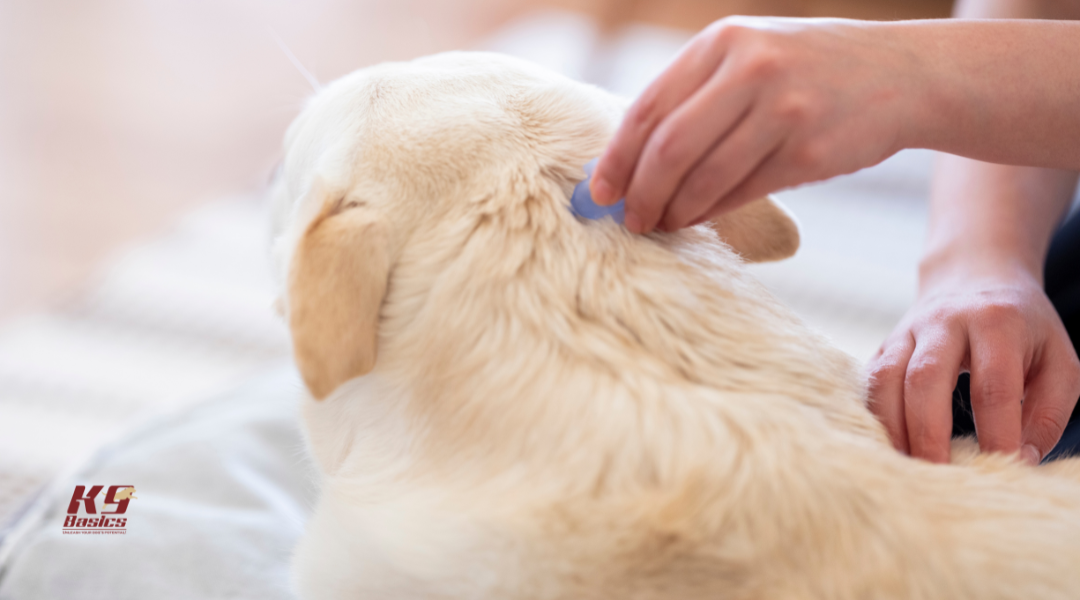
Make it part of the routine the moment you get home. Before your dog settles in, run through a full check while they’re still calm from the walk. Wipe down paws if needed, brush through the coat, and take a few extra seconds to look properly. Done consistently, it becomes second nature.
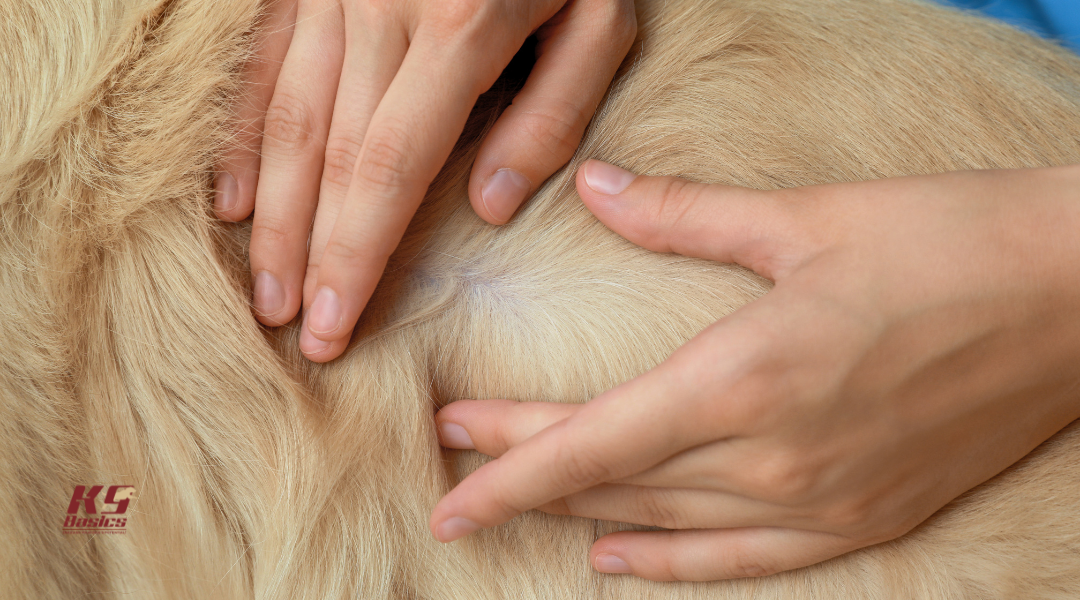
Your Dog That Won’t Let You Check Them for Ticks
For some dogs, the moment you reach for their paws or ears, they resist. What should take a few minutes turns into a back-and-forth that leaves everyone frustrated.
Squirming, Mouthiness, and Avoidance
Pulling away, twisting their body, using their mouth, or simply refusing to stay still are all common reactions. These behaviors make it difficult to check properly and easy to miss something important.
This Is a Training Issue, Not Just a Grooming Issue
Being able to handle your dog is not optional. It’s part of basic control and trust. Dogs can learn to stay still, accept touch, and remain calm during checks, but it has to be taught and reinforced.
When that’s in place, something like a daily tick check becomes quick and manageable instead of a struggle.
What Proper Handling Should Look Like
Handling should feel uneventful. You should be able to move your dog into position, check what you need to check, and finish without a struggle. The goal is a dog that accepts touch without reacting, not one that has to be held down or distracted.
Calm, Still, and Cooperative Behavior
A well-handled dog stays in place, allows you to guide them, and doesn’t try to escape the moment you reach in. There’s no tension, no sudden reactions, just a steady, neutral response while you work through the check.
Tolerance Around Paws, Ears, Belly, and Tail
These are the areas most dogs resist, and the exact areas you need access to. Proper tolerance means you can lift a paw, look inside an ear, or check along the belly without hesitation or pushback. The dog understands that this kind of contact is normal and expected.
How to Start Desensitizing Your Dog at Home
You don’t need long sessions to begin. What matters is how you approach it. Keep it simple, controlled, and repeatable so your dog can understand what you’re asking.
Start Small: Short, Low-Pressure Touch
Begin with brief, light contact in areas your dog already tolerates. Touch, release, and move on before they feel the need to react. As they settle, you can gradually work into more sensitive areas.
Reward Calm Behavior, Not Resistance
The focus is on reinforcing stillness and acceptance. If your dog stays calm, that’s when you mark it with praise or reward. If they pull away or resist, don’t reward the reaction. Wait for calm, then acknowledge it.
Consistency Over Intensity
This is something you build over time, not fix in one session. A few minutes each day is more effective than occasional, longer attempts. When it becomes part of your routine, your dog starts to understand what’s expected and responds more easily.
Why Most Owners Struggle to Fix This Alone
On paper, it seems simple. Search your dog for ticks, get them used to it, repeat. In reality, small mistakes in timing and consistency make a big difference. Without a clear approach, many owners end up stuck in the same cycle.
Inconsistent Timing and Mixed Signals
If, in one moment, you allow your dog to pull away and, in the next, you insist they stay still, it creates confusion. Dogs learn from patterns. When those patterns aren’t clear, they don’t know what’s expected, so they default to avoidance.
Accidentally Reinforcing Avoidance
It’s easy to back off when your dog resists. The problem is that it teaches them that resistance works. Every time they squirm, and you stop, the behavior is reinforced. Over time, it becomes their go-to response.
Frustration Makes the Problem Worse
Handling can quickly turn into a stressful interaction. When frustration creeps in, dogs feel it. They become more tense, more reactive, and less willing to cooperate. What should be routine starts to feel like a battle.
How Day Training Builds Handling Tolerance
This is where structured training changes things. Instead of guessing your way through it, your dog is guided through the process with clear expectations and consistent follow-through.
Structured Exposure in a Controlled Environment
At K9 Basics, dogs are introduced to handling in a progressive, controlled manner. Trainers work through sensitive areas step by step, ensuring the dog understands how to respond before moving forward. There’s no rushing, just clear, repeatable work.
Teaching Calmness Under Guidance
Calm behavior is not left to chance. It’s taught, reinforced, and expected. Dogs learn to remain still, accept touch, and relax even when handled in ways they previously resisted. This creates a level of reliability that’s hard to achieve on your own.
Turning Daily Care Into Routine, Not Conflict
The end goal is simple. Handling becomes just another part of the day. No tension, no resistance, no drawn-out process. Whether it’s a tick check, a bath, or general care, your dog understands what’s happening and allows it to be done.
Make Daily Care Simple Again with K9 Basics
Call us at (866) 457-3815 or, if you’re from New Jersey, Pennsylvania, Delaware, or New York, visit us at 131 Kennilworth Road, Marlton, NJ 08053, to learn more about our group training classes.
Also, browse our blog and social media for various topics about dogs and their lives with us!