
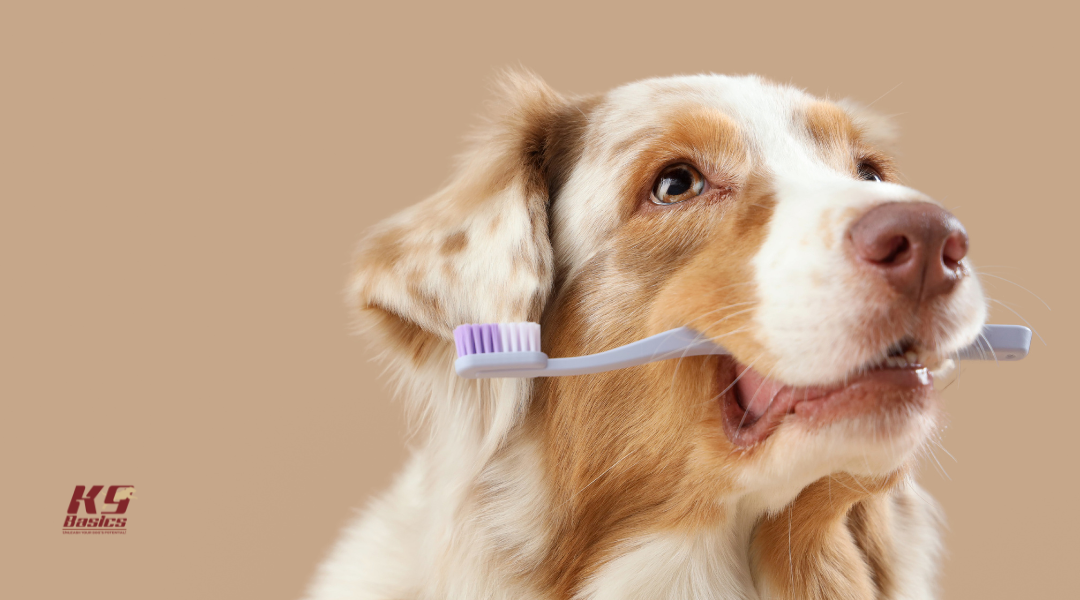
Most dogs don’t dislike tooth brushing because of the toothbrush itself. They resist it because having their mouth handled feels unfamiliar, intrusive, or unpredictable.
When that discomfort isn’t addressed, dental care quickly becomes a battle, one that many owners eventually avoid altogether.
February’s National Pet Dental Health Month is a good reminder that oral care matters, but it’s also an opportunity to rethink how we approach it.
This challenge is designed to help dogs learn that tooth brushing is safe, predictable, and even positive. we focus on slow desensitization, positive association, and handler calmness, building trust first, then technique.
Why Tooth Brushing Is Often Stressful for Dogs
Tooth brushing, like dog bathing, is stressful for many dogs because it involves close handling of sensitive areas of the body that they are not naturally comfortable having touched.
The mouth, lips, and gums are highly sensitive, and when contact happens suddenly or without preparation, dogs can feel trapped or threatened.
Many dogs are first introduced to tooth brushing later in life, often after plaque or odor has already become a concern. At that point, the experience is new and unfamiliar, and it can be paired with owner frustration or urgency. Dogs quickly associate the toothbrush with restraint, discomfort, or tension, rather than with anything positive.
Stress is also amplified by the handler’s emotion. When an owner approaches tooth brushing with anxiety, impatience, or hesitation, dogs detect that emotional state through body language and scent. This can lead to resistance, avoidance, or defensive behaviors, even in dogs that are otherwise calm and cooperative.
How Desensitization Training Makes Tooth Brushing Possible
Desensitization training works by breaking tooth brushing into small, manageable steps that allow the dog to remain calm and engaged throughout the process. Instead of forcing compliance, the goal is to gradually build tolerance and comfort at the dog’s pace.
Training begins with positive association, not brushing. Dogs first learn that mouth handling leads to good outcomes, such as praise, food rewards, or flavored toothpaste they enjoy. This helps change the emotional response from uncertainty or stress to anticipation and trust.
Progression is slow and intentional. A dog may start by simply accepting a hand near the muzzle, then gentle lip lifts, followed by brief contact with a finger toothbrush. Each step is repeated until the dog remains relaxed before moving forward. Rushing the process often creates setbacks, while consistency builds confidence.
By respecting the dog’s pace and keeping sessions short and calm, tooth brushing becomes a predictable routine rather than a stressful event. Over time, dogs learn that dental care is just another form of cooperative handling, not something to fear or resist.
Choosing the Right Tools for Tooth Brushing Training
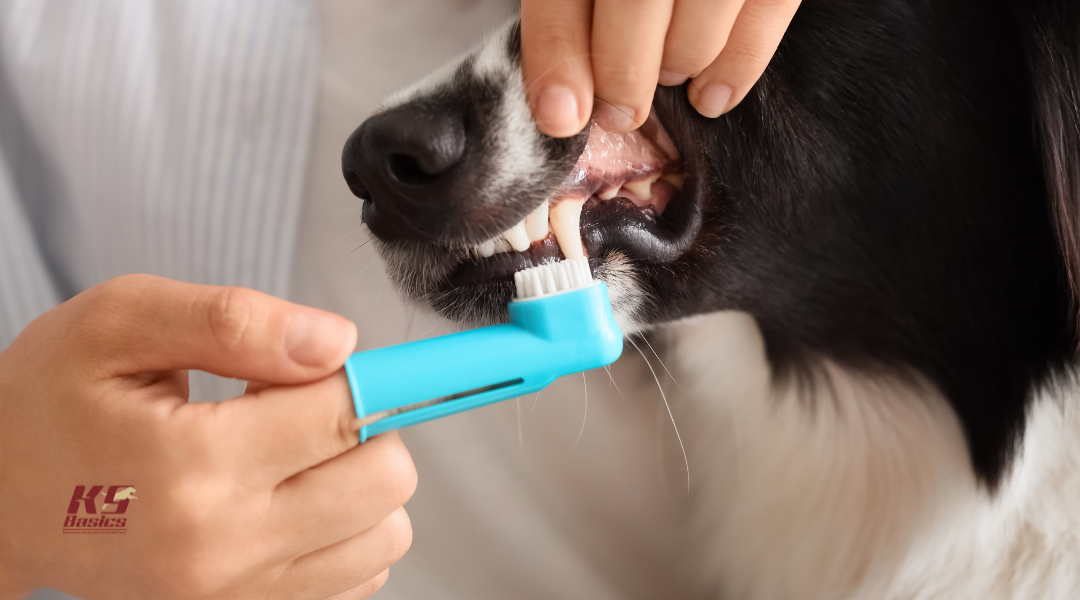
The tools used during tooth brushing training can strongly influence how a dog responds to the process. Introducing the wrong tool too early or using equipment that feels invasive can increase resistance and slow progress.
Early stages of dental training should focus on comfort and familiarity rather than efficiency. Tools that feel less threatening allow dogs to remain relaxed while they learn that mouth handling is safe and predictable. Choosing beginner-friendly options supports positive association and makes it easier to progress without creating stress.
Flavored Toothpaste Helps Reduce Resistance
Flavored toothpaste plays an important role in changing how dogs perceive tooth brushing. Dog safe toothpaste is designed to taste appealing, which helps shift the experience from something dogs tolerate to something they willingly engage with.
Introducing toothpaste before any brushing takes place allows dogs to associate dental care with a positive reward. Allowing a dog to lick toothpaste from a finger or tool helps create anticipation rather than avoidance. This approach reduces tension and encourages voluntary participation instead of restraint.
Using toothpaste as part of the training process reinforces calm behavior and supports desensitization by pairing mouth handling with something the dog enjoys.
Finger Toothbrushes Are Ideal for Beginners
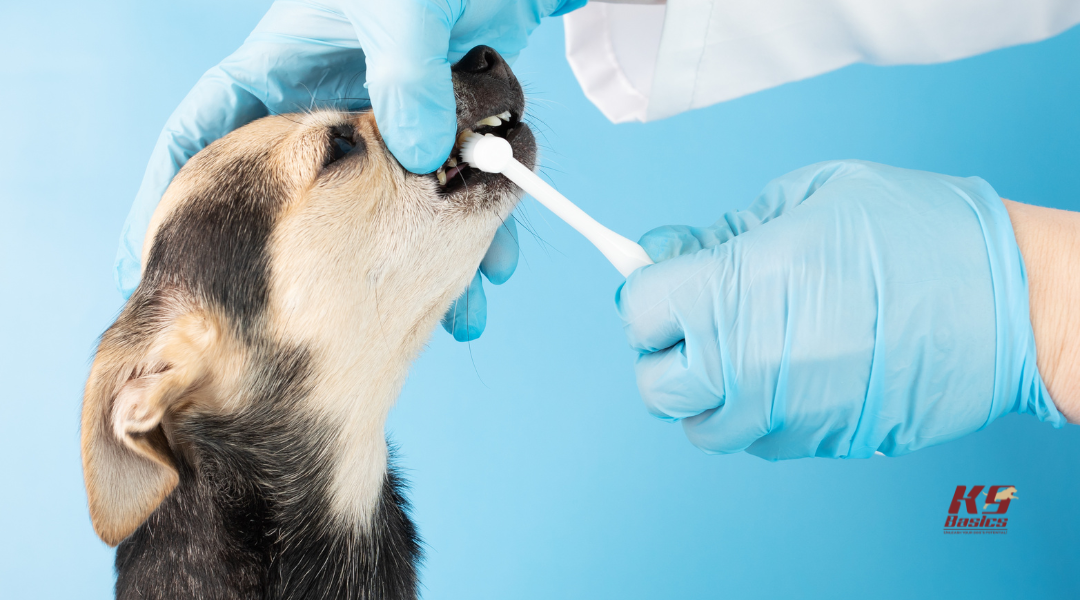
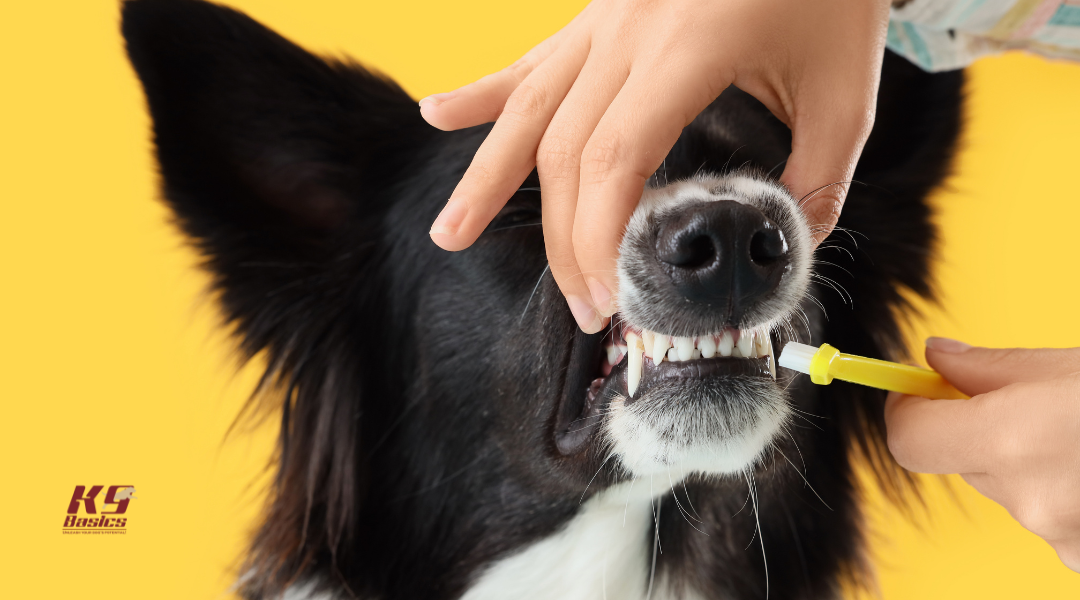
Finger toothbrushes are often easier for dogs to accept than traditional handled brushes, especially in the early stages of training. Because they sit directly on the handler’s finger, they allow for better control and gentler pressure.
This tool feels more natural to dogs and is less intrusive than a long brush entering the mouth. It also allows handlers to better read their dog’s comfort level and adjust pressure or duration in real time.
Starting with a finger toothbrush supports gradual desensitization and helps dogs build confidence with the sensation of brushing before transitioning to other tools if needed.
30-Day Tooth Brushing Challenge
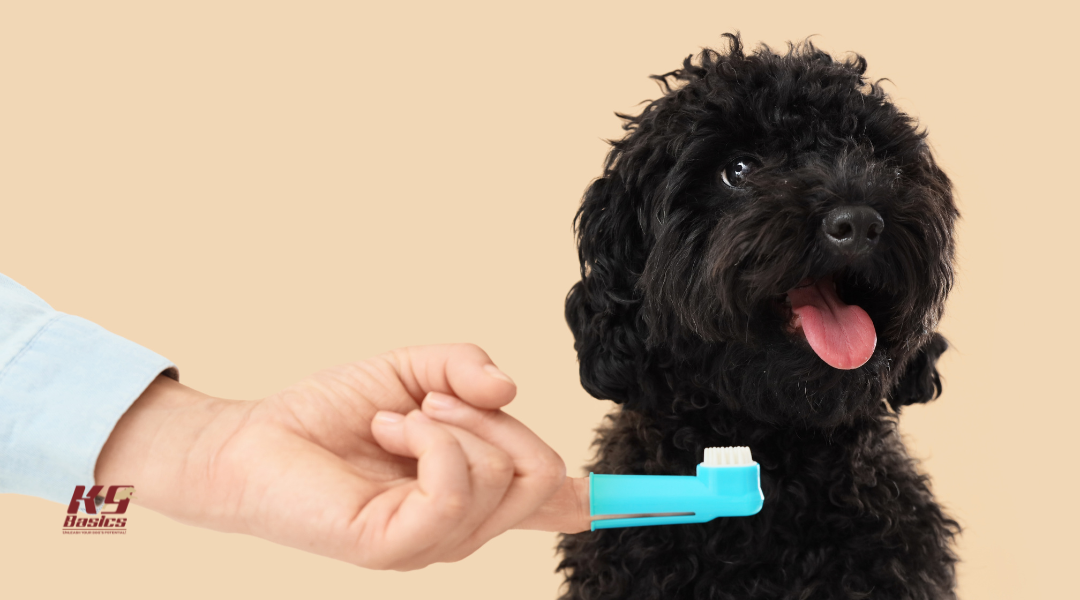
The February 30-day tooth brushing challenge is designed to help dogs gradually accept dental care without stress or force. Rather than focusing on brushing teeth perfectly, the challenge emphasizes building comfort, trust, and predictability through small daily interactions.
By using National Pet Dental Health Month as a structured reset, owners are encouraged to approach tooth brushing as a training process rather than a task to rush or avoid. The goal is to create a calm routine that supports long-term dental care and cooperative handling.
Short Daily Sessions Build Tolerance Over Time
Short daily sessions are more effective than occasional longer attempts. Brief interactions allow dogs to stay relaxed and prevent overwhelm while still creating consistent exposure.
Daily repetition helps dogs understand what to expect and reduces uncertainty. Over time, this predictable routine lowers stress and increases tolerance. Even sessions lasting less than a minute can contribute to meaningful progress when they are calm and positive.
Consistency Matters More Than Perfection
Consistency helps dogs feel secure during training. Practicing a small step each day reinforces familiarity and builds confidence, even if progress feels slow.
Perfection is not required for success. Skipped days or stalled progress do not mean failure. What matters most is returning to the routine calmly and continuing to work at the dog’s comfort level.
Step-by-Step Progression Over 30 Days
Week 1: Calm Mouth Handling and Predictable Touch
Focus: neutrality and comfort with contact around the face and mouth.
- Touch the chin, cheeks, and muzzle briefly, then reward.
- Lift the lip for one second, reward, and stop.
- Build to a few seconds of gentle lip lifts on both sides.
Goal by the end of the week: your dog stays relaxed while you handle the muzzle and lift lips without pulling away.
Week 2: Toothpaste as the Reward and the Cue
Focus: make toothpaste the reason your dog opts in.
- Offer a tiny amount of dog-safe flavored toothpaste on your finger and let your dog lick it.
- Pair a short lip lift with an immediate toothpaste lick.
- Lightly rub toothpaste along the outer gumline with a fingertip, then stop.
Goal by the end of the week: your dog happily approaches when toothpaste appears and accepts brief gumline contact.
Week 3: Introduce the Finger Toothbrush Without Pressure
Focus: adding the tool while keeping the dog calm and willing.
- Let your dog sniff the finger toothbrush, then reward.
- Put toothpaste on the finger brush and allow licking first.
- Touch the outer teeth for one second, reward, and stop.
- Gradually increase to a few gentle passes over the outer teeth only.
Goal by the end of the week: your dog accepts the finger toothbrush on the outer teeth with minimal or no resistance.
Week 4: Build a Simple Brushing Routine That Stays Stress-Free
Focus: routine, duration, and smoother transitions.
- Increase brushing time in small increments, keeping sessions short.
- Brush outer teeth in sections: one side, then the other, then front teeth if tolerated.
- Introduce a clear start cue and end cue so your dog knows what to expect.
- If your dog stays relaxed, begin reducing treats slightly, but keep praise and a positive finish.
Goal by the end of the week: your dog accepts a brief, repeatable brushing routine as part of normal handling.
How Handler Calmness Affects Tooth Brushing Success
A dog’s response to tooth brushing is strongly influenced by the handler’s emotional state. Dogs are highly attuned to changes in body language, breathing, and muscle tension. When a handler approaches dental care feeling stressed, rushed, or uncertain, dogs often mirror that tension.
Calm, neutral handling helps dogs stay regulated. Moving slowly, keeping breathing steady, and maintaining a relaxed posture signals safety and predictability. This allows dogs to process each step of tooth brushing without becoming defensive or avoidant.
When handlers remain patient and composed, dogs are more likely to cooperate and recover quickly if a session does not go as planned. Calm handling turns tooth brushing into a routine interaction rather than a source of conflict.
Setting Realistic Expectations for Long-Term Success
Tooth brushing is a skill that develops over time, not a behavior that appears all at once. Progress is rarely linear, and setbacks are normal, especially during periods of routine change, stress, or illness.
Success should be measured by a dog’s comfort level rather than how much brushing is completed. A dog that calmly accepts brief handling is making meaningful progress, even if full brushing is not yet possible.
Some Dogs Need More Time Than Others
Dogs differ in sensitivity, past experiences, and tolerance for handling. Puppies introduced early often progress quickly, while adult dogs or dogs with limited handling history may need extended desensitization.
Individual pace matters more than comparison. Moving too quickly can increase resistance and delay long-term success. Allowing extra time for dogs that need it helps build trust and prevents setbacks that can be harder to undo.
When to Get Professional Help With Handling or Desensitization
Some dogs need more than at-home practice to become comfortable with mouth handling and dental care. When stress responses persist despite slow, thoughtful training, professional support can help prevent the issue from escalating.
Our K9 Basics team works with dogs at their individual comfort level, using structured desensitization and calm handling techniques that prioritize safety and trust. Support is focused on teaching dogs how to remain regulated during close handling rather than forcing tolerance.
Signs Your Dog Needs Structured Training Support
- Freezing, growling, or snapping during mouth handling
- Consistent avoidance, such as pulling away or leaving the area
- Escalating stress even with short, calm sessions
- Difficulty settling when handled by different family members
These behaviors indicate that a dog may need a more guided approach with clear structure and professional oversight.
How a Qualified Trainer Can Make Dental Care Easier and Safer
The K9 Basics team brings formal training experience and proven handling protocols to desensitization work. We assess both the dog and the handler, ensuring that timing, pressure, and progression are appropriate for the individual dog.
Our approach focuses on teaching dogs to remain calm during necessary handling while helping owners develop confident, consistent technique. With the right structure and guidance, dental care becomes a manageable part of everyday life rather than a recurring source of stress.

Build Better Handling Skills With Professional Training at K9 Basics!
Call us at (866) 592-2742 or, if you’re from New Jersey, Pennsylvania, Delaware, or New York, visit us at 131 Kennilworth Road, Marlton, NJ 08053, to learn more about our group training classes.
Also, browse our blog and social media for various topics about dogs and their lives with us!