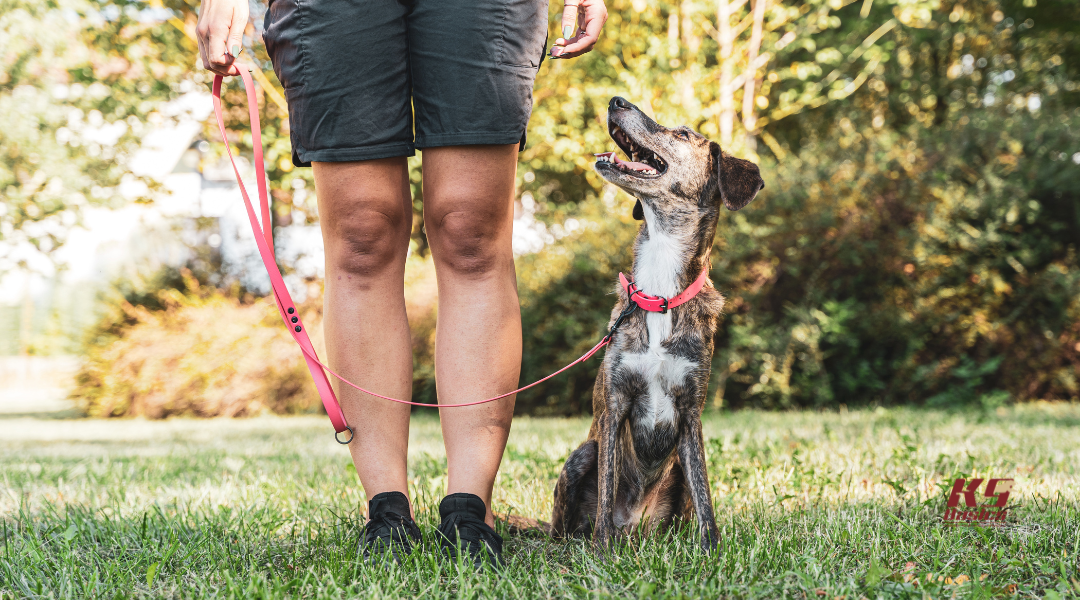
When dogs struggle with training, it’s rarely about stubbornness or defiance. From genetics and age to motivation, emotional state, and consistency, many factors influence how quickly a dog learns. This guide breaks down nine common reasons dogs progress at different speeds—and explains how tailored training leads to better, lasting results.
Most dog training struggles don’t come from lack of effort—they come from lack of structure. This 2026 month-by-month training blueprint helps dog owners move from reactive fixes to intentional progress, building reliable skills, confidence, and calm behavior throughout the year with guidance from K9 Basics Training.
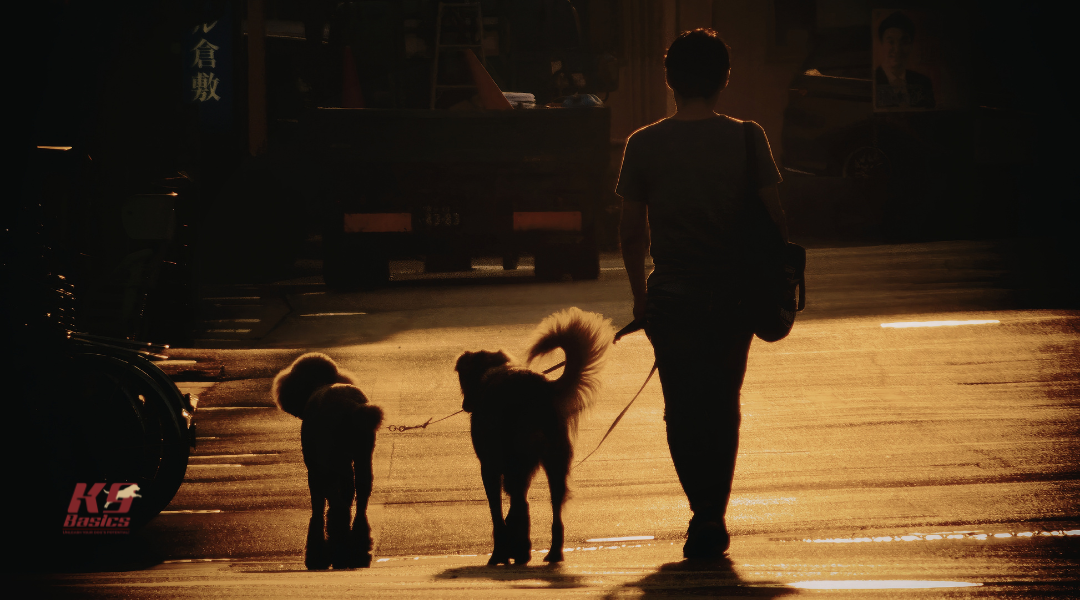
Dark-evening dog walks come with unique challenges, including limited visibility, wildlife distractions, traffic risks, and sudden reactions. This article covers essential safety gear, smart route selection, and obedience training strategies that help keep nighttime outings calm, controlled, and safe for both dogs and their owners.
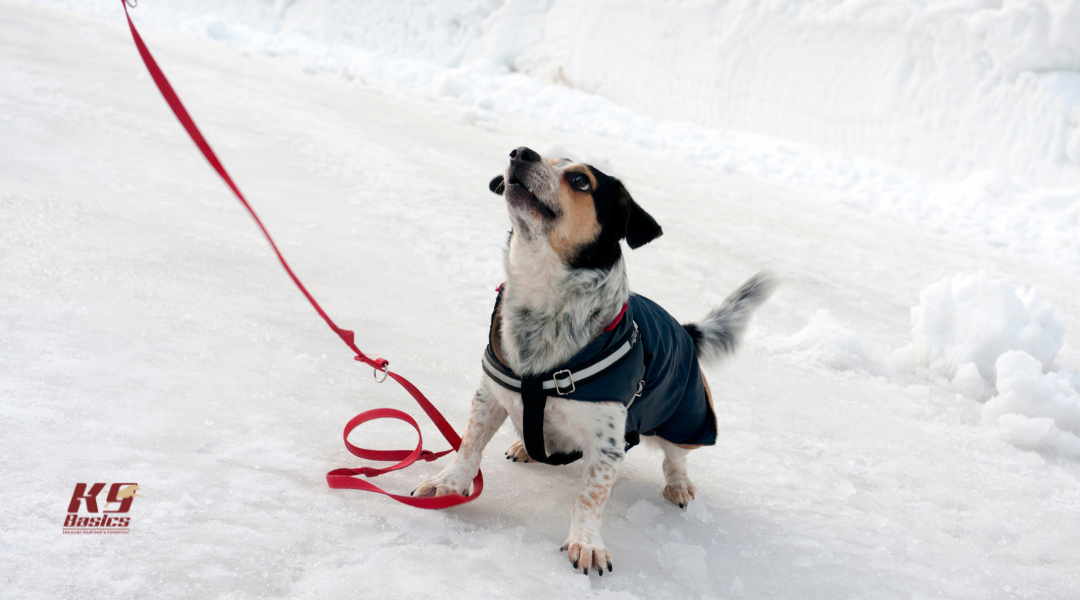
Winter often disrupts dogs’ routines, leading to obedience regression marked by restlessness, chewing, leash pulling, and loss of focus. This article explains why winter regression happens and how indoor training, mental stimulation, and short daily sessions can rebuild structure, reinforce obedience, and turn the cold months into a powerful training advantage.