
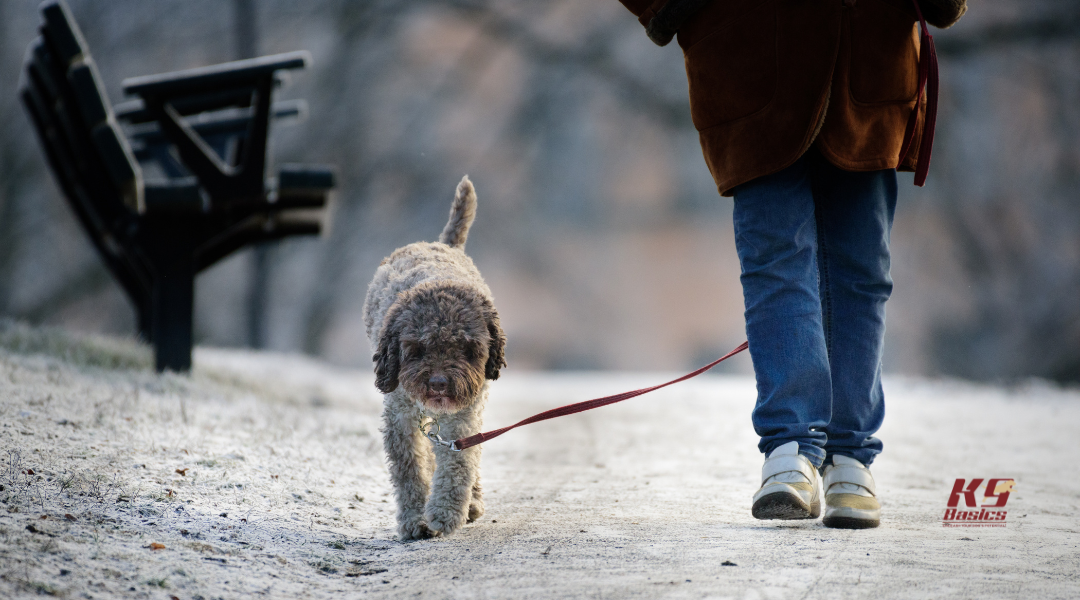
If your dog suddenly slows down, refuses to budge, or gives you “the look” when it’s time for a winter walk, you’re not alone. Many dogs struggle with the shift to cold weather, and their reluctance often stems from real discomfort, uncertainty, or unfamiliar sensory changes.
From sensitive paws on icy ground to sudden temperature drops, harsh winds, or unfamiliar winter surfaces, dogs experience the season very differently than we do. Some breeds thrive in the cold, while others want nothing to do with it. And when walks become uncomfortable or overwhelming, avoidance is their natural response.
Understanding why this happens is the key to helping your dog feel safe, confident, and willing to venture out, even when the weather isn’t ideal. Let’s break down what’s really going on and how you can make walks easier for your dog.

Why Some Dogs Resist Winter Walks
Cold temperatures create natural discomfort for certain breeds
Not every dog adapts easily to the drop in temperature. Many dogs don’t enjoy the sensation of cold air, icy wind, or chilly surfaces. When their bodies tense up, or they begin to shiver, winter walks become uncomfortable rather than enjoyable, and avoiding them is a perfectly natural reaction.
Short-haired and small dogs are not genetically built for the cold
Breeds like Chihuahuas, short-haired pointers, and other thin-coated dogs aren’t designed for harsh winter conditions. Unlike huskies, Malamutes, or Great Pyrenees, they lack the dense insulation that protects against cold weather. As Arnold mentioned, these smaller dogs often physically show their discomfort: shivering, curling into tight balls, or avoiding the outdoors altogether.
Foot sensitivity and cold pavement can cause hesitation or paw-lifting
When a dog repeatedly lifts one paw or refuses to step forward, it’s often because the cold ground is genuinely uncomfortable. Ice, salt, and freezing pavement can sting sensitive paws, making even a short walk feel unpleasant. Without protection like booties or paw wax, many dogs hesitate simply because each step hurts.

6 Physical Signs Your Dog Is Struggling With the Weather
- Shivering
A clear indicator that your dog is too cold. Shivering shows their body is working overtime to generate warmth, a sign they’re uncomfortable and need protection or a shorter outing. - Paw-lifting
When dogs alternate lifting their paws or refuse to place them on the ground, it often means the pavement is too cold or icy. This is especially common in small or short-haired breeds with more sensitive feet. - Curling tightly into a ball
Dogs instinctively curl their bodies to conserve heat. If your dog is shrinking into the smallest ball possible, they’re signaling that the cold is getting to them. - Tucked ears
Pinned-back or tucked ears are a subtle sign of stress, discomfort, or uncertainty. Cold wind and unpleasant temperatures can make dogs withdraw physically and emotionally during winter walks. - Squinting
Harsh winter wind, sleet, or cold rain can make dogs squint or narrow their eyes. This is a sign the environment feels unpleasant or overwhelming. - Hesitant body language on walks
Slowing down, pulling back, freezing in place, or moving reluctantly all indicate your dog isn’t confident or comfortable outside. Many dogs show this hesitation before full avoidance behavior sets in.
Breed Differences: Why Some Dogs Love Winter and Others Hate It
Not all dogs experience winter the same way. Cold-weather breeds like Siberian Huskies, Malamutes, and Great Pyrenees often come alive as temperatures drop. Their dense double coats and natural insulation make winter their favorite season, these are the dogs you see bouncing through snow with excitement, eager for long outdoor sessions.
On the other hand, short-coat, thin-coat, and small breeds usually need far more support. Chihuahuas, short-haired pointers, and many toy breeds simply aren’t genetically built for freezing temperatures. Without the insulation of a thick coat, the cold penetrates quickly, leading to shivering, paw-lifting, and an overall reluctance to be outside. They feel the sting of winter much sooner and much more intensely.
Understanding your dog’s natural cold tolerance is key to creating a smart winter training plan. Some dogs thrive outdoors and benefit from extended activity, while others require added protection, shorter sessions, and more indoor mental work. When you know what your dog’s body is designed for, you can tailor their routine to keep them comfortable, confident, and willing to walk, even when the weather shifts.

Practical Solutions to Help Your Dog Enjoy Winter Walks
Helping your dog enjoy winter walks starts with gradual conditioning. Instead of suddenly exposing them to long outings in freezing weather, introduce short sessions that build their comfort level slowly. This approach allows dogs, especially sensitive breeds, to adapt without becoming overwhelmed or stressed.
Foot protection is another game-changer. Doggy booties help shield paws from cold pavement, ice melt, and harsh surfaces that cause hesitation and paw-lifting. For many dogs, simply adding this layer of protection turns a miserable walk into a manageable one.
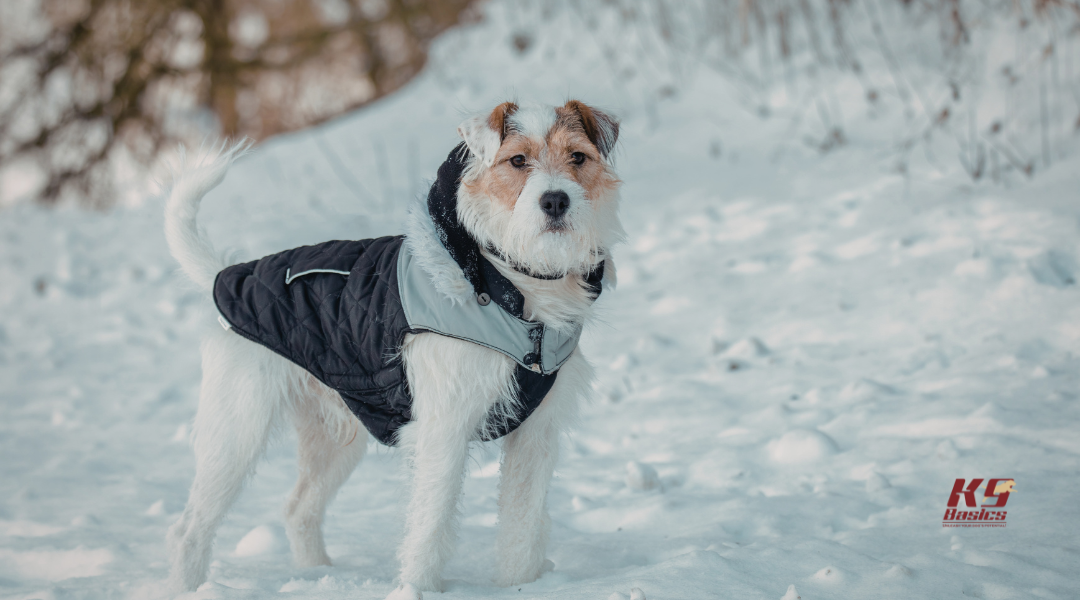
Clothing also makes a significant difference for breeds that struggle with the cold. Sweaters, jackets, and raincoats keep body temperature stable and help dogs feel more willing to tackle winter environments. Even dogs who dislike the cold rain or wind often become more energetic and confident once properly outfitted.
With thoughtful preparation and the right gear, winter walks can transform from a dreaded chore into a positive, manageable part of your dog’s routine.
K9 Basics’ Training Strategies to Improve Confidence and Comfort
At K9 Basics, trainers look beyond the surface to understand why a dog is struggling with winter walks. They can quickly identify whether the hesitation stems from fear, temperature sensitivity, past experiences, or simply a habit the dog has developed over time. Pinpointing the root issue allows them to tailor training to what your dog truly needs, rather than relying on guesswork.
Their structured training environments play a major role in building confidence. Instead of rushing a dog into uncomfortable conditions, K9 Basics introduces cold-weather exposure in controlled, manageable ways. Dogs learn how to navigate new sensations, temperatures, and surfaces without becoming overwhelmed, helping them develop resilience and trust at their own pace.
With both indoor and outdoor setups designed for winter challenges, K9 Basics offers the perfect balance of comfort and progression. Dogs who struggle with the cold can start indoors before gradually transitioning outside, while winter-loving breeds can take advantage of safe, open fields to burn energy. This thoughtful, step-by-step approach helps every dog feel more secure, capable, and ready to face winter walks with confidence.
Help Your Dog Enjoy Winter Walks Again With K9 Basics
Discover the physical, behavioral, and psychological reasons why some dogs resist cold-weather walks, and explore practical training strategies and environmental modifications to help your dog enjoy winter exercise safely.
Call us at (866) 592-2742 or, if you’re from New Jersey, Pennsylvania, Delaware, or New York, visit us at 131 Kennilworth Road, Marlton, NJ 08053, to learn more about our group training classes.
Also, browse our blog and social media for various topics about dogs and their lives with us!