
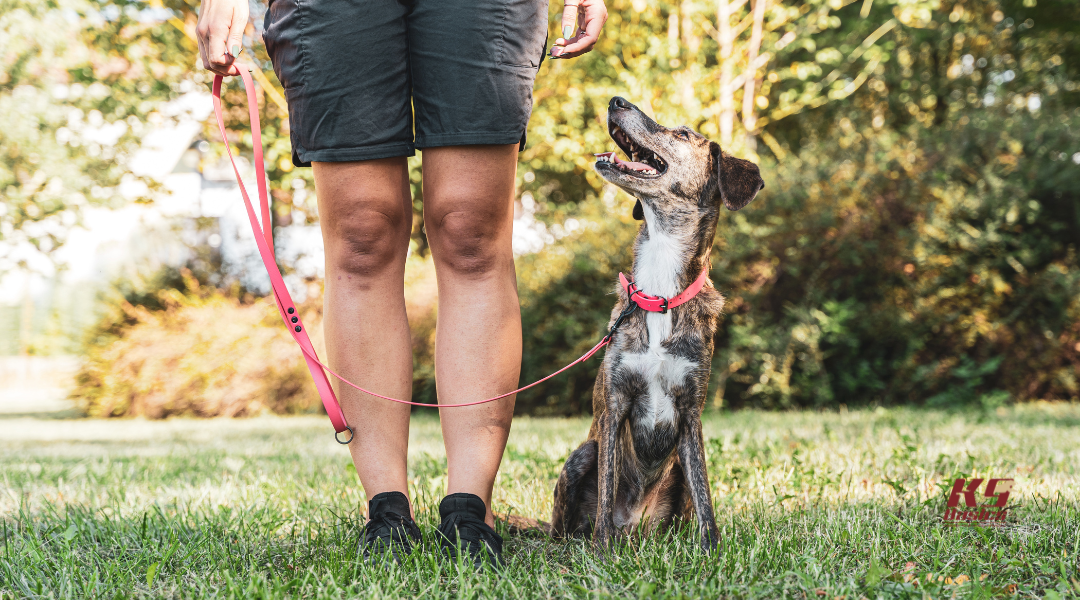
Most dog training problems don’t come from a lack of effort. They come from a lack of a plan.
One week, you work on loose-leash walking. The next week, life gets busy, training slips, and suddenly you’re reacting to behaviors instead of shaping them.
Without clear goals and direction, even well-intentioned training becomes inconsistent, and dogs feel that instability immediately.
This month-by-month training blueprint is designed to help you move from reactive fixes to intentional growth. It aligns with natural training milestones and turns everyday moments into opportunities for better behavior and stronger skills.
Why Every Dog Needs a 2026 Training Blueprint
Dogs thrive on structure, clarity, and consistency. Without a clear training plan, even the most dedicated owners often fall into reactive patterns, addressing problems only after they appear instead of preventing them in the first place.
A year-long plan also helps set realistic expectations. Training is not linear, and meaningful behavior change does not happen overnight. By breaking goals into monthly focus areas, dogs are given time to learn, practice, and generalize skills across different environments and situations.
This approach builds confidence, strengthens communication, and prevents burnout for both the dog and the owner. Instead of jumping between commands or abandoning training during busy seasons, a blueprint keeps progress steady and intentional.

Tracking Progress and Adjusting as the Year Unfolds
A training blueprint is not a rigid checklist. It is a flexible guide that evolves as your dog develops new skills, gains confidence, or encounters challenges.
Paying attention to what is improving and where your dog struggles helps you make informed adjustments instead of pushing forward blindly.
Tracking progress can be as simple as noting small wins, identifying patterns, or recognizing when a goal needs more time. Some months may require slowing down, reinforcing foundations, or revisiting earlier skills.
Others may allow you to move forward more quickly. Adjusting expectations based on your dog’s temperament, age, and emotional state keeps training productive and positive.
January: Build the Foundation (National Train Your Dog Month)
January is about re-establishing structure and consistency. Dogs do best when expectations are clear, and training becomes part of the weekly routine, not something done sporadically.
Focus on basic obedience, daily structure, and rebuilding habits that may have slipped during winter. At K9 Basics, trainers help owners document current behaviors, identify starting points, and set realistic goals tailored to each dog, rather than rushing ahead before foundations are solid.

February: Learn, Educate, and Refine (Dog Training Education Month)
Arnold of K9 Basics stressed that training improves when owners learn how their dog thinks, what motivates them, and how to communicate clearly.
Focus on refining techniques, adjusting reward systems, and recognizing what works and what doesn’t. K9 Basics trainers guide owners through this learning process, helping them track progress, refine their approach, and adapt training plans to match the dog’s temperament, age, and engagement level.
March: Leash Manners and Controlled Walks
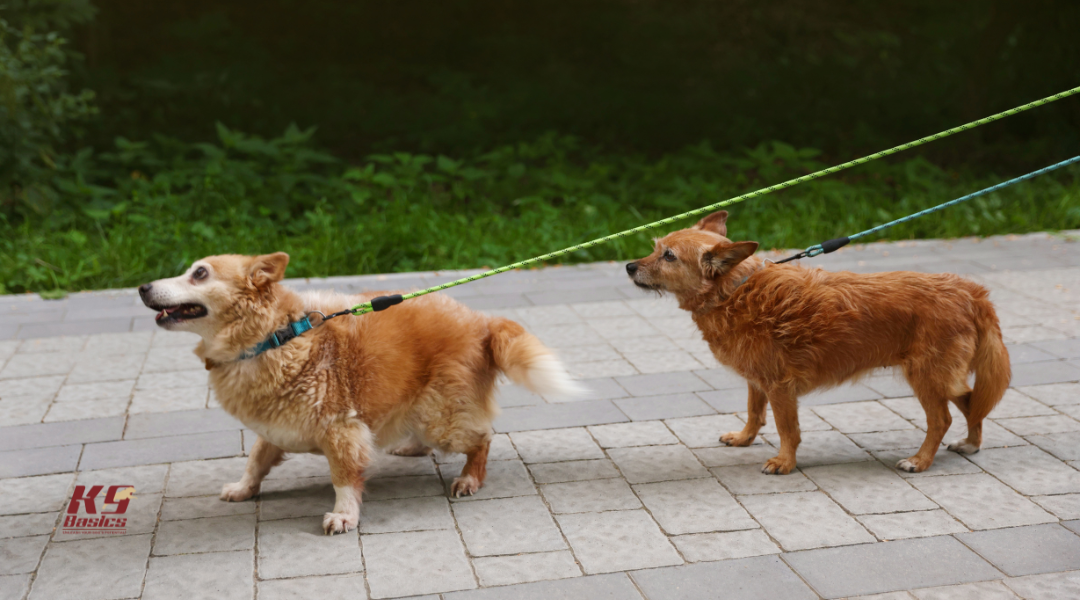
Shift attention to structured walks and leash control. As outdoor activities increase, Arnold highlights the importance of addressing pulling, overexcitement, and a lack of impulse control before they become ingrained habits.
Training during this phase focuses on calm walking, controlled movement, and consistency across environments. K9 Basics helps owners document leash challenges, adjust expectations, and gradually increase difficulty while maintaining control and safety.
April: Focus and Obedience Around Distractions
Obedience must be built first in low-distraction environments before being tested elsewhere. This month emphasizes teaching dogs to respond reliably around people, dogs, and movement without becoming overstimulated.
K9 Basics trainers help owners evaluate where focus breaks down, adjust training intensity, and ensure dogs are not pushed beyond what they are mentally ready to handle.
May: Confidence Building and Exposure
In May, help your dog become comfortable in new situations. Dogs with anxiety, fear, or limited early exposure often need more time and thoughtful progression.
Training during this month focuses on confidence, environmental exposure, and emotional stability. K9 Basics works with owners to document stress signals, pace exposure appropriately, and modify plans so dogs build confidence rather than becoming overwhelmed.
June: Recall and Off-Leash Readiness
June focuses on recall and impulse control, not simply removing the leash. Off-leash freedom must be earned through consistency and reliability, not assumed.
Training this month reinforces recall under increasing distractions and strengthens the dog’s ability to disengage from stimuli.
K9 Basics helps owners track recall reliability, adjust expectations, and determine when a dog is truly ready to progress, ensuring safety and long-term success rather than rushed results.
July: Duration, Place Work, and Impulse Control
Duration work is mentally demanding and incredibly valuable, especially for dogs that struggle with restlessness or impulsivity.
Place commands, extended sits and downs, and waiting calmly while owners move through the home all build self-control.
At K9 Basics Training, trainers help owners document how long dogs can reliably hold positions and adjust expectations based on the dog’s maturity, drive level, and emotional state rather than forcing progress too quickly.
August: Advanced Obedience and Skill Expansion
August is about layering skills and increasing complexity without overwhelming the dog. This may include chaining commands together, adding distance, or practicing obedience in more stimulating environments.
Not every dog progresses at the same speed, and this phase requires flexibility. K9 Basics works with owners to evaluate whether a dog is ready to advance or needs more reinforcement at earlier stages, ensuring progress stays productive and confidence remains intact.
September: Social Skills and Public Manners
Emphasize neutrality and calm behavior around people, dogs, and everyday activity. Rather than forcing interaction, the goal is to teach dogs how to exist calmly in shared spaces.
Arnold highlighted that many behavior issues stem from overstimulation or poor impulse control in public settings. Training during this month focuses on observation, controlled exposure, and reinforcing calm responses.
K9 Basics helps owners track social progress, identify stress signals, and adjust exposure levels so dogs learn without becoming overwhelmed.

October: Titles, Certifications, or Personal Goals
October is a natural checkpoint for dogs working toward formal achievements or meaningful personal goals. Whether it is preparing for Canine Good Citizen, trick titles, therapy work foundations, or simply achieving reliable obedience at home, this month centers on purpose-driven training.
It’s important to have clear goals and realistic timelines. K9 Basics assists owners in outlining requirements, documenting readiness, and determining whether a dog should move forward or continue building foundational skills.
November: Proofing and Consistency Under Pressure
November tests how well training holds up when routines become busy and distractions increase. As schedules change and maintaining consistency becomes harder, this phase focuses on reinforcing obedience despite interruptions. Arnold explains that this is where gaps in training often show up.
K9 Basics supports owners by helping identify weak areas, reinforcing accountability, and adjusting plans so progress continues even during high-stress or inconsistent periods.
December: Review, Reset, and Prepare for the New Year
December is about reflection and recalibration, not pushing new goals. This month focuses on reviewing progress, identifying what worked, and recognizing where adjustments are needed.
K9 Basics encourages owners to document wins, reassess expectations, and set realistic priorities for the year ahead, creating a smoother transition into the next training cycle rather than starting from scratch.
Setting the Stage for Continued Success in 2027 with K9 Basics!
Call us at (866) 592-2742 or, if you’re from New Jersey, Pennsylvania, Delaware, or New York, visit us at 131 Kennilworth Road, Marlton, NJ 08053, to learn more about our group training classes.
Also, browse our blog and social media for various topics about dogs and their lives with us!