
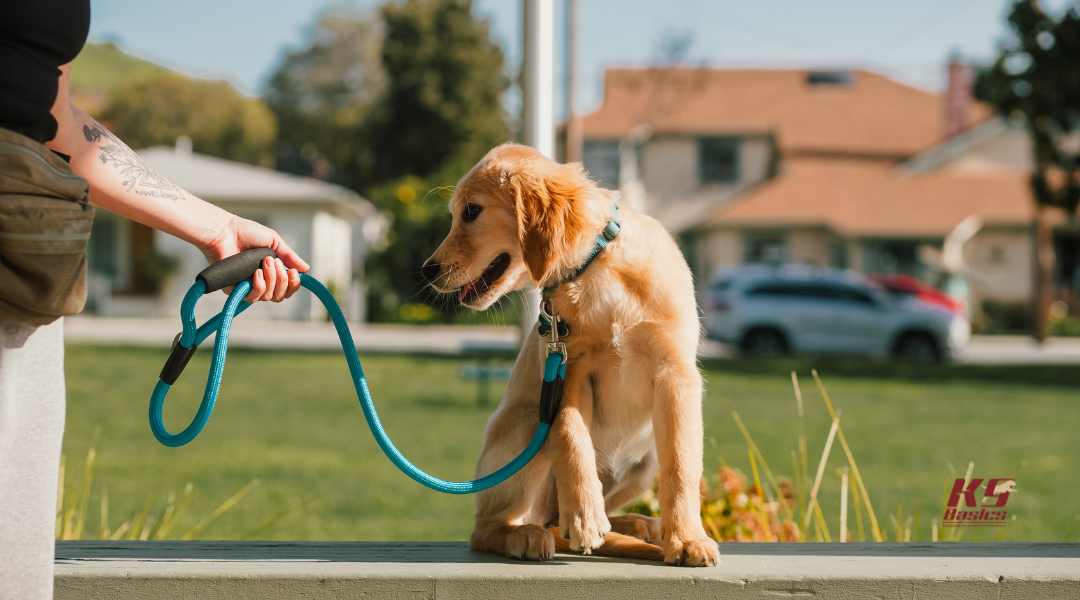
Spring is one of the most popular times to bring home a new puppy.
New owners are surprised to learn that the first few weeks at home are a powerful opportunity to shape their dog’s behavior and set the foundation for a lifetime of success.
Before 16 weeks of age, puppies are in a critical developmental phase in which they are learning recall, what is safe and normal, and how to respond to the world around them.
A structured Puppy Preschool program gives your puppy the exposure they need in a safe, controlled setting while helping them begin to build focus, confidence, tricks, and early obedience.
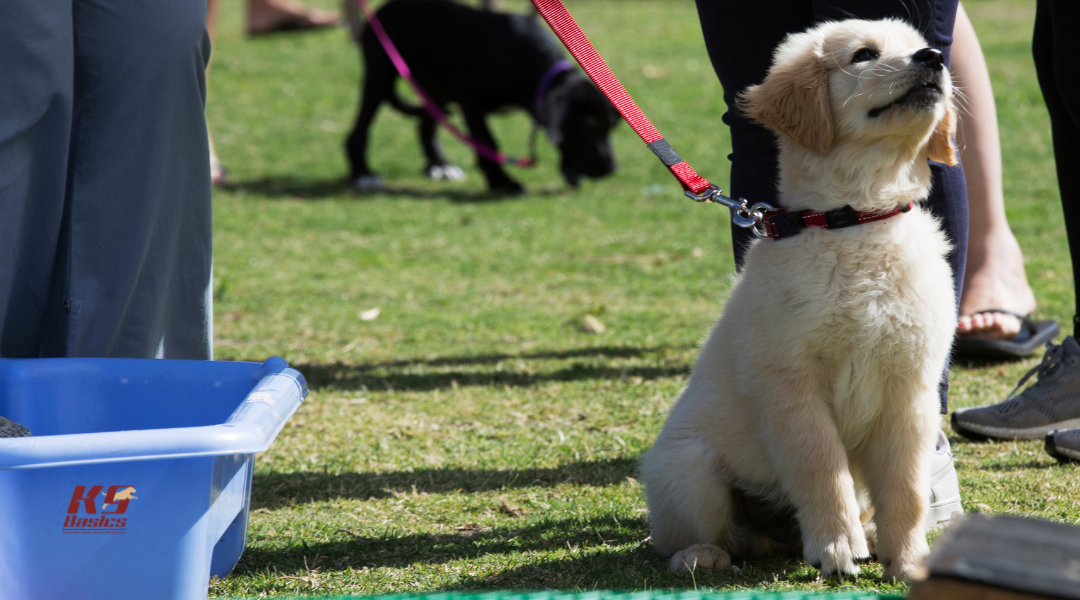
The First 16 Weeks: Your Dog’s Most Important Learning Window
The first 16 weeks of a puppy’s life shape how they respond to people, environments, and everyday situations.
During this stage, their brain is highly receptive to new experiences. Positive exposure builds confidence, while a lack of exposure can lead to uncertainty.
During this period, your puppy learns how to handle pressure, recover from new situations, and stay calm in unfamiliar environments. Structured guidance during this time helps prevent confusion and builds a stable foundation for future training.
What Happens If You Miss Early Socialization?
When puppies are not properly socialized during this early stage, they do not simply “catch up” later. Instead, they begin to form their own responses to the world, often based on limited or negative experiences.
Without guidance, normal situations can feel overwhelming. This can lead to avoidance, overexcitement, or defensive behavior that becomes harder to change as the dog matures.
Fear, Reactivity, and Poor Behavior Patterns
Dogs that lack early exposure are more likely to react unpredictably. They may become fearful around new people, anxious in busy environments, or reactive toward other dogs.
These responses are not random. They come from a lack of understanding and confidence. Over time, repeated reactions can turn into consistent behavior patterns that affect daily life.
Why “Waiting It Out” Often Makes Things Worse
Many owners hope their puppy will grow out of these behaviors with time. In reality, the opposite tends to happen. As the dog gets older, their reactions become more ingrained and more difficult to change.
Avoiding situations or delaying training reduces opportunities for learning. Early structure and exposure are far more effective than trying to correct established behavior later.
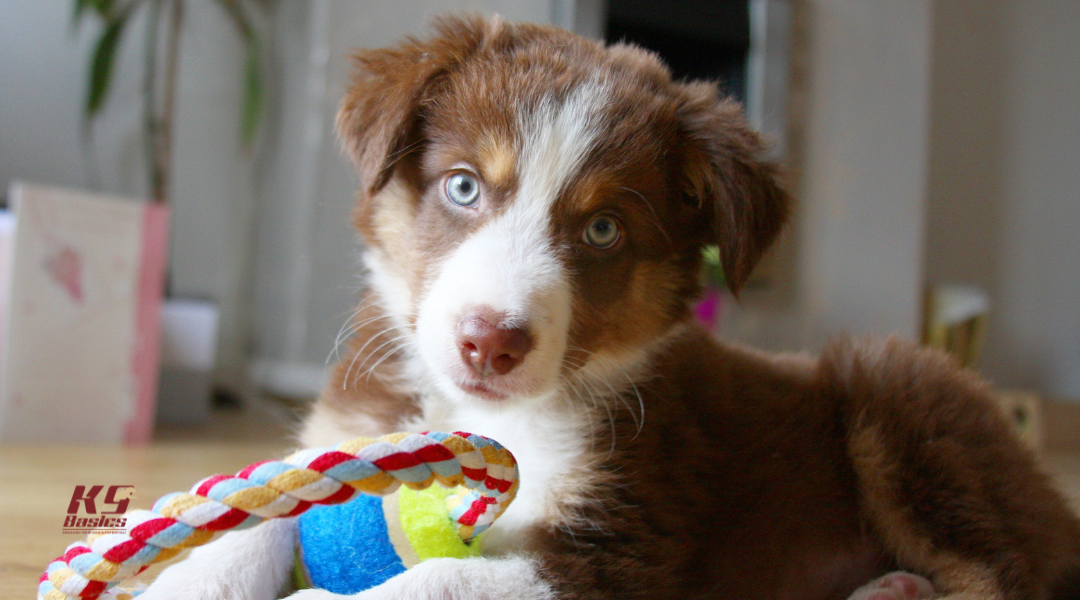
Proper Puppy Socialization
Proper socialization teaches your puppy how to move through the world in a calm and controlled way. It is not simply exposure for the sake of exposure.
The goal is to create positive, structured experiences that help your puppy understand what is expected of them in different situations.
This process should be gradual and intentional. Each interaction should build on the last, helping your puppy stay engaged without becoming overwhelmed. When done correctly, socialization creates a dog that can adapt, focus, and remain steady in new environments.
Exposure to Dogs, People, Environments, Sounds, and Pressure
A well-socialized puppy is introduced to a wide range of experiences. This includes other dogs, different types of people, new environments, everyday sounds, and physical handling.
These exposures need to be controlled. Too much intensity too quickly can create stress, while the right level of challenge helps your puppy learn to stay calm. Teaching your dog to handle mild pressure, such as being held, guided, or redirected, is just as important as social interaction.
Building Confidence, Not Just Familiarity
Seeing something once does not mean a puppy is comfortable with it. Confidence comes from repeated positive experiences in which the puppy remains calm and responsive.
The goal is not just familiarity, but stability. A confident dog does not rely on constant reassurance. Instead, they are able to process new situations without becoming anxious or reactive. This lays the foundation for reliable behavior as your dog grows.
Puppy Preschool is a Safe, Smart Start
Puppy Preschool gives your dog the structure and guidance needed during the most important stage of development. It provides a controlled environment where puppies can learn, interact, and build confidence without the risks that come with unregulated spaces.
Instead of guessing what your puppy needs, you are working within a system designed to develop calm behavior, clear communication, and consistent responses. This early investment sets the tone for everything that follows.
Structured Socialization Under Professional Guidance
In a professional setting, every interaction is intentional. Puppies are introduced to new experiences at the right pace, with trainers guiding each moment to ensure it remains productive.
This prevents overwhelming situations and reduces the chance of negative experiences. Your puppy learns how to respond appropriately, rather than reacting out of excitement or uncertainty.
Learning Focus, Engagement, and Early Obedience
Beyond socialization, puppies begin to understand how to focus, follow direction, and stay engaged with their handler. These are the building blocks of obedience.
Simple behaviors like paying attention, responding to guidance, and settling in new environments are introduced early. This makes future training more effective and easier to build on.
Preventing Problems Before They Start
Addressing behavior early is far easier than correcting it later. Puppy Preschool helps identify and guide common issues before they become habits.
By setting clear expectations from the beginning, your puppy learns what is acceptable and what is not. This reduces the likelihood of future problems and creates a smoother experience for both dog and owner.
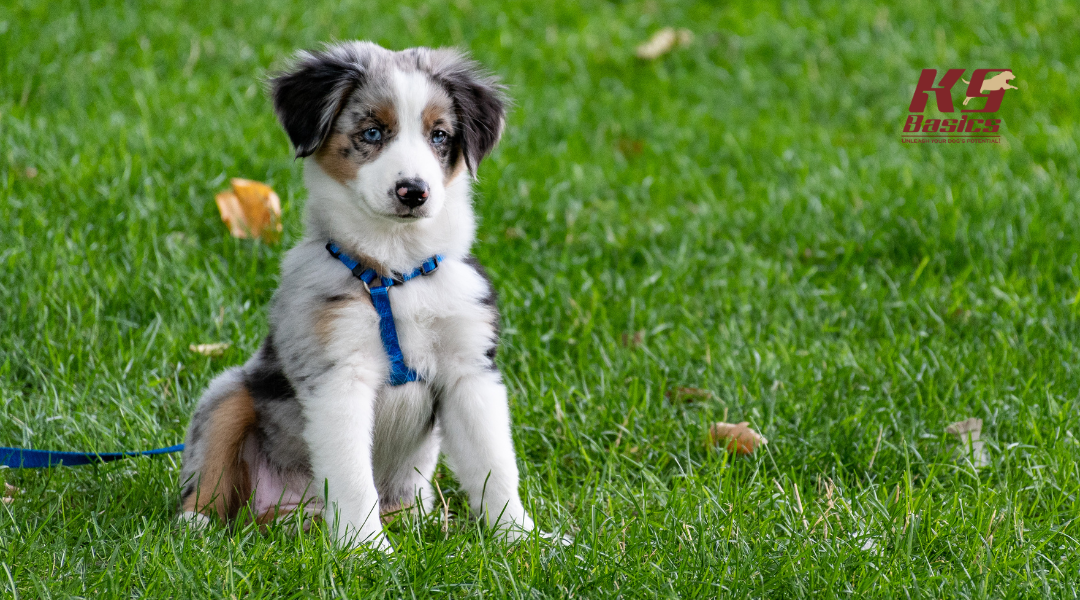
What Makes K9 Basics Puppy Preschool Different
K9 Basics Puppy Preschool focuses on building reliable behavior, not just short-term compliance. The program is designed to prepare puppies for real life, where distractions, movement, and unpredictability are part of everyday situations.
Training is approached with clarity and consistency. Puppies are guided to understand expectations, respond appropriately, and remain steady in different environments. This creates a stronger foundation than approaches that rely only on rewards without structure.
Real-World Training vs. “Treat-Only” Approaches
Many training programs rely heavily on food to manage behavior. While rewards can be useful, they do not always translate into reliable responses outside of controlled settings.
Our K9 Basics team focuses on developing behavior that holds under real conditions. Puppies learn to respond to guidance, maintain focus, and stay composed without relying solely on treats. This leads to more dependable behavior as the dog matures.
An Environment Designed for Success
The training environment is set up to support learning at every stage. Puppies are exposed to controlled distractions, guided interactions, and structured routines that encourage calm behavior.
This setup allows trainers to adjust each session based on the puppy’s needs. The goal is to challenge the dog in a way that promotes growth without creating stress or confusion.
When Should You Start Puppy Training?
Puppy training should begin as early as possible, ideally as soon as your dog comes home. The first few weeks set the tone for how your puppy will learn, respond, and behave moving forward.
Starting early allows you to take advantage of the natural learning window before habits begin to form. Waiting often means working against behaviors that have already developed, which requires more time and effort to correct.
Give Your Puppy the Right Start with K9 Basics
Call us at (866) 457-3815 or, if you’re from New Jersey, Pennsylvania, Delaware, or New York, visit us at 131 Kennilworth Road, Marlton, NJ 08053, to learn more about our group training classes.
Also, browse our blog and social media for various topics about dogs and their lives with us!