
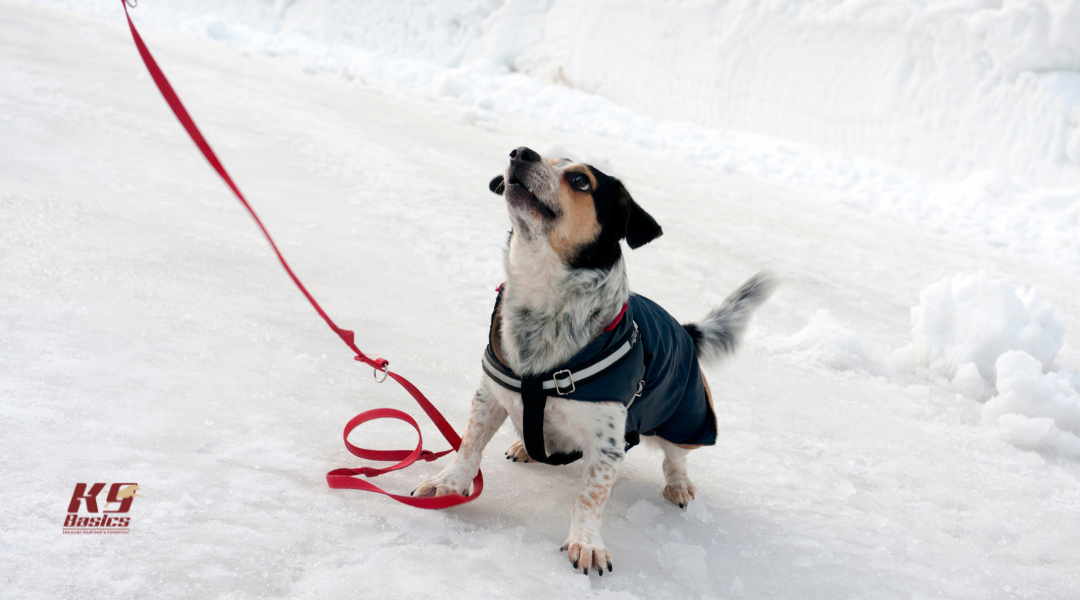
Many dog owners notice the same frustrating pattern: behaviors that seemed “fixed” in fall suddenly resurface in winter.
Chewing, jumping, and restlessness show up seemingly overnight. This isn’t your dog being stubborn or forgetting their training; it’s winter regression.
Walks get shorter or skipped altogether, outdoor training becomes inconsistent, and mental stimulation often drops without us realizing it. For dogs, that loss of structure quickly leads to excess energy, boredom, and backsliding in obedience.
The good news? Winter regression is both common and fixable. With the right approach, you can rebuild structure, maintain obedience, and even use the winter months to strengthen your dog’s foundation for the year ahead. 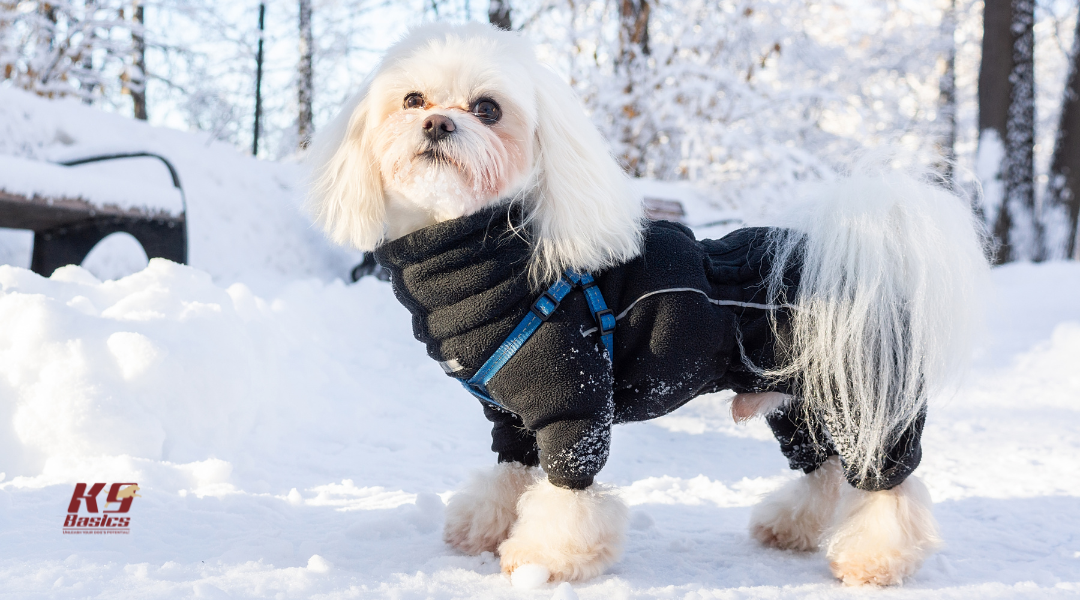
Why Dogs Experience “Winter Regression” in Obedience
Winter regression happens when the structure that supports good behavior quietly breaks down during colder months. Daily routines shift, physical outlets shrink, and mental engagement often decreases.
Dogs thrive on consistency, and when that consistency changes, obedience tends to slip, not because the dog is “being bad,” but because their needs are no longer being met in the same way.
How Cold Weather Disrupts Physical Exercise and Mental Stimulation
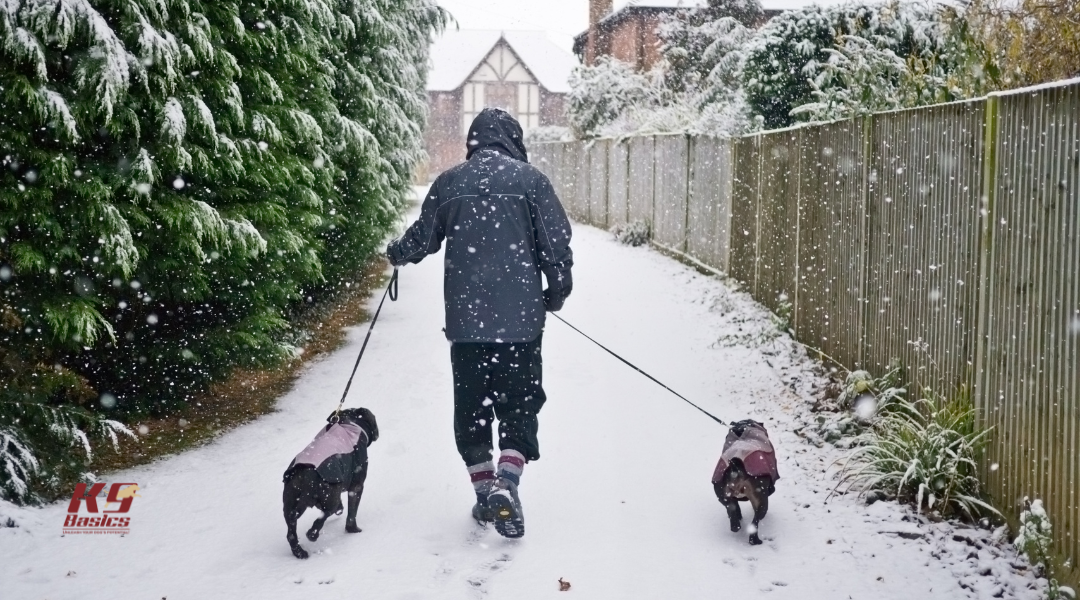
Cold, wind, ice, and early darkness naturally limit how long dogs spend outside. Walks get shorter, play sessions are skipped, and structured training sessions become less frequent.
For many dogs, especially high-energy or working breeds, this means a sudden drop in both physical exertion and mental challenge.
Without enough opportunities to move, problem-solve, and engage with their environment, that unused energy has to go somewhere, and it often shows up as restlessness, frustration, or impulsive behavior indoors.
The Impact of Shorter Walks and Inconsistent Routines
Dogs rely on predictable routines to stay balanced. In winter, schedules tend to fluctuate more: walks happen at different times, training days are skipped due to weather, and outdoor exposure becomes inconsistent.
Even small changes, like replacing a long walk with a quick potty break, can add up over time. When routines become irregular, dogs lose the structure that reinforces obedience, making previously reliable behaviors feel less consistent or harder to maintain.

Common Winter Behavior Issues Dog Owners Notice
When winter limits outdoor activity and disrupts daily routines, many dog owners notice sudden or out-of-character behavior changes. In reality, these behaviors are usually the result of unmet physical and mental needs rather than a breakdown in training.
Chewing, Counter Surfing, and Increased Destructive Habits
One of the first signs of winter regression is an increase in destructive behaviors inside the home. Dogs that are under-stimulated often turn to chewing furniture, stealing items off counters, or getting into things they normally ignore.
These behaviors are a form of self-entertainment. When dogs lose regular outlets for exercise and mental work, they look for ways to stay engaged, even if that means making poor choices.
Leash Pulling and Jumping After Time Indoors
Spending more time inside can lead to pent-up energy that explodes the moment a dog finally gets outside. This often shows up as leash pulling, jumping, or frantic behavior at the start of walks.
Dogs that once walked calmly may suddenly feel harder to control, especially when cold weather limits how often they’re walked or trained. Without consistent reinforcement of leash manners, excitement and lack of impulse control quickly take over.
Loss of Focus and Responsiveness to Commands
Many owners report that their dogs seem to “stop listening” during the winter months. Commands that were once reliable may be ignored, delayed, or inconsistently followed. This loss of focus is often linked to reduced practice and fewer training repetitions.
Obedience is a skill that needs regular reinforcement, and when training sessions become less frequent or less structured, dogs can struggle to maintain the same level of responsiveness, especially in distracting or high-energy moments.
Rebuilding Structure When Outdoor Training Is Limited
When cold weather limits outdoor walks and training sessions, structure has to be rebuilt indoors. Dogs don’t need long or complicated workouts to stay balanced; they need consistency, clear expectations, and purposeful engagement.
By turning everyday spaces inside the home into training opportunities, owners can maintain obedience and prevent winter regression even when outdoor time is minimal.
Indoor Training Drills That Reinforce Obedience
Indoor training works best when it mirrors real-life situations in a controlled environment. Short, focused drills reinforce obedience while giving dogs a job to do, helping replace the structure normally provided by outdoor activity.
Practicing Leash Manners Inside the Home
Many dogs only wear a leash once they step outside, but practicing leash manners indoors can be surprisingly effective. Putting the leash on inside the house allows dogs to work on calm walking, staying in position, and responding to cues without outdoor distractions. This helps reinforce good habits so that when walks do happen, dogs are already in the right mindset.
Using Stairs for Controlled Heeling, Sits, and Recalls
Stairs are an excellent built-in training tool. Dogs can practice controlled heeling up and down steps, sitting halfway through a climb, or waiting at the bottom until called. These exercises challenge balance, focus, and impulse control while also providing light physical exercise. Because stairs are a familiar environment, dogs can concentrate on the commands rather than external distractions.
Teaching Position Holds and Duration Work Indoors
Duration work builds mental endurance and self-control. Asking a dog to hold a sit, down, or place command while the owner moves to another room strengthens focus and reliability. Even though the dog isn’t moving much, the mental effort required to stay in position drains energy and reinforces obedience in a calm, structured way.
Mental Stimulation: The Key to Preventing Winter Regression
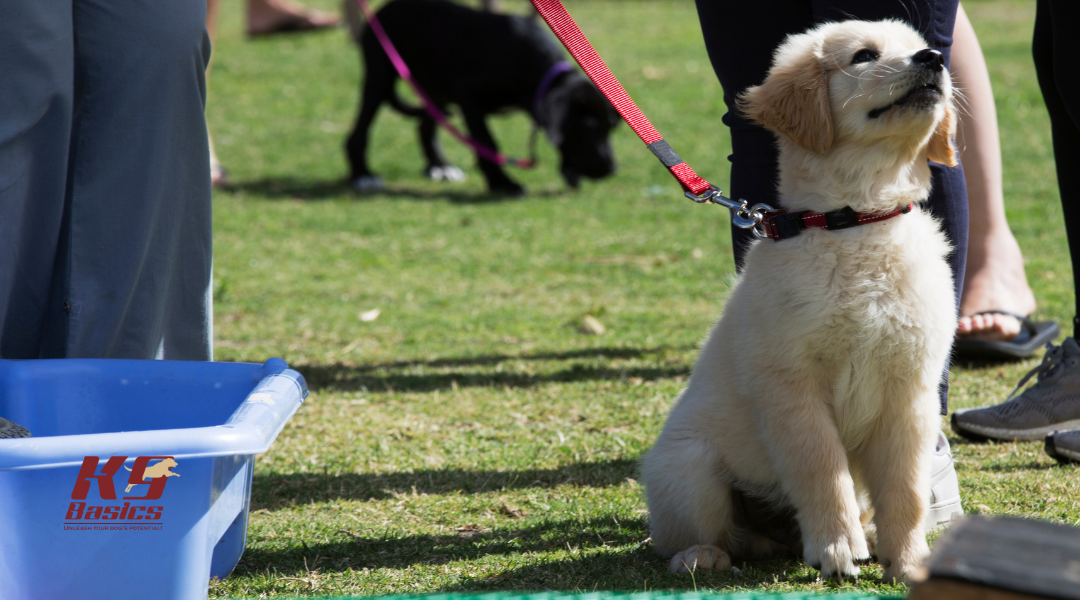
Mental work is often the missing piece during winter months. While physical exercise is important, mental challenges can be even more effective at preventing boredom-driven behaviors when outdoor activity is limited.
Why Mental Work Drains Energy Faster Than Physical Exercise
Thinking is tiring for dogs. Problem-solving, impulse control, and decision-making require focus and effort, often leaving dogs more satisfied than a short walk alone. Incorporating mental exercises into daily routines helps reduce restlessness and supports better behavior throughout the day.
Using Place Commands and Boundary Training Inside
Place commands give dogs a clear job and help create calm structure indoors. Teaching a dog to relax on a bed, mat, or designated area reinforces boundaries and reduces roaming, pacing, and attention-seeking behaviors. Boundary training also teaches dogs to wait, settle, and respect space, which becomes especially important when everyone is spending more time inside during winter.
Creating Simple At-Home Challenges That Build Focus
At-home challenges don’t need special equipment. Hiding toys or treats, setting up basic obstacle courses with household items, or teaching new tricks all engage a dog’s brain and reinforce responsiveness. These small challenges keep training fresh, build confidence, and help maintain obedience even when outdoor routines are disrupted.
Short Daily Training Sessions That Actually Work
Consistency matters far more than length, especially during winter. Short, intentional training sessions woven into the day help dogs maintain skills without overwhelming them or their owners.
Even 10–20 minutes of focused work can reinforce obedience, burn mental energy, and prevent boredom from setting in.
These brief sessions are easier to stick to during cold months and allow dogs to practice commands regularly, keeping behaviors sharp despite reduced outdoor activity.
Creative Indoor Games That Reinforce Obedience
Indoor games are an effective way to blend fun with structure. When games are built around obedience skills, dogs stay engaged while still practicing self-control, focus, and responsiveness. These activities transform downtime into productive training opportunities and help reinforce rules without making training feel repetitive.
Hide-and-Seek and Scent Games for Mental Engagement
Hide-and-seek games tap into a dog’s natural scenting abilities and problem-solving instincts. Hiding toys, treats, or even family members encourages focus, patience, and recall. Dogs must follow cues, search calmly, and respond when called, making these games mentally demanding while still being enjoyable for the whole household.
Teaching New Tricks to Keep Training Fresh
Winter is an ideal time to introduce new tricks. Learning something new challenges a dog’s brain and helps prevent training burnout. Simple tricks like rolling over, spinning, or targeting objects build confidence and improve communication, while also reinforcing the idea that listening leads to rewards, even indoors.
Using Household Items for DIY Indoor Agility
Everyday household items can easily be turned into agility equipment. Chairs can become tunnels, pillows can act as obstacles, and low surfaces can be used for balance work. Guiding dogs through these setups improves body awareness, coordination, and focus while adding variety to indoor training routines. These creative setups help dogs stay physically and mentally engaged when outdoor agility or play isn’t an option.
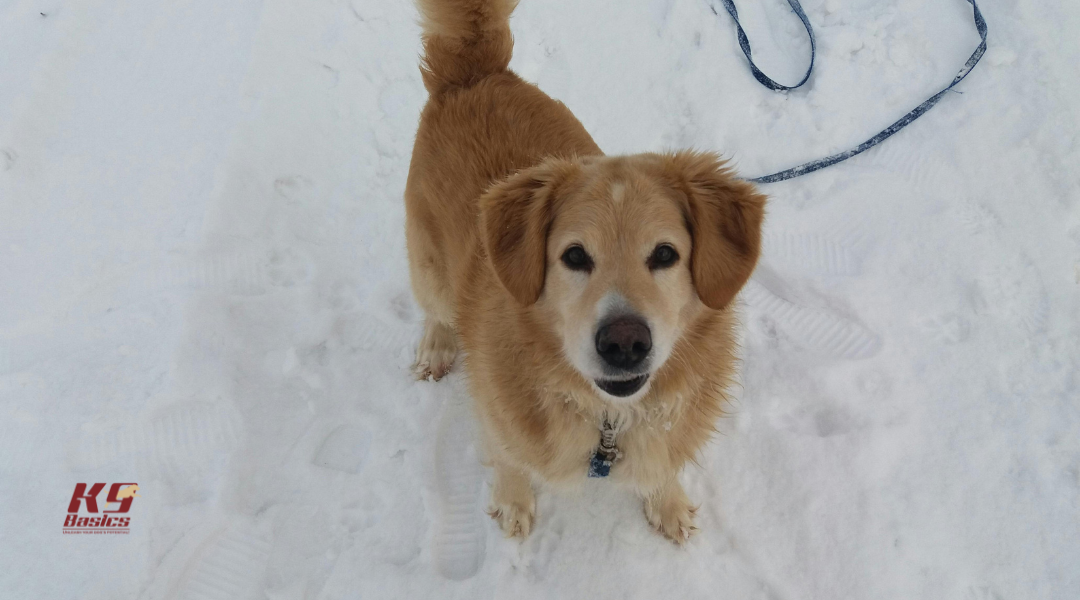
Turning Winter Into a Training Advantage with K9 Basics!
Call us at (866) 592-2742 or, if you’re from New Jersey, Pennsylvania, Delaware, or New York, visit us at 131 Kennilworth Road, Marlton, NJ 08053, to learn more about our group training classes.
Also, browse our blog and social media for various topics about dogs and their lives with us!