Think older dogs can’t learn? Think again. Discover the science behind training adult and senior dogs, how canine brains continue to learn throughout life, and practical ways to keep your dog mentally engaged and confident.
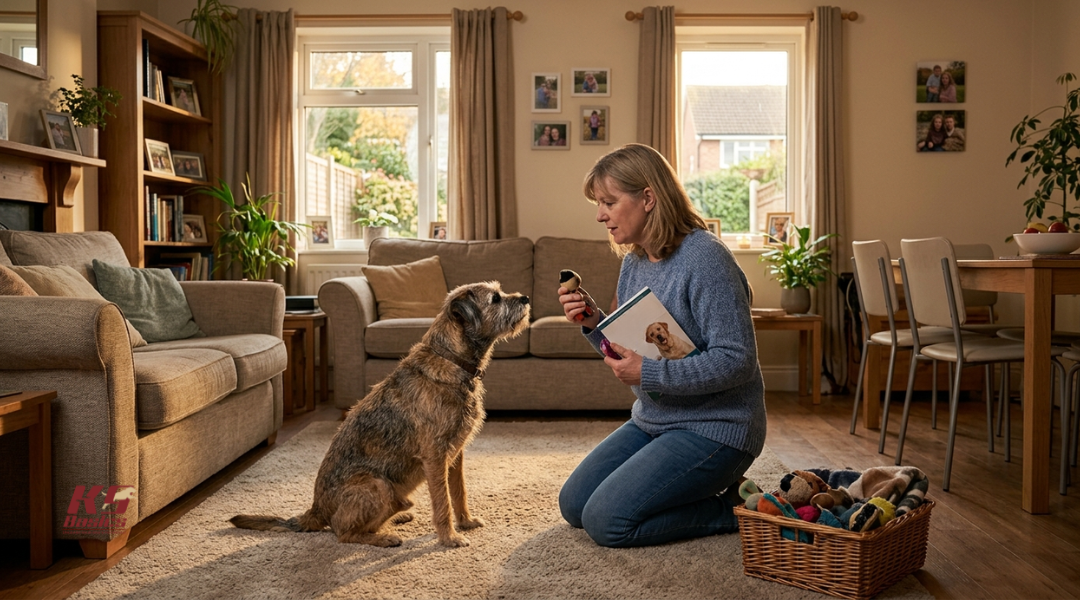

Think older dogs can’t learn? Think again. Discover the science behind training adult and senior dogs, how canine brains continue to learn throughout life, and practical ways to keep your dog mentally engaged and confident.
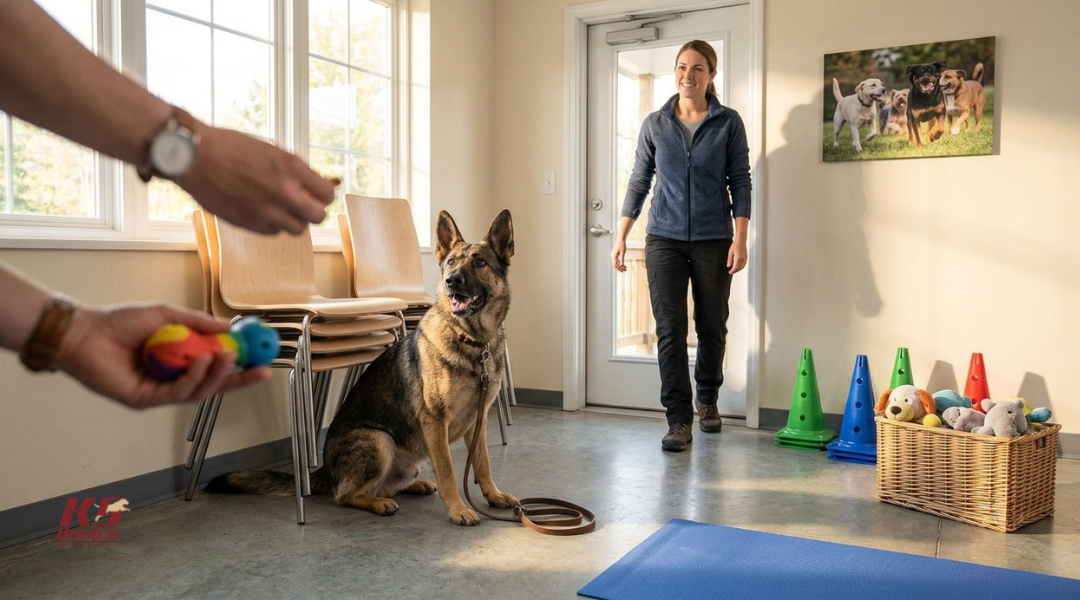
The outdated “alpha dog” theory has given way to modern dog training built on trust, communication, and consistency. Learn why positive reinforcement, clear boundaries, and confident leadership create stronger relationships and more reliable behavior.
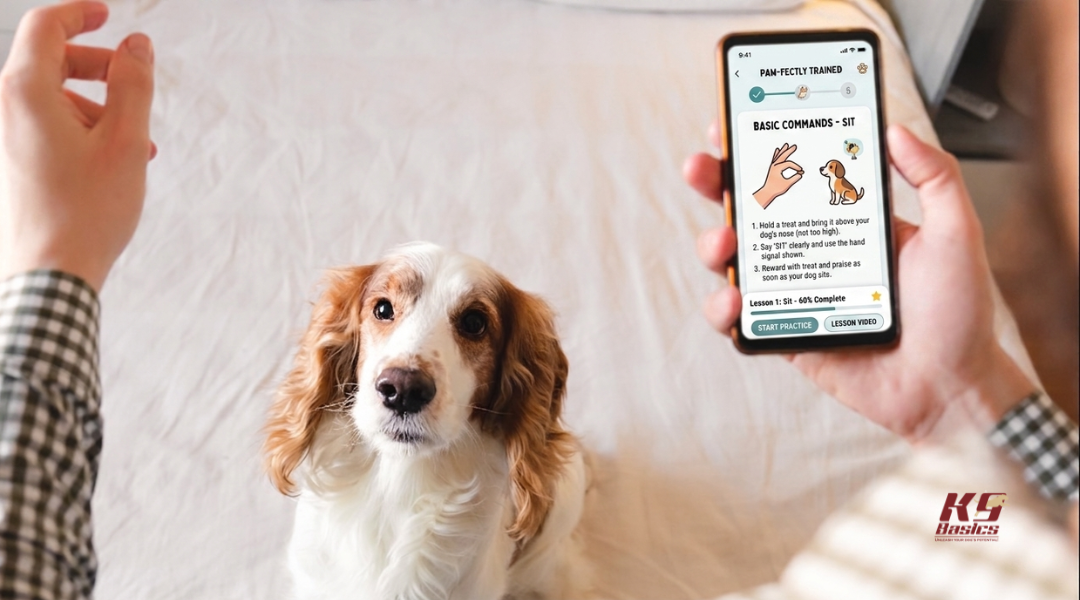
Can AI train your dog? Learn the limitations of AI dog training apps, why dogs aren’t algorithms, and how professional trainers interpret body language and behavior in real time.
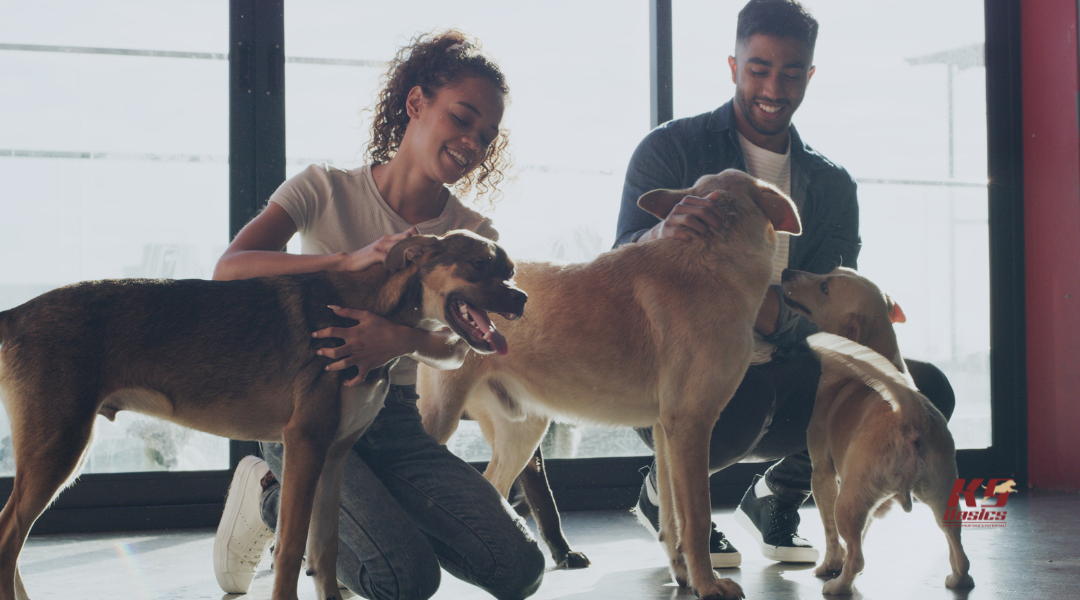
Household consistency impacts dog training success. Discover why a united front helps create reliable obedience, clearer communication, and lasting behavior change.
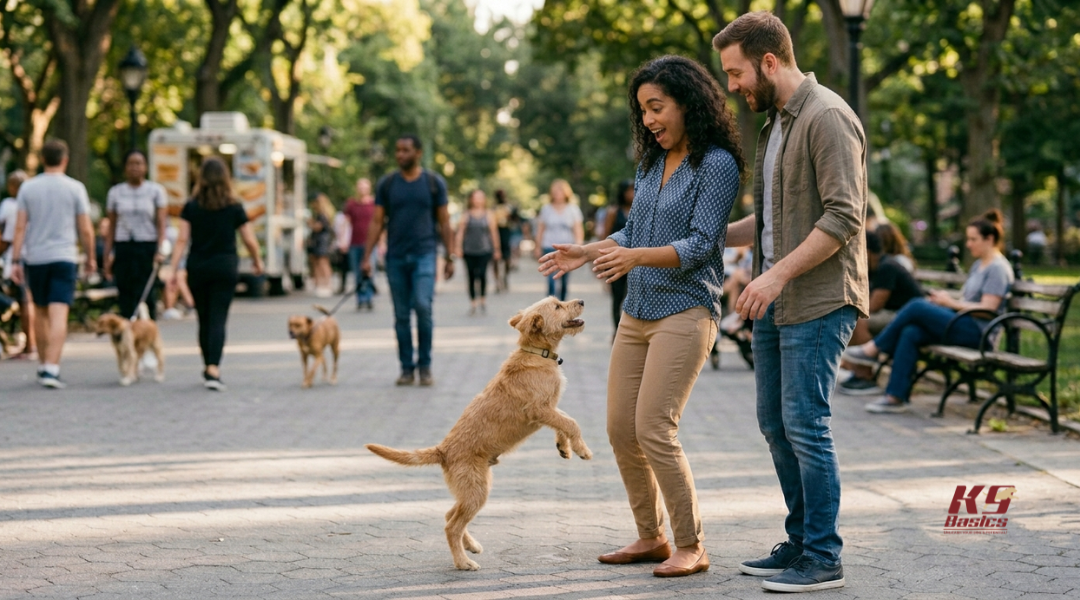
Learn whether the reverse hug technique actually works for stopping dog jumping behavior. Discover why dogs jump, when restraint helps, and how to build lasting greeting manners.
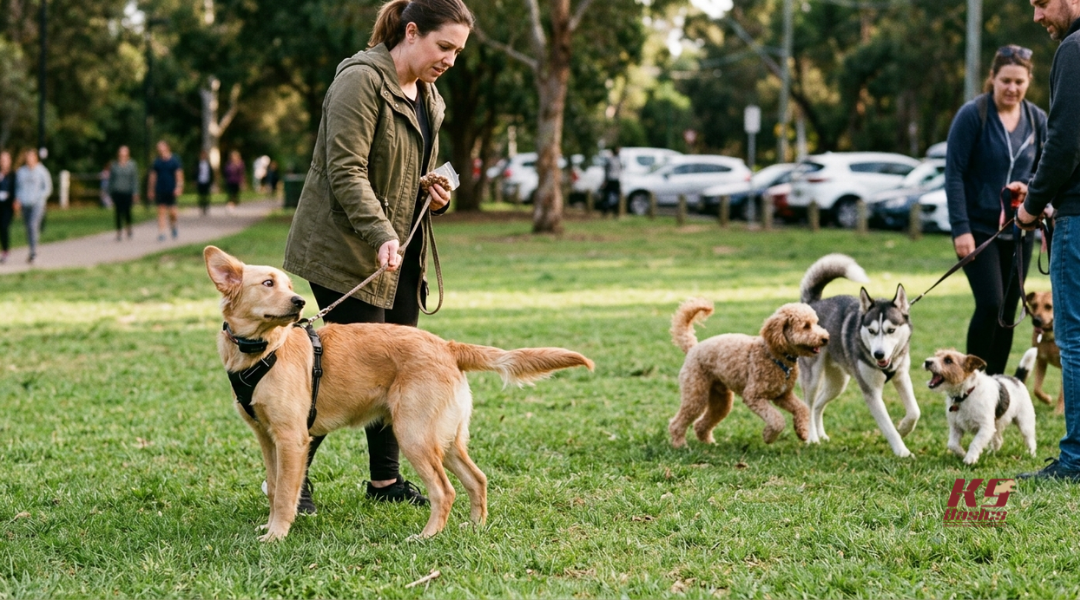
Reliable dog obedience requires more than treats. Learn how focus, structure, consistency, and real-world training help dogs stay responsive under pressure.
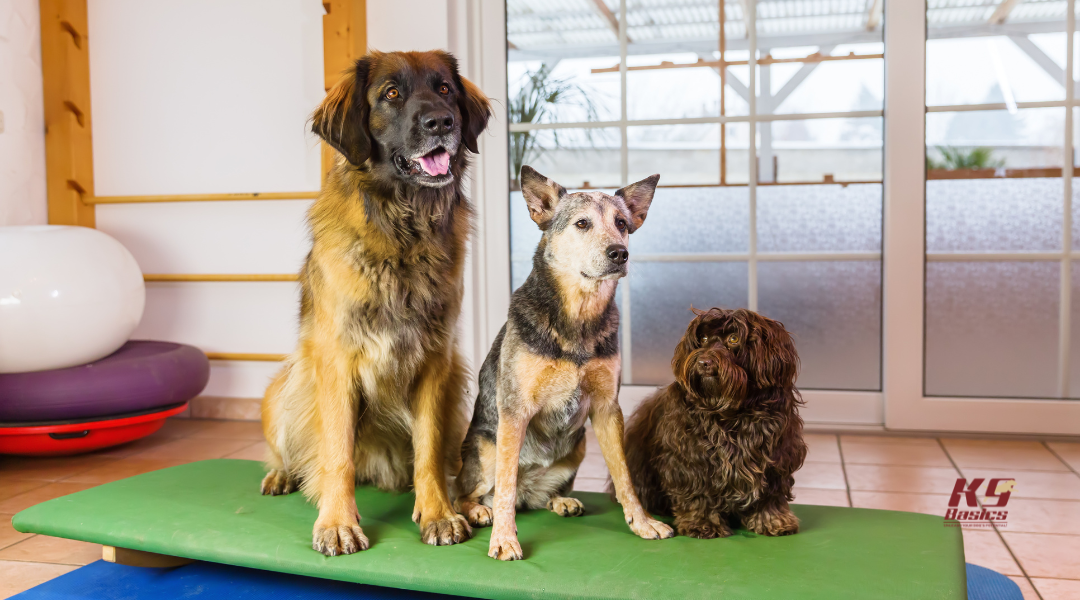
Training progress can quickly weaken when dogs enter boarding environments with inconsistent expectations. Learn why boarding where your dog trained helps maintain structure, engagement, and reliable behavior long after training ends.
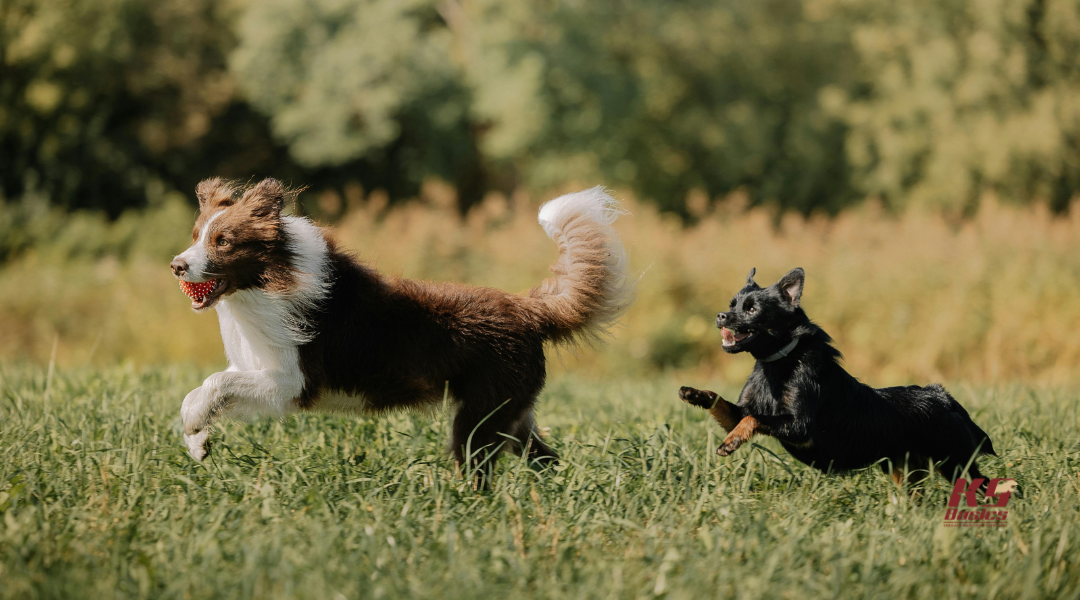
High-drive breeds like German Shepherds, Malinois, Retrievers, and Pointers often struggle in traditional boarding environments. Learn how structured boarding helps active dogs stay balanced, fulfilled, and consistent while away from home.
Does your dog seem disconnected the moment distractions appear? Learn how engagement training and the “Invisible String” theory help dogs stay mentally connected to their owners in busy real-world environments.

The Place command is more than basic obedience. Learn how teaching your dog to settle calmly in one spot can improve impulse control, reduce overstimulation, and make everyday life more enjoyable for both dogs and owners.